Birthi Falls Near Munsiyari: A Himalayan Plunge Worth Seeing
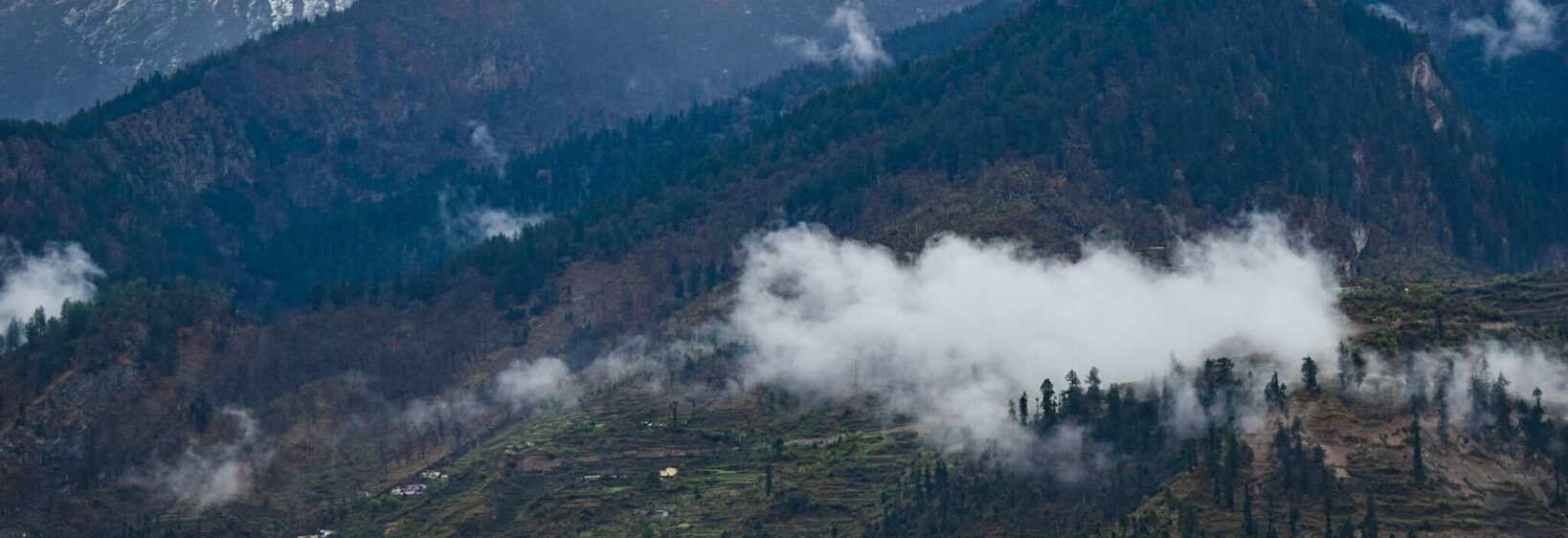
Birthi Falls is one of the most memorable natural attractions around Munsiyari in Uttarakhand’s Kumaon region. Water drops dramatically from a tall rocky cliff beside the Thal–Munsiyari road, creating a bright white ribbon against pine-covered mountain slopes.
The waterfall is close enough to reach during a day of sightseeing, yet its setting feels wonderfully remote. The sound of falling water, cool mountain air, and views of forested ridges make Birthi a rewarding stop for travellers exploring Pithoragarh district.
For wider travel inspiration, the Uttarakhand travel gallery offers a useful glimpse into the state’s landscapes, culture, temples, and hill destinations.
Where Birthi Falls Is Located
Birthi Falls lies near Birthi village, roughly 30 kilometres before Munsiyari when travelling from the Thal side. The road climbs through the dramatic landscapes of the Johar Valley, passing pine forests, small settlements, terraced hillsides, and expansive Himalayan viewpoints.
The waterfall is positioned close to the main road, so visitors do not need to undertake a demanding trek. A short walk from the roadside leads to the viewing area, where the cascade can be seen plunging down the cliff face. The exact volume of water changes with the season, but its height remains the defining feature.
The Journey From Munsiyari
The drive from Munsiyari to Birthi is part of the experience. Mountain roads wind past high ridges and deep valleys, with changing views at every bend. Travellers should allow extra time for photography because roadside viewpoints and village scenes often appear unexpectedly.
Shared jeeps and local taxis are commonly used in the region, while private vehicles offer greater flexibility. Roads can be narrow and slow, particularly during rain or after minor landslides, so daylight travel is the safer and more comfortable choice.
What Makes The Waterfall Special
Birthi Falls is often described as a cascade of around 125 metres, although descriptions may vary slightly. Its striking drop and open setting distinguish it from smaller forest waterfalls hidden deep in the hills. During the monsoon, the flow becomes fuller and more forceful, while the surrounding vegetation turns intensely green.
A small shrine and local settlement near the waterfall add cultural character to the visit. Birthi is not simply a scenic photo stop; it is part of a living mountain landscape where farming, pilgrimage routes, and traditional Kumaoni life continue alongside tourism.
Best Time To Visit
The monsoon months usually provide the most dramatic waterfall photographs, but heavy rain can affect road conditions and visibility. September to November is often a comfortable period, with clearer skies, pleasant temperatures, and lush slopes remaining after the rains.
Spring can also be attractive, especially when the hills are fresh and wildflowers begin appearing. Winters are colder, and snow may affect higher routes around Munsiyari, though the waterfall itself can still be visited when the road is open.
| Visit factor | Useful detail |
|---|---|
| Location | Near Birthi village on the Thal–Munsiyari road |
| Distance | Approximately 30 km from Munsiyari |
| Main attraction | A tall cascade dropping from a rocky cliff |
| Ideal seasons | September to November and spring |
| Monsoon benefit | Strong water flow and vivid green scenery |
| Access | Roadside stop followed by a short walk |
| Nearby base | Munsiyari for accommodation and transport |
A Simple Photography Stop
The waterfall is easy to photograph from the surrounding viewpoint, but a wide-angle lens helps include the cliff, forest, and valley together. A slower shutter speed can create a silky water effect, provided a tripod is practical and the rocks are dry enough to stand on safely.
Early morning and late afternoon generally offer softer light. Mist may gather around the cliffs after rain, adding atmosphere to images. Visitors interested in documenting a special celebration in the mountains can also explore hill wedding photography, especially in scenic Uttarakhand locations.
Visiting Respectfully And Safely
Birthi Falls is a natural site rather than a developed amusement area, so facilities may be limited. Carry drinking water, protect personal belongings from rain, and wear shoes with firm grip. Avoid climbing wet rocks or standing directly beneath unstable sections of the cliff.
Local communities keep these roads and settlements functioning, and respectful behaviour makes a real difference. Keep noise low, take rubbish back with you, and ask before photographing residents or private homes.
Practical Tips For The Day
- Start early from Munsiyari to combine the waterfall with nearby viewpoints and villages.
- Check road and weather conditions before leaving, especially during the rainy season.
- Carry a light rain jacket, water, snacks, and footwear suitable for uneven ground.
- Keep a safe distance from the plunge pool and never enter fast-moving water.
- Use local taxis or guides when road conditions and mountain driving feel unfamiliar.
Birthi Falls fits naturally into a wider Munsiyari itinerary that may include Thamri Kund, Kalamuni Temple, Nanda Devi views, and village walks. Add it to your route, carry your camera, and leave enough time to enjoy the sound and scale of this beautiful Himalayan cascade.