Hanuman Chatti: Where Yamuna Meets Hanuman Ganga
Hanuman Chatti is a peaceful mountain settlement on the route to Yamunotri in Uttarakhand’s Uttarkashi district. Here, the clear waters of the Hanuman Ganga merge with the Yamuna, creating a meaningful Himalayan confluence surrounded by forested slopes, steep ridges, and the sound of rushing streams.
For pilgrims, this place is part of the sacred Char Dham landscape. For travellers, it offers a quieter view of the Yamuna valley, away from the busiest stretches of the pilgrimage trail. The river junction, village pathways, mountain scenery, and nearby temples make it a rewarding stop for anyone exploring the Garhwal Himalayas.
The settlement also has historical importance as an older starting point for the Yamunotri trek. Although many visitors now begin the walk from Janki Chatti, Hanuman Chatti remains closely connected with the traditional route and the living culture of this high-altitude region.
The Sacred Meeting Of Two Rivers
The defining feature of Hanuman Chatti is the confluence of the Yamuna and Hanuman Ganga. The meeting of two mountain rivers gives the landscape both visual beauty and spiritual significance. In Hindu tradition, rivers are revered as living forms of divine energy, and a confluence is often considered especially auspicious.
The Hanuman Ganga descends through a narrow Himalayan valley before joining the Yamuna. Depending on the season, the water may appear pale and fast-moving during the summer melt or deeper and more forceful during the monsoon. Visitors should remain well away from slippery banks and turbulent currents.
Legends Around Hanuman Chatti
Local belief connects the name of the settlement with Lord Hanuman. One popular tradition says that Hanuman encountered Bhima in the forests of the Himalayas, testing his strength and humility. Such stories are woven into the religious geography of Uttarakhand, where rivers, caves, peaks, and villages often carry memories from the Mahabharata and the Ramayana.
A small shrine or temple visit can add depth to a journey through the area. Travellers should observe local customs, dress respectfully, and ask before taking photographs during rituals. The spiritual atmosphere is quiet and personal rather than highly commercial.
A Traditional Gateway To Yamunotri
Hanuman Chatti was once widely known as the principal base for the Yamunotri pilgrimage. The older foot route passed through rugged terrain and mountain villages before reaching the shrine dedicated to Goddess Yamuna. Today, improved road access has shifted most pilgrim activity towards Janki Chatti, from where the final trek is shorter.
The wider route commonly runs through Barkot, Sayana Chatti, Hanuman Chatti, and Janki Chatti. Road conditions, weather, and seasonal restrictions can change quickly, so current local information is important. The Uttarakhand travel stories available online can also help visitors understand the region’s destinations, customs, and photographic landscapes before setting out.
| Feature | Hanuman Chatti | Janki Chatti | Yamunotri |
|---|---|---|---|
| Main character | River confluence and traditional village stop | Modern trek base and pilgrim facilities | Sacred temple and hot springs |
| Best known for | Yamuna–Hanuman Ganga meeting | Access to the final walking route | Shrine of Goddess Yamuna |
| Travel experience | Quiet, scenic, culturally rooted | Busy during pilgrimage season | Spiritual and physically demanding |
| Ideal visit | Photography, riverside views, local exploration | Trek preparation and overnight stay | Pilgrimage and mountain scenery |
Landscape, Wildlife, And Photography
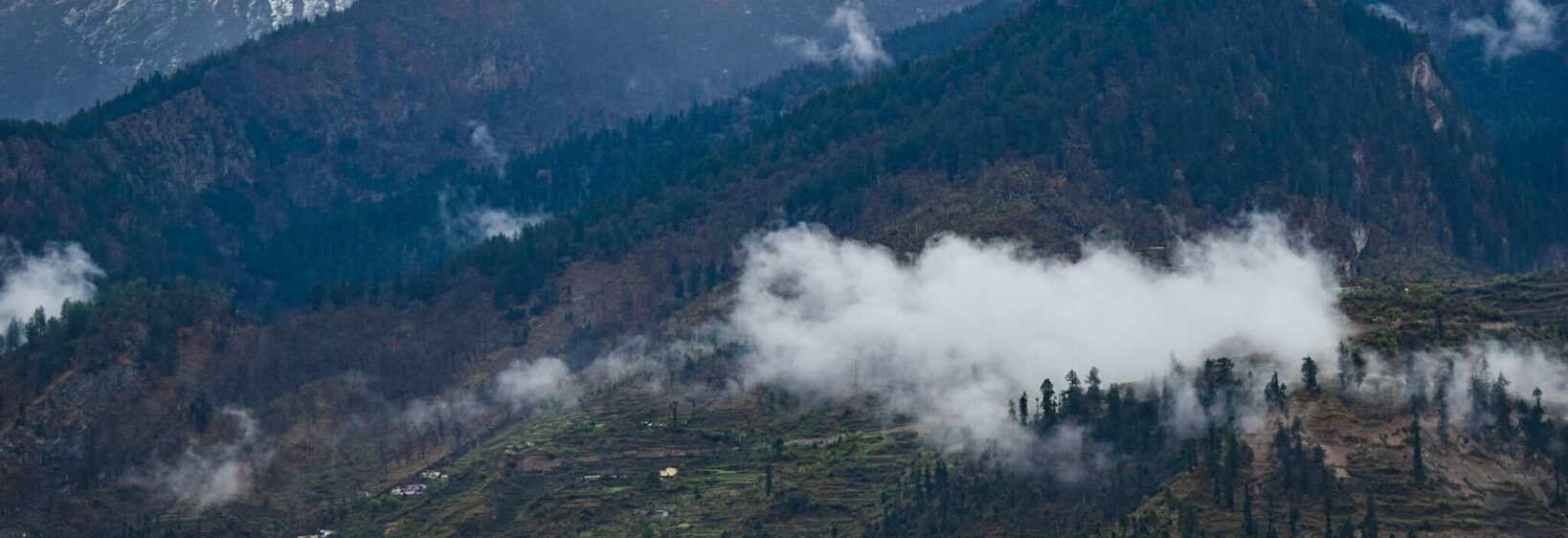
The surrounding valley combines deodar, pine, oak, and other Himalayan vegetation. In clear weather, ridgelines rise dramatically above the river corridor, while clouds often move through the slopes in the afternoon. The changing light makes the area especially attractive for landscape photography and slow travel.
Early morning is usually best for photographs, when the river surface catches soft light and the roads are less crowded. A wide-angle lens can capture the valley and confluence, while a telephoto lens is useful for distant ridges, village details, and birds. Avoid disturbing wildlife or entering restricted forest areas for a better viewpoint.
When To Visit And What To Expect
The traditional pilgrimage season generally falls between late spring and autumn, when roads and trekking routes are more accessible. May and June bring clearer travel conditions but also larger crowds. September and October often offer crisp skies and excellent mountain visibility, although temperatures fall quickly after sunset.
The monsoon months can bring landslides, swollen streams, and delays on mountain roads. Winter may cover the higher route in snow, and many services operate on a limited basis. Accommodation and food options are simpler than in major hill stations, so visitors should carry essential medicines, warm layers, water, and a power bank.
Respectful Travel In The Valley
Hanuman Chatti is best experienced at a calm pace. Spend time observing the river junction, speaking with local residents when appropriate, and learning how pilgrimage supports seasonal livelihoods. Local shops, guesthouses, guides, and transport providers form an important part of the mountain economy.
A responsible visit also means protecting the fragile environment. Carry waste back, avoid single-use plastic, do not wash clothes or use soap in the river, and keep noise low near temples and homes. The valley’s beauty depends on small, consistent choices made by every traveller.
Practical Tips For A Comfortable Visit
- Check road, weather, and pilgrimage updates before leaving Barkot or Dehradun.
- Keep sturdy walking shoes, rain protection, warm clothing, and basic medicines.
- Use local guides for unfamiliar trails, river viewpoints, or village walks.
- Photograph temples and residents only after receiving permission.
- Plan fuel, cash, accommodation, and transport in advance during peak season.
Hanuman Chatti brings together sacred geography, mountain folklore, and the raw beauty of a Himalayan river valley. Add this confluence to a Yamunotri journey, travel gently through the villages, and record the landscape with respect for the people and traditions that give the place its character.