Kausani Anashakti Ashram: Gandhi’s Himalayan Stay
High above the valleys of Kumaon, Kausani is known for quiet forests, village life, and sweeping views of the Himalayan range. Among its most meaningful landmarks is Anashakti Ashram, the simple retreat associated with Mahatma Gandhi’s stay in 1929. Learn more about A Beginner S Guide To Trekking In The Garhwal Himalayas.
Gandhi spent about two weeks in Kausani while recovering from illness. The peaceful surroundings influenced his reflections on Anashakti Yoga, a philosophy of selfless action and freedom from attachment. Today, the ashram remains a place where history, spirituality, and mountain scenery come together.
A visit here offers more than a sightseeing stop. It provides an opportunity to understand a different side of Uttarakhand—one shaped by Gandhian thought, local culture, prayer, and a slower Himalayan rhythm.
The Story Behind The Ashram
Gandhi arrived in Kausani in June 1929 and stayed at the guesthouse of the Lakshmi Ashram area, then associated with the life of the region’s social workers. The calm climate and panoramic landscape made a strong impression on him, and he described Kausani as a place of exceptional natural beauty.
During this period, he worked on his interpretation of the Bhagavad Gita’s idea of Anashakti, or detached action. The resulting reflections later became connected with his writing on Anashakti Yoga. The ashram therefore carries both a historical association and a philosophical legacy.
The site is intentionally modest. Its value lies in the atmosphere, the preserved memories, and the chance to consider how Gandhi connected inner discipline with service to society.
What Visitors Can Experience
The ashram includes a prayer room, a small museum, a library, and exhibits connected with Gandhi’s life and teachings. Photographs, written material, and personal objects help visitors understand his connection with Kausani and the wider freedom movement.
A regular prayer gathering is traditionally held in the morning and evening, though schedules can vary. Silence and respectful behavior are appreciated, especially around meditation and prayer spaces.
| Experience | What It Offers | Ideal Time |
|---|---|---|
| Himalayan viewpoint | Broad views of snow-covered peaks on clear days | Early morning |
| Gandhi museum | Photographs, writings, and historical displays | Daytime |
| Prayer hall | A quiet setting for reflection | Morning or evening |
| Ashram grounds | Peaceful gardens and mountain air | Throughout the visit |
| Local walks | Village scenery, forests, and hillside paths | Morning or late afternoon |
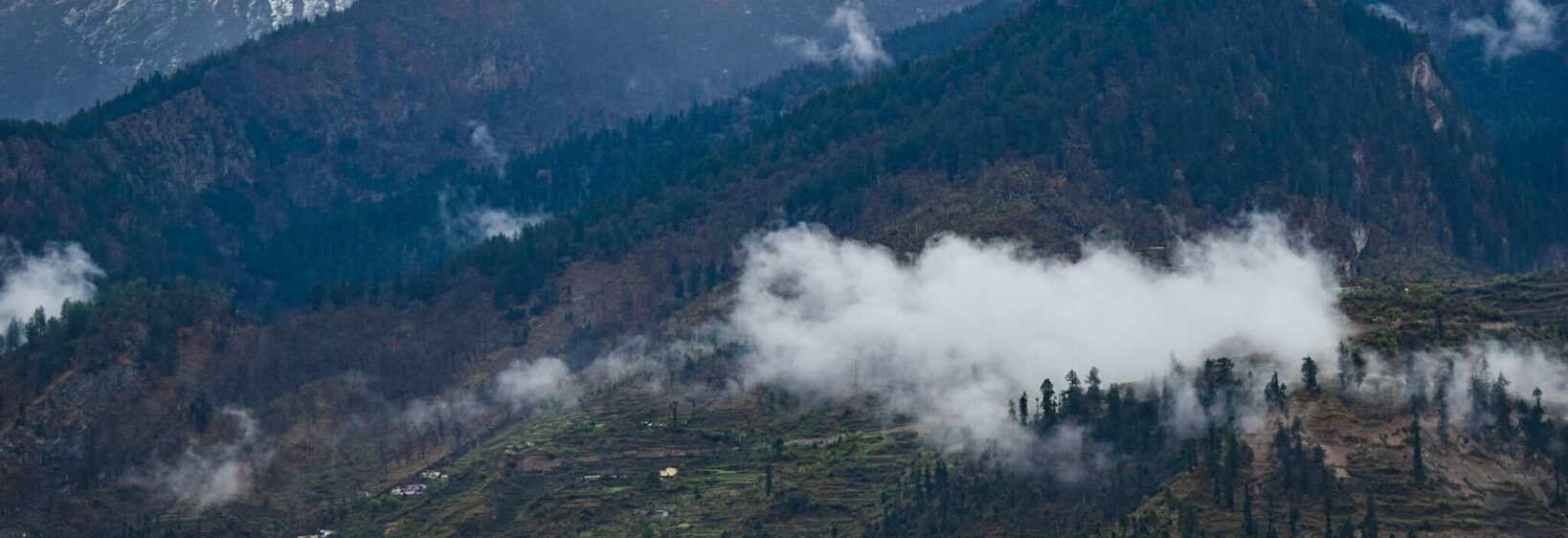
The Himalayan panorama is often the visual highlight. Nanda Devi, Trishul, and other peaks may appear sharply on clear winter mornings, while monsoon clouds create a more dramatic but less predictable view.
Getting To Kausani
Kausani is situated in Bageshwar district, approximately 1,890 metres above sea level. The nearest major railhead is Kathgodam, while Pantnagar is the closest airport with regular regional access. From either point, visitors continue by road through the hills.
The drive from Kathgodam commonly takes several hours, depending on traffic, weather, and road conditions. Almora, Ranikhet, and Bageshwar are useful places to combine with a Kausani itinerary. Shared taxis and buses are available, although private transport offers greater flexibility.
Those planning longer mountain walks can review this Garhwal trekking guide for practical preparation, footwear, weather awareness, and route planning.
Best Seasons For A Visit
October to March is generally preferred for clear mountain views, particularly after the monsoon has passed. Winter mornings can be cold, but the air is often crisp and visibility may be excellent. April to June brings pleasant daytime temperatures and fresh greenery, making it comfortable for sightseeing and village walks.
The monsoon season creates lush slopes and misty landscapes, yet heavy rain can affect road travel and obscure the peaks. Visitors should check local conditions before departing and carry warm layers even during the warmer months.
Kausani is also known for nearby attractions such as Baijnath Temple, Rudradhari Falls and Caves, and the Kausani Tea Estate. These places add cultural, spiritual, and natural variety to a short stay.
Plan A Thoughtful Visit
Anashakti Ashram is best approached as a reflective heritage site rather than a busy tourist attraction. A little planning helps preserve its peaceful character and makes the experience more rewarding.
- Arrive early for calmer surroundings and better Himalayan visibility.
- Dress modestly and follow instructions in prayer and museum areas.
- Keep voices low and avoid disturbing visitors engaged in meditation.
- Combine the ashram with Baijnath, Rudradhari, or a local village walk.
- Confirm opening hours, transport, and accommodation before travelling.
Kausani has a selection of hotels, homestays, and guesthouses, ranging from simple rooms to comfortable mountain-view properties. Staying overnight is worthwhile because sunrise and sunset often reveal different moods across the peaks.
Extending A Kumaon Journey
A visit to the Gandhi Ashram can form part of a wider Uttarakhand tour. Ranikhet offers colonial-era charm and pine forests, Almora provides old bazaars and cultural heritage, while Binsar is known for woodland trails and distant Himalayan views.
Travellers heading toward the Garhwal region may continue their journey to Rishikesh, where the Ganges, temples, yoga centres, and adventure activities create a very different atmosphere. Those interested in river experiences can use this Rishikesh rafting guide when planning the next stage.
Kausani’s enduring appeal comes from the balance between landscape and thought. Gandhi’s stay gave the hill town a lasting place in India’s cultural memory, while the surrounding villages and mountains keep the experience rooted in everyday Uttarakhand.
Set aside a quiet morning for Anashakti Ashram, listen to the local stories, and allow time to watch the Himalayan light change across the peaks. This simple visit can become one of the most memorable parts of a Kumaon journey.