Ancient Wooden Temples And The Sacred Architecture Of Jageshwar
Deep in the deodar forests of Kumaon, Jageshwar feels less like a conventional monument complex and more like a living mountain sanctuary. Stone shrines rise beneath tall trees, narrow paths connect courtyards, and the sound of bells blends with wind moving through the Himalayan forest.
The phrase “ancient wooden temples” points to an important part of Uttarakhand’s architectural heritage, although Jageshwar is principally known for its finely carved stone temples. Timber traditions shaped the region’s roofs, doors, verandas, and construction methods, while local builders combined wood with dressed stone to create structures suited to a cold, wet mountain climate.
Located about 36 kilometres from Almora, Jageshwar is associated with Shiva worship and is traditionally counted among the important Shaiva pilgrimage centres of the Himalayas. Its temple valley offers history, spirituality, photography, and a peaceful alternative to busier hill destinations.
A Valley Shaped By Deodar Forests
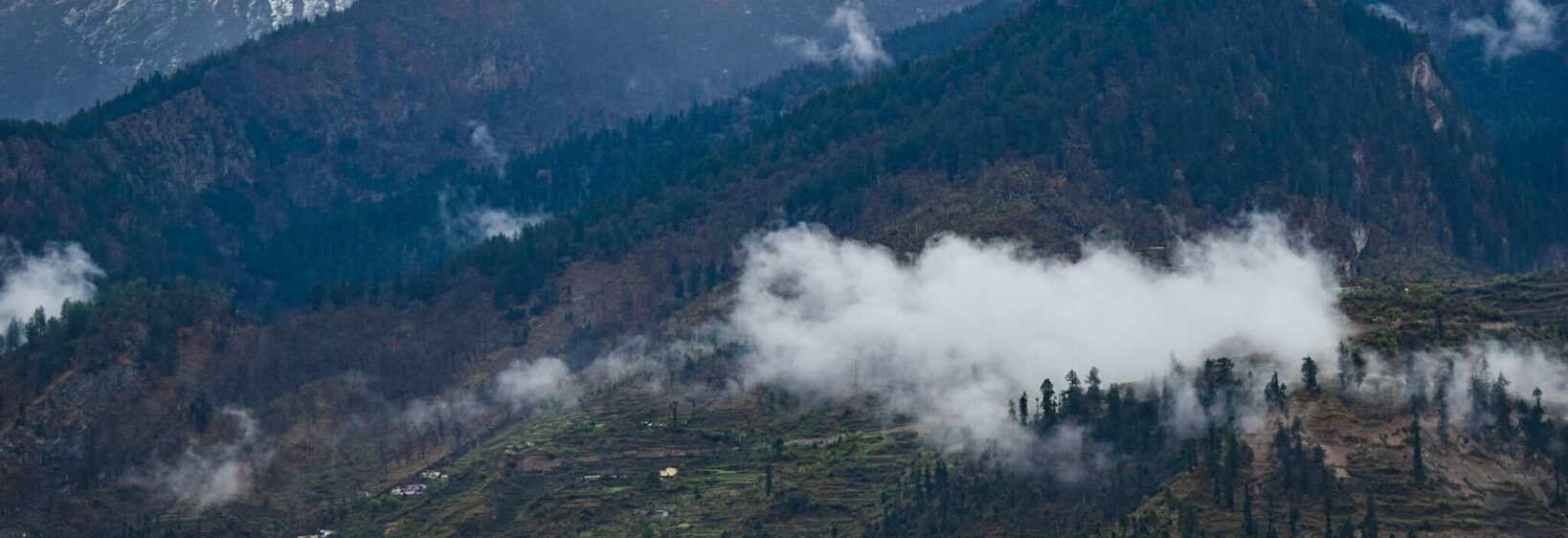
Jageshwar stands at roughly 1,870 metres above sea level in a narrow valley surrounded by deodar trees. The forest is more than a scenic background: it influenced the settlement’s religious atmosphere, supplied traditional building material, and helped protect the temples from the visual noise of modern development.
The dark green canopy creates a striking contrast with pale stone walls and sculpted towers. Early morning mist often settles around the shrines, while afternoon light reveals details in the carvings. Visitors interested in Himalayan landscapes can also explore nearby routes around Almora, Kumaon villages, and forested mountain roads.
Stone Masonry With A Timber Heritage
Jageshwar’s principal temples are built mainly from carefully fitted stone blocks. Their tall, curving towers, known as shikharas, display the influence of northern Indian temple architecture. The masonry has survived centuries of snowfall, monsoon moisture, and seismic activity because the stones were assembled with skill and an understanding of the local terrain.
Wood remains essential to understanding Himalayan temple design. Traditional builders used timber for doors, beams, roof supports, balconies, and protective extensions. Carved wooden entrances often carried floral motifs, guardian figures, or religious symbols. In nearby mountain settlements, the related Kath-Kuni tradition used alternating layers of stone and wood, demonstrating how regional architecture responded to earthquakes and changing weather.
The Main Shrines Of Jageshwar
The Jageshwar Mahadev Temple is the spiritual centre of the complex and is dedicated to Shiva. Its calm courtyard, stone tower, and decorated entrance draw pilgrims throughout the year. Nearby, the Dandeshwar Temple is one of the largest shrines in the valley, with a powerful, simple form that reflects the solemn character of early Himalayan temple building.
The Mrityunjaya Temple is associated with prayers for healing and long life. Other shrines honour figures and forms connected with the Shaiva tradition, including Surya, Navadurga, and Kuber. Together, the cluster shows how temple valleys developed as complete sacred landscapes rather than as isolated buildings.
| Architectural feature | What visitors can observe | Why it matters |
|---|---|---|
| Stone shikhara towers | Vertical, tapered temple roofs | Shows northern Himalayan temple influence |
| Carved doorways | Floral patterns and sacred figures | Combines religious symbolism with craftsmanship |
| Timber elements | Doors, beams, roof supports, and details | Reflects local mountain building traditions |
| Temple courtyards | Shrines grouped around shared spaces | Supports ritual movement and community worship |
| Deodar setting | Forest surrounding the monuments | Connects architecture with the sacred landscape |
Craftsmanship In Doorways And Carvings
The entrances deserve close attention. Unlike broad, open temple gateways found in many plains regions, Himalayan temple doors often feel compact and protective. Their carved surfaces reveal the patience of local artisans, with layered borders, divine figures, and geometric details arranged within a limited wooden or stone frame.
Look closely at lintels, threshold stones, and smaller shrines rather than viewing only the tallest towers. Weathering has softened some details, yet this ageing gives the complex its character. Photography is especially rewarding after rainfall, when the stone appears darker and the deodar forest becomes richly textured.
Rituals, Festivals, And Local Belief
Jageshwar remains an active place of worship, not simply an archaeological site. Devotees offer flowers, lamps, and water to Shiva, while priests continue daily rituals inside the temples. The annual Jageshwar Monsoon Festival brings cultural performances, religious observances, and visitors from different parts of Uttarakhand.
The larger Shivratri period is also significant, with the valley becoming busier as pilgrims arrive. Respectful clothing, quiet behaviour, and care around ritual areas are important. Some inner sanctums may restrict photography, so visitors should follow instructions from temple staff.
Planning A Visit Through Kumaon
Jageshwar can be reached by road from Almora, with taxis and shared vehicles commonly available. The best seasons are spring, early summer, and autumn, when skies are generally clearer and forest walks are comfortable. The monsoon creates dramatic greenery but can bring slippery roads and travel delays.
Travellers extending their Uttarakhand journey may combine Jageshwar with Ranikhet, Binsar, Pithoragarh, or other Kumaon destinations. Those planning a broader mountain itinerary can use practical guidance on trekking the Valley of Flowers for packing ideas, even though that route lies in a different part of the state.
A short visit is enough to see the central shrines, but staying nearby allows time for forest walks and quieter photography. Consider these simple recommendations:
- Arrive early for softer light, fewer crowds, and a more peaceful temple experience.
- Wear sturdy shoes because paths can be uneven, damp, or covered with pine and deodar debris.
- Carry a light rain layer, especially during the monsoon and shoulder seasons.
- Ask before photographing priests, worshippers, or restricted interiors.
- Combine the temple visit with local food, village scenery, and nearby Kumaon attractions.
For travellers who prefer a riverside stop before or after exploring the hills, this guide to Rishikesh riverside campsites offers ideas for adding outdoor experiences to a Uttarakhand itinerary.
Walk slowly through Jageshwar, notice the meeting of timber tradition and stone craftsmanship, and allow time for the forest to become part of the experience. Add this ancient temple valley to your Kumaon travel plans and preserve its atmosphere through thoughtful photographs and respectful exploration.