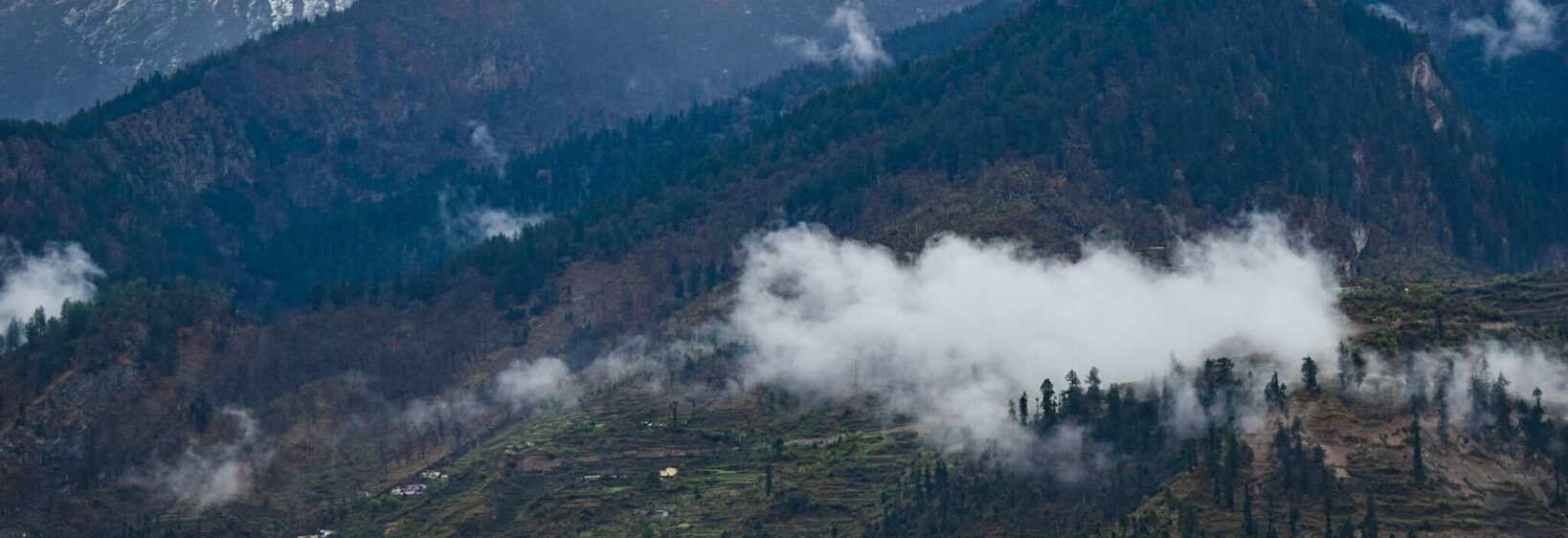
The Quiet Sacred Grove Near Haldwani
Away from Haldwani’s busy markets and the popular routes to Nainital, a quieter spiritual landscape invites travellers to slow down. The Naimisharanya Forest is associated with prayer, woodland walks, local belief, and the simple rhythm of a Kumaoni pilgrimage.
This lesser-known religious destination is best approached as a cultural visit rather than a checklist attraction. Its importance lies in the atmosphere: shaded paths, small shrines, ringing bells, and the presence of devotees who come for peace rather than publicity.
For visitors exploring Kumaon, the site can add a meaningful rural experience to a journey through Haldwani, Kathgodam, Bhowali, or nearby hill settlements. Exact access conditions and local names may vary, so asking residents or temple caretakers for current directions is wise.
A Sacred Landscape With Local Memory
The name Naimisharanya refers to an ancient forest of Hindu tradition, traditionally connected with sages, scripture recitation, and sacred meditation. The Uttarakhand site near Haldwani is understood through this wider religious memory, while its living traditions are shaped by local worshippers and the surrounding Kumaoni community.
The setting encourages a slower kind of pilgrimage. Visitors may find a modest shrine, forested surroundings, ritual activity, and places where people sit quietly. Its appeal is not grand architecture, but the feeling of stepping away from traffic and commercial tourism.
What Visitors Can Expect
A visit usually combines a short road journey with time spent walking, praying, observing, and photographing the natural surroundings. Facilities may be limited compared with established pilgrimage centres, particularly on quieter days, so carry drinking water, basic medicines, and modest snacks.
Dress respectfully, keep voices low near prayer spaces, and ask before photographing worshippers or ceremonies. Mobile connectivity, parking, and public transport may not be consistent throughout the route. Local guidance is especially valuable during festivals, monsoon weather, or road repairs.
Best Time For A Forest Pilgrimage
The most comfortable periods are generally spring, early summer, and autumn, when roads are more pleasant and the forest landscape is inviting. Spring brings fresh foliage and blossoms across the hills; travellers planning a wider Kumaon circuit can also consult this guide to rhododendron walks for seasonal ideas.
The monsoon can make paths slippery and increase the possibility of delays, while winter mornings may be cold and quiet. Early daylight is ideal for photography and meditation, though visitors should avoid entering secluded forest areas alone or after sunset.
| Aspect | What To Know |
|---|---|
| Experience | Quiet worship, forest scenery, and local spiritual traditions |
| Ideal visit | A few unhurried hours rather than a rushed stop |
| Best seasons | Spring, early summer, and autumn |
| Useful supplies | Water, snacks, medicines, modest clothing, and cash |
| Photography | Ask permission around shrines, rituals, and residents |
| Planning | Confirm local access and road conditions before departure |
Combining It With A Kumaon Itinerary
Naimisharanya can fit naturally into a broader Haldwani-area journey. Visitors arriving by train or road may use Haldwani or Kathgodam as a practical base, then continue towards nearby cultural and natural attractions. The exact route should be checked locally because small roads and approach tracks can change with weather.
Photography enthusiasts may enjoy pairing the spiritual visit with a landscape-focused stop in the hills. The calm observation required here is similar to the approach described in a Ranikhet morning, where changing light, open views, and quiet surroundings become part of the experience.
Responsible Travel Around The Shrine
The forest is more than a backdrop for photographs. It is a living religious and ecological space, so visitors should avoid loud music, littering, damage to plants, and the use of drones without clear permission. Plastic offerings and disposable containers should be carried back or placed only where local arrangements allow.
Support nearby communities by using local transport, purchasing simple refreshments from residents, and hiring a local guide when the route is unfamiliar. A respectful traveller leaves the place as calm and clean as it was found.
A Simple Way To Prepare
A thoughtful visit becomes easier with a little preparation:
- Confirm the location, road condition, and opening arrangements with local residents or temple caretakers.
- Carry water, sun protection, comfortable walking shoes, and a light layer for changing hill weather.
- Keep a small amount of cash for offerings, transport, or locally purchased food.
- Ask before taking portraits, recording rituals, or photographing private ceremonies.
- Plan to return before dark, especially if travelling on an unfamiliar forest road.
The Naimisharanya Forest offers a gentle alternative to crowded Uttarakhand attractions. Add it to a Haldwani or Kumaon itinerary, travel with patience, and allow enough time for the silence, stories, and landscape to reveal themselves.