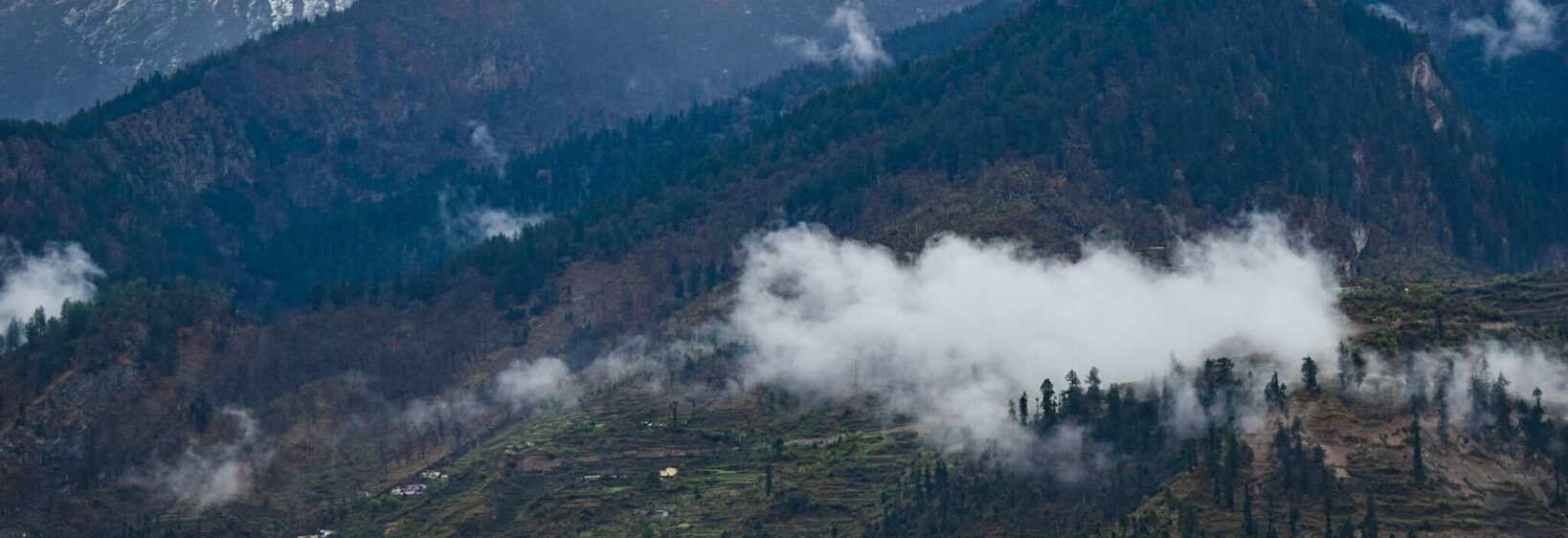
A Photo Journey Through Joshimath’s Market Potholes
Joshimath is often presented through grand mountain views, ancient shrines, busy pilgrim routes, and snow-covered peaks. Yet the town’s character also appears in smaller, less polished details. Along the market roads, potholes collect rainwater, reflect shop signs, and reveal how daily life continues around uneven streets.
A camera can turn these ordinary roadside features into a visual record of place. A tyre track, a broken edge, or a puddle beside a vegetable stall may say something about monsoon weather, traffic, maintenance, and the rhythm of a Himalayan town.
This photo walk is less about judging the market and more about observing it carefully. It brings together street photography, local travel notes, and practical advice for anyone exploring Joshimath with a camera.
Reading The Market Road
The market area is a layered scene where pedestrians, motorcycles, delivery vehicles, shopkeepers, and pilgrims share limited space. Potholes become part of that movement. People step around them, drivers slow down, and shop entrances often develop their own informal pathways.
Photographs work best when they include this human scale. A wide frame can show the road’s condition within the busy commercial setting, while a closer image may focus on water ripples, exposed stones, or the contrast between painted storefronts and worn asphalt.
Early morning offers softer light and lighter traffic. After rainfall, the road surface becomes especially expressive, reflecting umbrellas, hanging merchandise, and the muted colors of the surrounding hills.
Details Worth Framing
The most memorable images may come from unexpected angles. A low viewpoint can place a puddle in the foreground and capture the market reflected upside down. A vertical composition can connect a pothole at street level with balconies, signboards, and steep mountain slopes above it.
Texture is another strong subject. Loose gravel, cracked tar, mud, moss, and tyre marks create patterns that reward close observation. These details can be paired with wider photographs to build a visual story rather than a collection of unrelated snapshots.
While documenting the area, avoid blocking shop entrances or photographing people closely without permission. The market is a working environment, and respectful street photography produces stronger relationships as well as better images. Travelers looking for more visual stories from the region can browse Uttarakhand travel stories for additional destination ideas.
Light, Weather, And Reflection
Rain changes the personality of Joshimath’s streets. Cloud cover softens harsh shadows, while wet surfaces deepen colors and create natural mirrors. A pothole filled with clear water may reflect electrical wires, awnings, or a patch of pale sky, giving an otherwise damaged surface an almost abstract quality.
Overcast conditions are useful for photographing details because they reduce glare. If sunlight appears after a shower, work quickly: reflections may disappear as vehicles pass through the water or as the surface begins to dry.
A phone camera can handle this kind of walk well. Tap to focus on the reflection or textured edge, lower exposure slightly when bright water dominates the frame, and wipe the lens frequently. A small cloth is more useful here than heavy equipment.
A Visual Comparison Of Scenes
| Scene | Best Time | Useful Composition | Story It Can Suggest |
|---|---|---|---|
| Puddle beside a shop | Soon after rain | Low angle with reflection | Weather and commerce sharing one space |
| Broken road edge | Soft morning light | Close-up with leading lines | Wear, repair, and daily use |
| Vehicles crossing water | Active market hours | Wider frame with motion | Traffic adapting to uneven streets |
| Empty stretch before opening | Early morning | Symmetrical or centered frame | Quiet preparation before the day begins |
| Footsteps around a pothole | After rainfall | Cropped ground-level view | How residents navigate the road |
A sequence becomes more effective when each image has a different distance or viewpoint. Begin with a broad market scene, move toward pavement details, include one human-scale moment, and finish with a frame that reconnects the road to Joshimath’s mountain setting.
Captions can add useful context without becoming overly critical. Record the approximate location, weather, time, and any visible activity. These notes help turn a casual photo walk into a small archive of local streets.
Photographing With Care
Potholes can be visually compelling, but they are also hazards. Keep away from moving vehicles, avoid standing in the roadway for a better angle, and check the depth of water before stepping closer. Slippery stones and uneven shoulders are common after rain.
A respectful approach is especially important in a pilgrimage and trading town. Do not treat residents as background decoration, and be careful around religious processions, private conversations, and shop workers. Ask before making a portrait, particularly when children are present.
A simple walking kit is enough:
- A weather-sealed phone or camera, if available
- A microfiber cloth for rain and road spray
- Comfortable shoes with reliable grip
- A small power bank for long photo walks
- Notes recording location, time, and weather
Turning Roadside Images Into A Story
The strongest photo essay will connect the potholes with the life around them. Pair a close-up of cracked asphalt with a shopkeeper arranging goods, a wide road scene with distant ridges, or a rain-filled hollow with a passing pilgrim’s umbrella. The contrast gives the images context and prevents the subject from feeling repetitive.
Editing should preserve the atmosphere of the place. Moderate contrast can reveal texture, but excessive saturation may make mud and painted signs look unnatural. Keep some frames quiet and imperfect; their documentary quality is part of the story.
A walk through Joshimath’s market area can reveal how a town is shaped by weather, movement, commerce, and mountain geography. Photograph slowly, observe generously, and let these overlooked road surfaces become an honest visual record of everyday Uttarakhand. Share the finished photo sequence with local travel communities and preserve the captions so the images remain meaningful beyond the day they were taken.