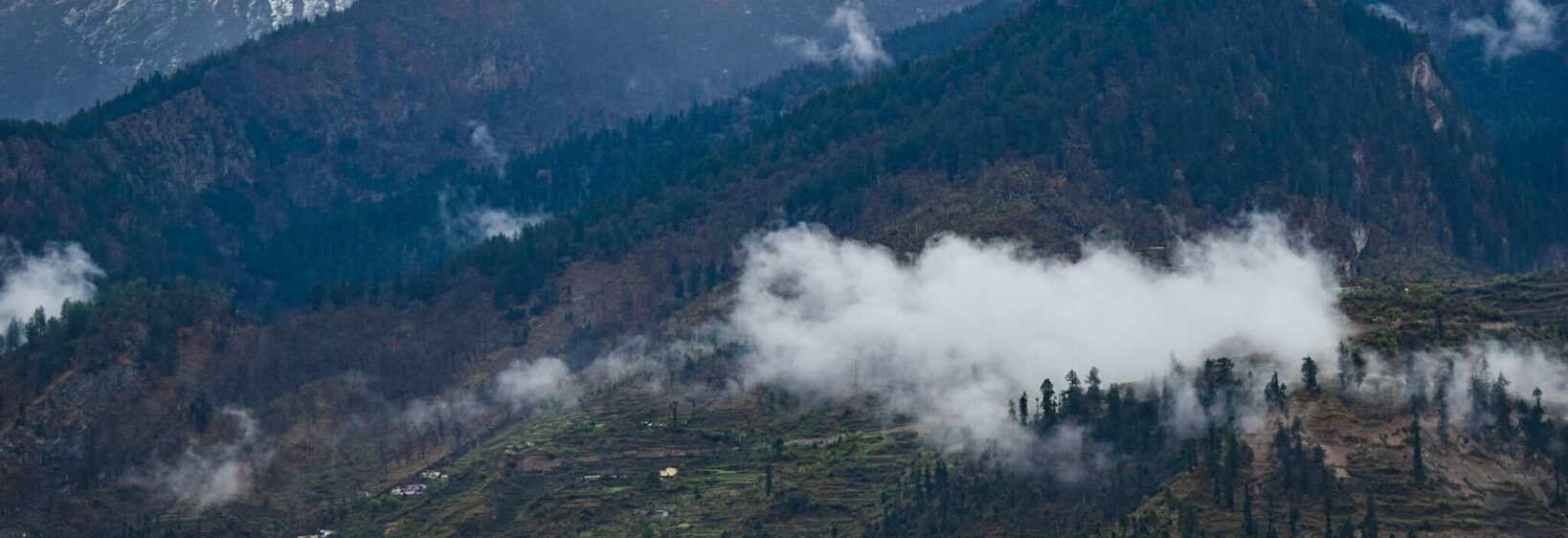
Kausani Tea Gardens: A Panorama of Himalayan Peaks
Kausani is a peaceful hill destination in Uttarakhand where terraced slopes, cedar forests, village paths, and distant snow peaks create an unforgettable Himalayan landscape. The tea gardens add a distinctive character to this mountain retreat, combining scenic beauty with a living tradition of local cultivation.
Spread across the hills near Kausani, the tea estate offers a slower experience than the town’s busy viewpoints. Visitors can walk among neatly arranged tea bushes, learn about the production process, and enjoy the changing colours of the landscape as sunlight moves across the valleys.
For wider coverage of Uttarakhand’s destinations, culture, and photo-worthy locations, explore these Uttarakhand travel stories before planning a mountain holiday.
Where The Tea Gardens Are Located
The tea-growing area lies around Kausani in Bageshwar district, with access generally connected to the Kausani-Baijnath road. The journey passes through forested hills and rural settlements, making the drive part of the attraction. Small farms, stone houses, and terraced fields reveal the everyday rhythm of Kumaoni life.
Kausani stands at an elevation of roughly 1,890 metres, giving the region a cool climate suited to tea cultivation. The gardens are not an enormous commercial plantation; their appeal comes from their intimate scale, fresh mountain air, and setting among the middle Himalayan ranges.
A View Across The Himalayan Ranges
The most memorable feature of the gardens is the broad mountain panorama. On a clear morning, the snowy summits of Trishul, Nanda Devi, and Nanda Kot may appear along the horizon. Their visibility changes with the season, cloud cover, and haze, so early mornings usually offer the best chance of seeing distant peaks.
The view is especially atmospheric at sunrise and sunset. Golden light touches the tea rows, oak forests, and valley contours, while the snow line gradually shifts from pale blue to rose and orange. A simple walk through the estate can therefore become a rewarding landscape photography experience.
Tea, Soil, And Local Work
Tea bushes thrive in the region’s cool conditions, sloping terrain, and well-drained soil. The leaves are carefully plucked and processed in limited quantities, giving visitors an opportunity to understand how a mountain tea estate differs from a large industrial plantation.
The gardens also reflect the importance of small-scale agriculture in Uttarakhand. Local employment, seasonal work, and rural tourism can support village communities when visitors purchase regional tea responsibly and respect the working environment. A guided visit is preferable when available, especially during plucking or processing periods.
| Experience | Best Time | What To Expect |
|---|---|---|
| Tea garden walk | March to June | Green slopes, mild weather, and clear trails |
| Himalayan photography | October to April | Better visibility of snow-covered peaks |
| Tea tasting | During estate hours | Local flavours and insight into processing |
| Village sightseeing | Throughout the year | Kumaoni homes, farms, and quiet mountain roads |
Best Time To Visit
Spring and early summer bring fresh greenery, comfortable daytime temperatures, and pleasant conditions for walking. The tea landscape looks particularly vibrant after the winter months, while the surrounding forests provide shade during the afternoon.
Autumn and winter are often preferred by photographers because the air can be clearer and the snow peaks more sharply defined. Monsoon brings lush vegetation, but rain may obscure the mountains and make narrow roads slippery. Visitors should check local weather and road conditions before travelling.
Photography And Quiet Exploration
A wide-angle lens is useful for capturing the relationship between the tea terraces and the Himalayan skyline, while a telephoto lens can isolate distant peaks. Close-up images of tea leaves, workers’ hands, dew, baskets, and textured pathways add a human and seasonal dimension to a photo collection.
The estate rewards patience more than hurried sightseeing. Walk slowly, avoid stepping into planted rows without permission, and keep voices low near working areas. Soft morning light, drifting mist, and changing cloud formations often create stronger images than a perfectly clear sky.
Nearby Places To Include
Kausani can easily form part of a wider Kumaon itinerary. The Anashakti Ashram offers a peaceful viewpoint and a connection with Mahatma Gandhi’s stay in the town, while the Kausani Viewpoint is popular for sunrise and sunset scenes. Baijnath’s historic temple complex is another worthwhile excursion.
Travellers with additional time can visit Ranikhet, Almora, or the quieter villages around Bageshwar. Local markets are good places to find woollens, herbs, honey, and regional tea, although visitors should choose authentic products and avoid bargaining aggressively with small producers.
Travel Tips For A Responsible Visit
- Carry a light jacket, comfortable walking shoes, sunscreen, and water.
- Visit during daylight and confirm estate access before arriving.
- Ask permission before photographing workers, homes, or private land.
- Buy locally produced tea and carry reusable bags to reduce waste.
The Kausani tea gardens offer more than a scenic stop: they bring together Himalayan views, Kumaoni agriculture, photography, and the calm pace of village life. Add the estate to a carefully planned Uttarakhand journey, take time to watch the peaks change with the light, and leave with photographs that reflect both the landscape and the people who care for it.