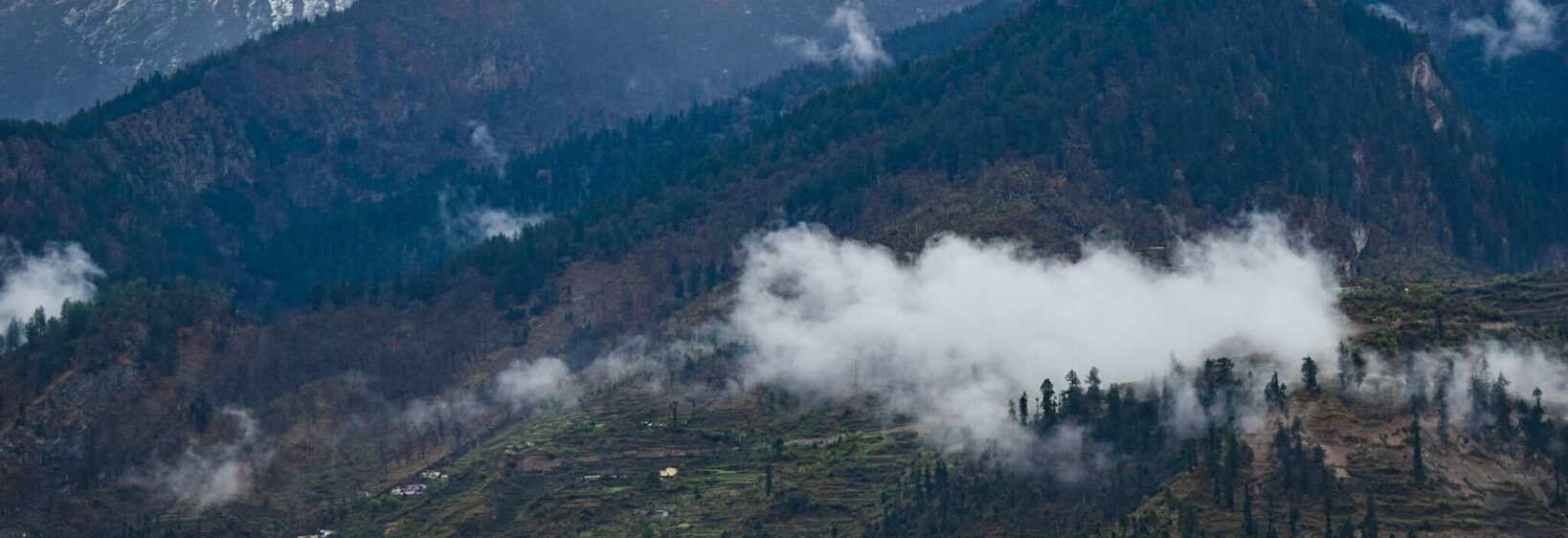
Photographing The Rudraprayag Sangam
The meeting point of the Alaknanda and Mandakini rivers is one of Uttarakhand’s most atmospheric landscapes. At Rudraprayag, two distinct watercourses merge beneath steep mountain slopes, creating changing patterns of colour, texture, sound, and light.
A strong photograph here depends on more than a wide view. The best images show the character of the confluence: swirling currents, riverside temples, stone steps, distant ridges, and the quiet movement of local life. A little planning will help you work safely and creatively.
For more visual travel inspiration from the region, browse UK Photos Gallery before your journey. Studying local landscapes can help you decide whether your own visit calls for dramatic panoramas, intimate details, or a documentary-style photo walk.
Read The Light Before You Shoot
Early morning is often the most rewarding time for photography at the sangam. Soft sunlight gradually reaches the surrounding hills, while the lower contrast makes it easier to retain detail in both the river and the sky. Mist, when present, can add depth without overwhelming the scene.
Late afternoon brings warmer tones to the temples, bridges, and rocky banks. Watch how the light changes across the water before settling on a composition. Harsh midday sunshine can still work for abstract images of ripples and reflections, but it is less forgiving for portraits and broad landscape frames.
Choose A Viewpoint With Depth
A wide-angle lens is useful for including both rivers and the surrounding valley, but avoid placing every important element along the horizon. Use foreground rocks, steps, railings, or temple architecture to create layers that lead the eye towards the meeting point.
A standard zoom lens is often more versatile than an ultra-wide lens. It allows you to isolate a bridge, a shrine, a river bend, or a small group of pilgrims without losing the broader sense of place. Look for natural frames between trees, walls, and buildings to make familiar views feel personal.
Capture Water In More Than One Way
Fast shutter speeds can freeze the lively movement where the rivers meet. This approach works well for crisp images of splashes, foam, and eddies, especially when the water is bright under angled sunlight. Increase your shutter speed and adjust ISO when the scene becomes darker.
For a softer interpretation, use a tripod and a slower shutter speed. A neutral-density filter may be helpful during bright conditions, though it should never distract you from safe positioning. Keep the camera securely away from unstable edges, and avoid stepping onto wet rocks for the sake of a more dramatic frame.
| Visual Element | Useful Approach | Result |
|---|---|---|
| Confluence currents | Fast shutter speed | Crisp movement and visible patterns |
| Smooth river surface | Tripod and slow exposure | Calm, flowing texture |
| Temple or shrine | Warm side light | Strong colour and atmosphere |
| Mountain background | Smaller aperture | Broad scene with clear detail |
| Pilgrims and local life | Respectful distance | Natural documentary images |
Include Culture Without Taking Over
Rudraprayag is more than a scenic viewpoint. Temples, bells, prayer activity, painted signs, and riverside rituals provide important context. Photograph these details carefully, giving people space and asking permission before making close portraits.
Try to avoid staging religious activity or blocking paths while composing a frame. A quiet image of folded hands, flowers near the water, or a weathered temple surface can communicate the spirit of the place without turning the scene into a performance.
Work With The Mountain Atmosphere
Clouds and changing weather can transform the confluence within minutes. Monsoon conditions may produce powerful water movement and rich green slopes, but they can also bring slippery paths, reduced visibility, and sudden rises in river levels. Winter mornings offer clearer air, while summer can create strong shadows and bright reflections.
Carry lens cloths, a rain cover, spare batteries, and sealed pouches for memory cards. Keep equipment protected from spray and dust, and check local conditions before walking near the riverbank. A compact camera or phone can be preferable when the route is crowded or the weather is uncertain.
Build A Personal Photo Sequence
A complete photo story should move beyond one postcard-style panorama. Begin with an establishing image of the valley, then photograph the separate rivers, the point where they merge, nearby architecture, and small details that reveal scale. A person walking along the steps or a boat-shaped shadow can help viewers understand the size of the landscape.
Vary your orientation as well. Vertical frames suit the steep hills and temple towers, while horizontal compositions describe the breadth of the valley. If your Uttarakhand journey includes historic locations, the visual approach used in a Vijaypur Fort guide can also inspire you to combine landscape, architecture, and local history.
A Practical Checklist For The Riverbank
- Pack a wide or standard zoom lens, a lens cloth, spare batteries, and weather protection.
- Reach the viewpoint early and observe the light before choosing a final composition.
- Use a tripod only where it does not obstruct pilgrims, pedestrians, or narrow paths.
- Ask permission for close portraits and treat worshippers, shrines, and rituals respectfully.
- Keep a safe distance from the water, especially during rain or high-flow seasons.
The Rudraprayag sangam rewards patience. Spend time watching the currents, listening to the river, and noticing how people use the space before pressing the shutter. With thoughtful framing and responsible travel, your photographs can preserve both the grandeur of the confluence and the living culture around it.
Pack lightly, protect your equipment, and plan a slow photo walk through Rudraprayag so the final gallery reflects the place with accuracy, respect, and a strong sense of atmosphere.