A photographer’s guide to the Dechling soapstone factory in Kumaon
Dechling’s soapstone workshop offers a different view of Kumaon. Rather than photographing only Himalayan peaks, visitors can focus on the hands, tools, textures and working routines behind a traditional local craft. The pale stone, known locally for its smooth finish and heat-resistant qualities, creates a quiet visual story shaped by geology and village life.
For travellers arriving from Australia, the visit can fit naturally into a wider Uttarakhand itinerary. It suits anyone interested in documentary photography, responsible tourism, regional industries and the relationship between mountain communities and their natural resources.
Understanding the workshop and its setting
Soapstone is a soft metamorphic rock that can be cut, carved and polished into household objects, decorative pieces and religious items. At Dechling, the most meaningful images often come from the production process: rough blocks, chalky dust, hand tools, sanding marks and finished objects arranged for sale.
Treat the factory as a working environment rather than a staged attraction. Noise, dust, limited space and active machinery may affect where you can stand. Ask permission before photographing workers, close-ups of faces or individual pieces, especially if the workshop is supplying local shops or private customers.
Planning the journey through Kumaon
Road conditions in the hills can change quickly because of monsoon rain, falling rocks, roadworks and seasonal traffic. Allow extra time, carry water and avoid planning a tight connection on the same day as your factory visit. A local driver or guide can help with directions, language and safe stopping points.
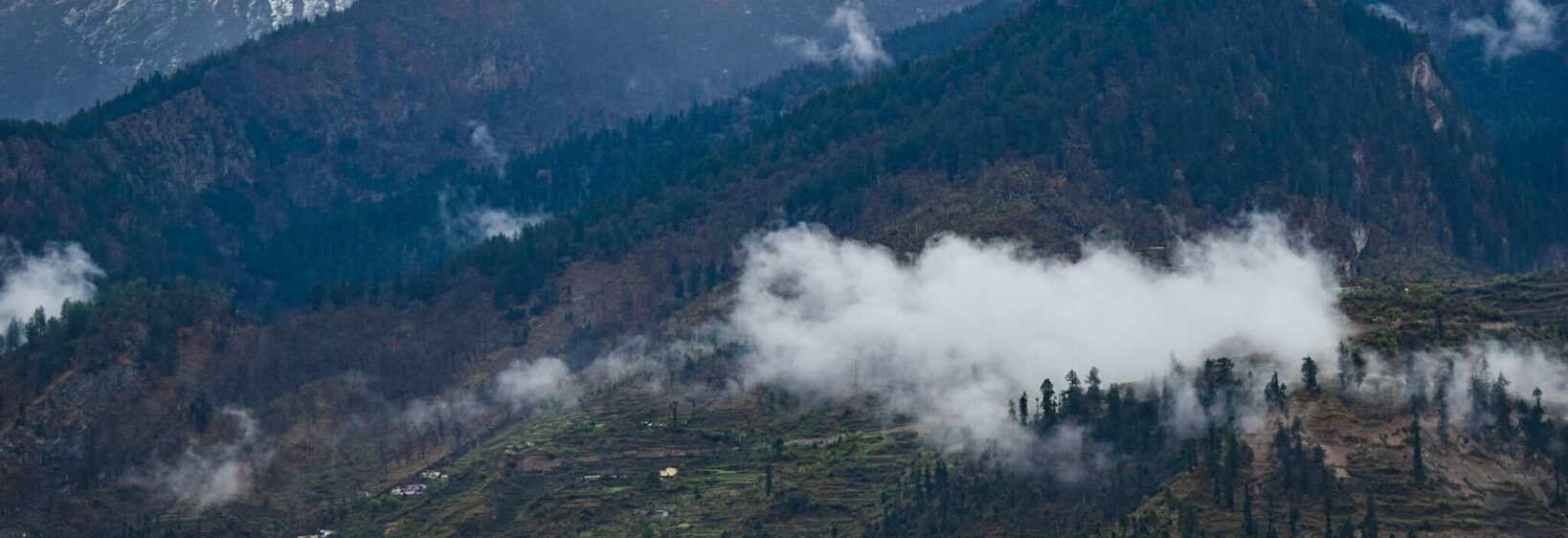
Travellers building a longer mountain route can use this Pindari Glacier trek as a reference for understanding the region’s terrain and travel rhythm. Dechling is best approached with patience: the journey itself may provide photographs of terraced fields, pine forests, roadside shrines and changing light across the valleys.
Photographing stone, hands and atmosphere
Use a wide lens for the workshop’s relationship with its surroundings, then change to a standard or short telephoto lens for tools and gestures. A macro lens can reveal granular stone, polishing trails and tiny variations in colour. Keep your camera strap secure, and protect equipment from fine dust with a simple cover or dry bag.
Soft morning light can make pale soapstone appear flat, so look for side light entering through a doorway or window. A polarising filter may help with glare on polished surfaces, while a fast shutter speed is useful around moving tools. Avoid using flash unless the workers agree, as sudden light can distract people handling equipment.
Showing people with respect
A strong photo essay gives context to the objects. Photograph the sequence from raw material to finished product, and include details such as protective clothing, storage areas and the marks left by repeated work. Ask before making portraits and accept a refusal without pressing for an explanation.
In Kumaon, a friendly greeting and a few simple Hindi words can make the interaction more comfortable. If a guide translates, listen carefully to how workers describe their craft. Do not photograph sacred objects casually, and avoid turning people at work into anonymous background figures for a scenic image.
Practical details for Australian visitors
Carry Indian rupees in smaller denominations because village businesses may prefer cash, even when larger hotels and tour operators accept cards. Australian dollars will not be useful for small purchases, and relying on a phone wallet can be risky when mobile coverage or electricity is unreliable. An eSIM, offline maps and a portable battery are sensible additions.
Visitors from Melbourne or Sydney may find the high-altitude sun stronger than expected, even on cool days. Pack sunscreen, a hat and layered clothing, much as you would for a bright Australian bushwalk, while remembering that Kumaon’s roads and workshop floors require closed, stable shoes. During Australian school holidays, book transport and popular hill accommodation early, particularly for July, September and December travel.
Building a thoughtful visual story
Edit the photographs as a sequence rather than a collection of isolated souvenirs. Begin with the landscape, move into the factory, show the transformation of the stone and finish with a portrait or a quiet detail that reflects the people involved. Captions should identify the place and process without making claims you have not confirmed locally.
For a broader collection of Uttarakhand travel images and cultural features, browse UK Photos Gallery before planning your route. Comparing visual approaches can help you decide whether your own project should emphasise industrial heritage, portraiture, architecture or the changing relationship between traditional craft and tourism.
Field recommendations for a better visit
- Request permission before photographing workers, children, machinery or private spaces.
- Carry a dust-resistant camera pouch, spare batteries and a lens cloth.
- Use smaller cash notes for crafts, refreshments and local transport.
- Visit with a local guide when road directions or translation may be difficult.
- Keep clear of cutting and polishing areas unless staff invite you closer.
- Record the names and meanings of objects before publishing captions.
- Follow local requests about sacred items, privacy and commercial photography.
A respectful visit can support the workshop through a purchase, a fair photography fee or a recommendation to travellers who value locally made goods. The best images will then do more than display attractive stone: they will preserve the atmosphere of a Kumaon workplace and acknowledge the skill behind every finished piece.