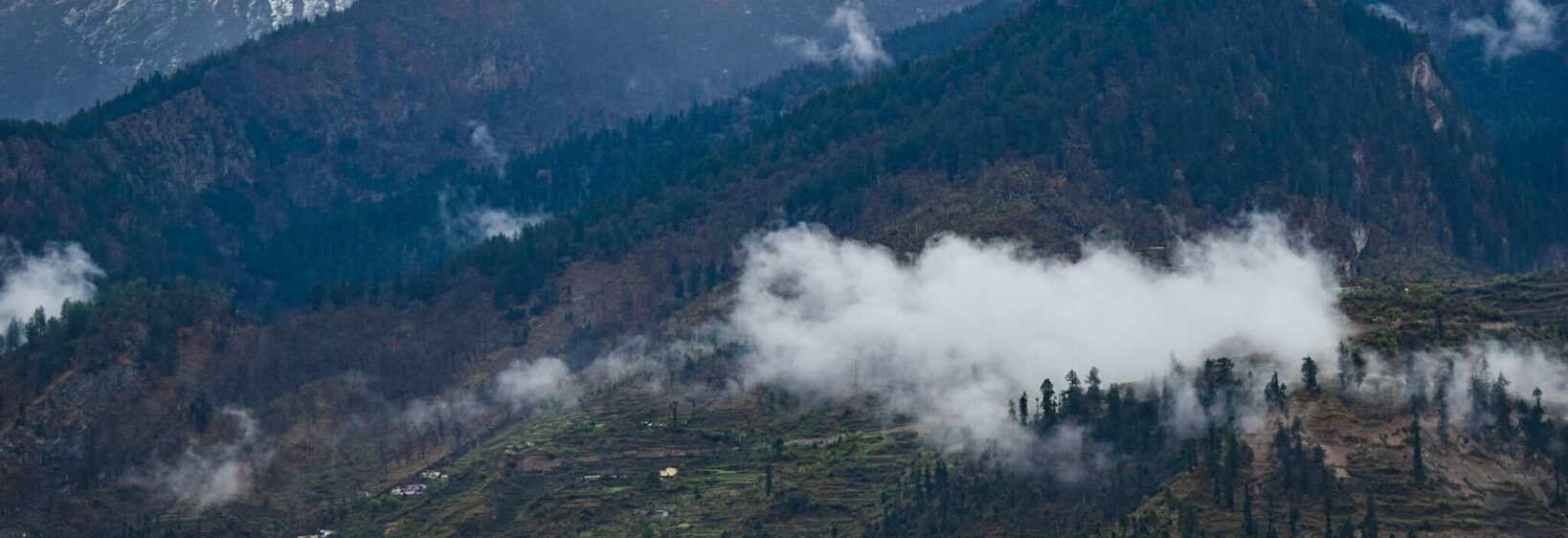
Gangolihat’s Bhairav Temple And Limestone Caves
Gangolihat, in Uttarakhand’s Pithoragarh district, rewards travellers who enjoy quiet roads, sacred architecture, and places shaped by local legend. The town sits among forested hills, with the Bhairav Temple and the remarkable cave network at Patal Bhuvaneshwar offering two very different photographic subjects.
For visitors from Australia, the journey feels far removed from the organised walking tracks around Melbourne, Sydney, or Perth. Roads are narrower, travel times can change with weather, and village life follows temple calendars, seasonal work, and local customs rather than a fixed sightseeing timetable.
The area is associated with powerful Shaivite traditions, including Bhairav worship and stories of underground deities. Limestone formations, natural chambers, stalactites, and water-worn passages give the caves an almost sculptural quality, while the temple’s bells, red markings, stone details, and devotees create a more human visual story.
A thoughtful photographer will gain better images by slowing down. Ask before photographing people, keep equipment compact, and treat the shrine as a living place of worship rather than a dramatic backdrop. These habits also make the experience more comfortable for guides and local residents.
Reaching Gangolihat And Finding The Sites
Gangolihat is reached through the Kumaon hills, commonly via Almora, Bageshwar, or Pithoragarh. The final approach includes winding mountain roads and scattered settlements, so a private vehicle with an experienced local driver is practical. Allow extra time for roadworks, monsoon damage, livestock, and viewpoints that invite unscheduled stops.
The Bhairav Temple may be visited as part of a wider local circuit that includes the famous Hat Kalika Temple and Patal Bhuvaneshwar. Confirm opening hours and current access conditions locally, as religious ceremonies, maintenance, or weather can alter the usual routine. Travellers accustomed to Australia’s reliable mobile mapping should download offline maps before leaving larger towns.
Light And Composition At The Bhairav Temple
Early morning gives the temple a gentle side light, revealing carved surfaces, bells, painted door frames, and the texture of aged stone. A small zoom lens is useful for architectural details, while a standard lens can include the shrine, surrounding trees, and approaching worshippers without forcing a wide perspective.
Avoid photographing during private rituals unless permission is clearly given. In many Indian temples, footwear must be removed and some inner areas may be restricted. A quiet camera mode, no flash, and a respectful distance are more valuable than a dramatic angle. Australians used to casual photography at public festivals should remember that a sacred ceremony has different expectations.
Inside The Caves
Patal Bhuvaneshwar is a subterranean limestone cave reached by a controlled descent. The interior is damp, cool, and uneven, with narrow passages, mineral formations, shrines, and pooled water. Conditions can be slippery, particularly during the wet season, so sturdy shoes are more suitable than sandals.
Artificial lighting inside the cave can produce strong colour casts and harsh highlights. Shoot in RAW if possible, brace the camera against a safe surface, and keep ISO settings moderate. Flash may disturb other visitors and flatten the formations, while a small tripod may be impractical in confined passages.
A compact cave kit
- A weather-sealed camera or protective cover
- One wide lens and one standard zoom
- A headlamp for safe movement, used without shining it at others
- A dry bag for batteries, cards, and personal items
Photographing People And Local Life
The strongest Gangolihat photographs often connect sacred places with everyday life: a guide explaining a formation, flowers beside a shrine, or a family pausing outside the temple. Make eye contact, gesture towards the camera, and accept a refusal. A small print or a preview on the screen can be a gracious way to share the result.
Local markets are useful for colour and context, with marigolds, incense, woollens, fruit, and packaged snacks appearing alongside practical household goods. Bargaining may be normal for some items, but it should remain friendly and modest. Carrying Indian rupees is wise even though Australian travellers are accustomed to card payments and tap-and-go purchases.
Visual details worth seeking
- Temple bells against a mountain sky
- Damp cave walls lit by reflected shrine light
- Marigold garlands and vermilion powder
- Village paths after early morning mist
Stories, Safety, And Responsible Travel
Folklore adds depth to the images, but it should be presented as local belief rather than verified fact. Gangolihat’s supernatural reputation can be explored alongside other Uttarakhand legends, including the haunted stories associated with Abbott Mount. Recording a guide’s words accurately and naming the community context prevents a dramatic caption from becoming misleading.
Weather and altitude require ordinary mountain precautions. Carry water, sun protection, and a light rain layer; Australian visitors often pack sunscreen as a daily habit, which is equally useful here. Check India’s current entry rules and drone regulations before travelling, and remember Australian biosecurity requirements when returning home: soil, seeds, plant material, and some food items must be declared under Australia’s strict border controls. These practical details help preserve both the journey and the places photographed.