A Portrait Series Of The Bee Keepers In Nainital District
In the forested hills of Uttarakhand, beekeeping is closely tied to changing seasons, flowering trees and the rhythms of village life. A portrait series of the bee keepers in the Nainital District offers more than smiling faces beside wooden hives: it records skill, patience, family knowledge and a careful relationship with the mountain landscape.
Nainital’s honey producers work in villages scattered around lakes, oak forests, terraced fields and winding roads. Their lives may feel far removed from a Melbourne farmers’ market or a Sydney café, yet the story of good honey is familiar everywhere: healthy colonies, clean handling, dependable seasons and a customer who wants to know where food comes from.
Faces Behind The Hives
A beekeeper’s portrait begins with the hands. Roughened fingers lift a hive lid, tie protective cloth around a veil or gently brush bees away from a honeycomb. These small gestures show confidence developed through years of observation rather than through hurried intervention.
Many families combine apiary work with farming, livestock care or seasonal employment. Women frequently manage feeding, bottling and household sales, while men may transport colonies or inspect sites farther from home. A photograph can preserve these shared responsibilities without reducing the beekeeper to a picturesque rural figure.
The Landscape That Feeds The Bees
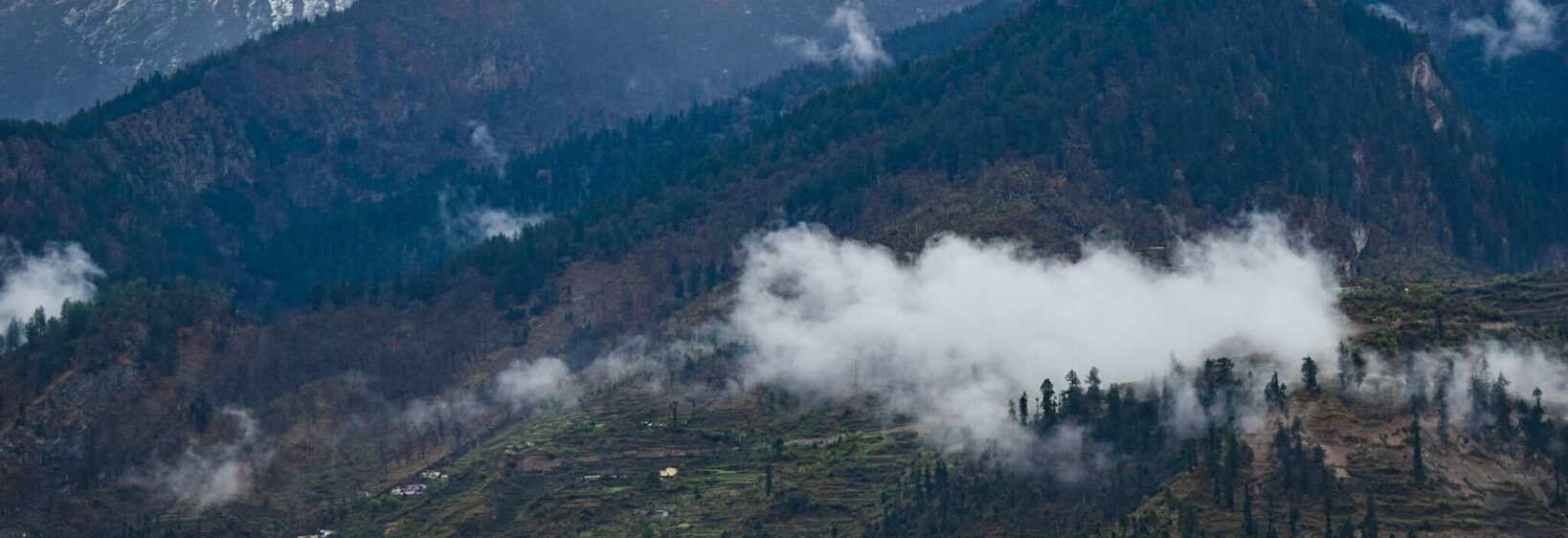
The Nainital district provides a varied floral calendar. Bees may forage among mustard, fruit blossoms, wildflowers and forest plants, while oak and rhododendron habitats support the wider mountain ecosystem. Rain, cold snaps and unseasonal warmth can alter flowering times, forcing keepers to read the landscape carefully.
Altitude also shapes the work. Hives placed near orchards may produce a different aroma and colour from those kept beside woodland or open pasture. This botanical character matters to people in Australia who are accustomed to comparing eucalyptus, tea-tree and leatherwood honeys at specialist food shops.
Traditional Knowledge And Modern Practice
Local beekeepers may use traditional box hives alongside improved designs that make inspection and harvesting easier. Species such as Apis cerana are valued in Himalayan conditions, while other managed colonies may be selected for productivity. The right choice depends on climate, forage, disease pressure and the keeper’s experience.
Protective equipment, queen management and hygienic extraction can improve yields, yet technology does not replace local knowledge. A keeper still needs to recognise unusual buzzing, weak activity or signs of stress. In Brisbane’s humid summer, an Australian apiarist might face different conditions, but the principle is similar: close attention prevents small problems becoming colony losses.
Honey As A Village Economy
Honey provides a flexible source of income when agricultural earnings are uncertain. Families sell jars directly, supply local shops or carry small quantities to nearby towns. Bees also support pollination, which can benefit fruit trees and kitchen gardens beyond the value of the honey itself.
Packaging and trust have become increasingly important. A clean label naming the village, floral source and harvest season can help a small producer stand apart from blended commercial products. For Australian shoppers used to transparent labelling at Perth or Adelaide food markets, this connection between producer and product is especially appealing.
A Visual Record Of Seasonal Labour
The strongest photographs should show work in progress: a smoker releasing a thin veil of cool smoke, bees clustering across a frame, or a beekeeper checking a colony before monsoon weather arrives. Wide images can establish the setting, while close portraits reveal concentration, pride and fatigue.
A respectful approach also includes quiet moments away from the hives. A beekeeper repairing boxes, sharing tea with relatives or carrying equipment along a forest path can say as much as an action photograph. These scenes reflect the pace of Uttarakhand villages more honestly than staged images filled with unnecessary equipment.
From Mountain Honey To Australian Tables
Australian readers may imagine serving Himalayan honey over toast in Sydney, stirring it into tea in Canberra or pairing it with yoghurt after a walk near Melbourne. The comparison should remain thoughtful: Australian honey traditions are shaped by native flowers and strict biosecurity rules, while Nainital honey carries the identity of Himalayan forests and village apiaries.
At a Melbourne farmers’ market, buyers often ask about harvest dates, processing and the grower’s location. Similar questions can strengthen the local honey trade around Nainital. Clear information about moisture, filtration and storage helps customers understand why small-batch honey may vary naturally in colour, texture and flavour.
The Wider Story Of Uttarakhand
Bee keeping belongs to a larger cultural landscape that includes mountain agriculture, migration, pilgrimage routes and changing village populations. Some settlements face declining numbers of young residents, while new livelihood projects encourage families to remain connected to rural homes. The story of an apiary can therefore also be a story of resilience and adaptation.
Photography helps connect these details with readers who may never travel to the region. Alongside a visual record of village life, the abandoned village of Lwani shows how landscape, memory and migration shape Uttarakhand. More travel photography and local stories can be found through the Uttarakhand photo journal, where people and places remain at the centre of the frame.