Photographing Waterfalls on the Badrinath Pilgrim Route
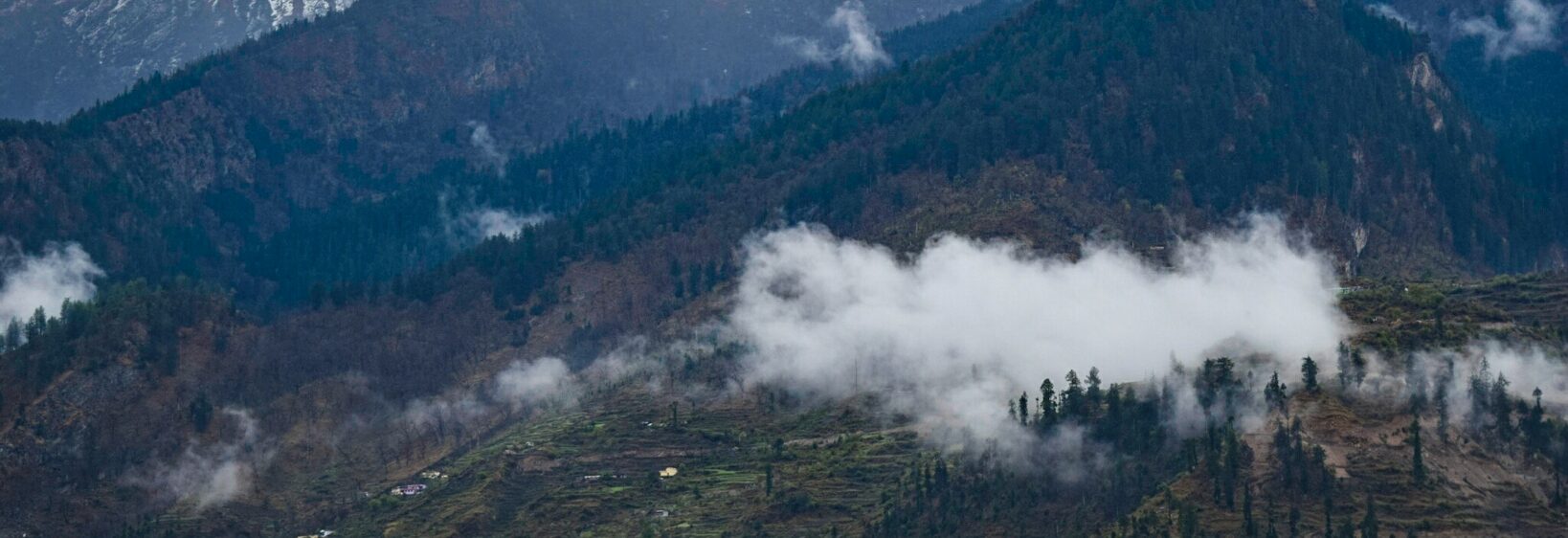
The road from Badrinath to Mana village follows a dramatic stretch of the Alaknanda Valley, where bare mountain walls, glacial streams and high-altitude settlements create a powerful setting for travel photography. For pilgrims, it is a sacred journey; for photographers, it offers constantly changing light and water.
Mana, often described as India’s last village before the Tibetan border, sits at roughly 3,200 metres above sea level. The village, nearby caves and the route towards Vasudhara Falls combine local culture with stark Himalayan scenery. Waterfalls here are seasonal, shaped by snowmelt, rain and the narrow summer travel window.
For Australian visitors, the conditions feel very different from a walk in the Blue Mountains or the Grampians. The altitude is higher, the air is thinner, and a sunny morning can turn cold quickly. A relaxed “no worries” approach works for the pace, but careful acclimatisation and sensible timing matter.
Starting from Badrinath
Badrinath is the practical base for exploring Mana and its surrounding waterfalls. The temple town becomes busy during the pilgrimage season, with hotel rooms, shared jeeps and local guides in demand. Early morning departures usually provide softer light, quieter roads and fewer visitors near the viewpoints.
Before setting out, photograph the changing character of the valley rather than rushing straight to the water. Temple bells, pilgrims crossing bridges, roadside tea stalls and prayer flags help explain the importance of the route. Travellers interested in Uttarakhand’s wider visual traditions may also enjoy reading about the living root bridges, another example of how mountain communities adapt to their environment.
Mana village and the waterfall route
The road to Mana is generally accessible during the open pilgrimage season, although conditions can change because of snowfall, landslides or road work. From the village, visitors can walk towards landmarks such as Bhim Pul and the Saraswati River before continuing towards Vasudhara Falls, depending on local access and weather.
Vasudhara is often treated as the main waterfall destination near Mana. The walk takes several hours return for many travellers, and the terrain is exposed rather than forested. A telephoto lens can compress the falls against the cliffs, while a wider lens shows the scale of the valley and the small figures on the trail.
Finding strong compositions
Waterfall photography at high altitude benefits from simple compositions. Use foreground stones, prayer flags, carved village details or the curve of the track to lead the eye towards the cascade. The pale rock, blue sky and white water can produce a restrained colour palette, especially in morning light.
A polarising filter may reduce glare on wet rocks, but use it carefully because the sky can become uneven at wide angles. A shutter speed around 1/4 to 1 second can soften moving water while retaining texture. Faster settings are useful when spray, wind or individual drops are part of the story.
Light, weather and seasonal detail
The best conditions are often found between sunrise and mid-morning, before harsh overhead light reaches the open slopes. Cloud can be helpful, giving the waterfall a balanced background and revealing layers in the mountain walls. After rain, streams may look fuller, but slippery paths and falling stones become more serious concerns.
The pilgrimage season commonly runs through the warmer months, while winter brings heavy snow and restricted access. Australian travellers used to planning around school holidays should check current road and temple conditions before locking in flights. June, September and early October can offer attractive photography, but each period carries different rain, crowd and road risks.
Respecting sacred places
Mana is a living village, not simply a scenic backdrop. Ask before photographing residents, shopkeepers, religious ceremonies or domestic spaces. A friendly greeting and a purchase from a local stall often create a more respectful exchange than photographing from a distance without acknowledgement.
The wider Badrinath region contains important religious sites, including the Patal Rudreshwar complex, where photography should follow local instructions. Keep cameras discreet inside temples, avoid blocking pilgrims and never climb onto sacred structures for a better angle.
Equipment and field planning
Pack light but protect equipment from dust, sudden rain and condensation. A weather-sealed camera, wide-angle lens, medium telephoto, spare batteries and a dry bag are more useful than a large collection of specialist gear. Batteries drain quickly in cold weather, so carry them close to the body.
| Location or subject | Best visual approach | Practical note |
|---|---|---|
| Mana village | Environmental portraits and village details | Ask permission before photographing people |
| Saraswati River | Fast shutter speeds and textured rocks | Spray and slippery surfaces are common |
| Bhim Pul | Wide compositions showing scale | Crowds can build during peak hours |
| Vasudhara Falls | Telephoto layers and long exposure | Allow several hours for the return walk |
| Badrinath town | Dawn streets and temple surroundings | Follow photography restrictions |
Australian photographers can use familiar bushwalking habits from Tasmania or the Victorian Alps, but should add altitude awareness. Carry water, snacks, sun protection and a warm layer even on a clear day. Mobile coverage may be inconsistent, so share the route with a hotel, driver or guide.
A considerate photography checklist
The strongest images usually come from patience rather than expensive equipment. Build time into the day for pauses, changing light and conversations with local people. Travel arrangements, guides and village stays can often be organised through local operators using WhatsApp, a common booking habit for visitors comparing prices in Australian dollars before arrival.
- Acclimatise in Badrinath before attempting the longer waterfall walk.
- Start early for softer light, cooler conditions and fewer crowds.
- Carry a wide-angle lens, telephoto lens, dry bag and spare batteries.
- Ask permission before making close portraits or photographing ceremonies.
- Check road access, weather and trail conditions with local sources.
- Keep to marked paths and avoid standing beneath unstable slopes.
- Leave the riverbanks, village lanes and sacred sites clean.
With thoughtful planning, the Mana route offers much more than a waterfall photograph. It records a pilgrimage landscape where glacial water, mountain faith, village life and dramatic Himalayan terrain meet in a single journey.