The Sattal Lake Chain Through A Photographer’s Lens
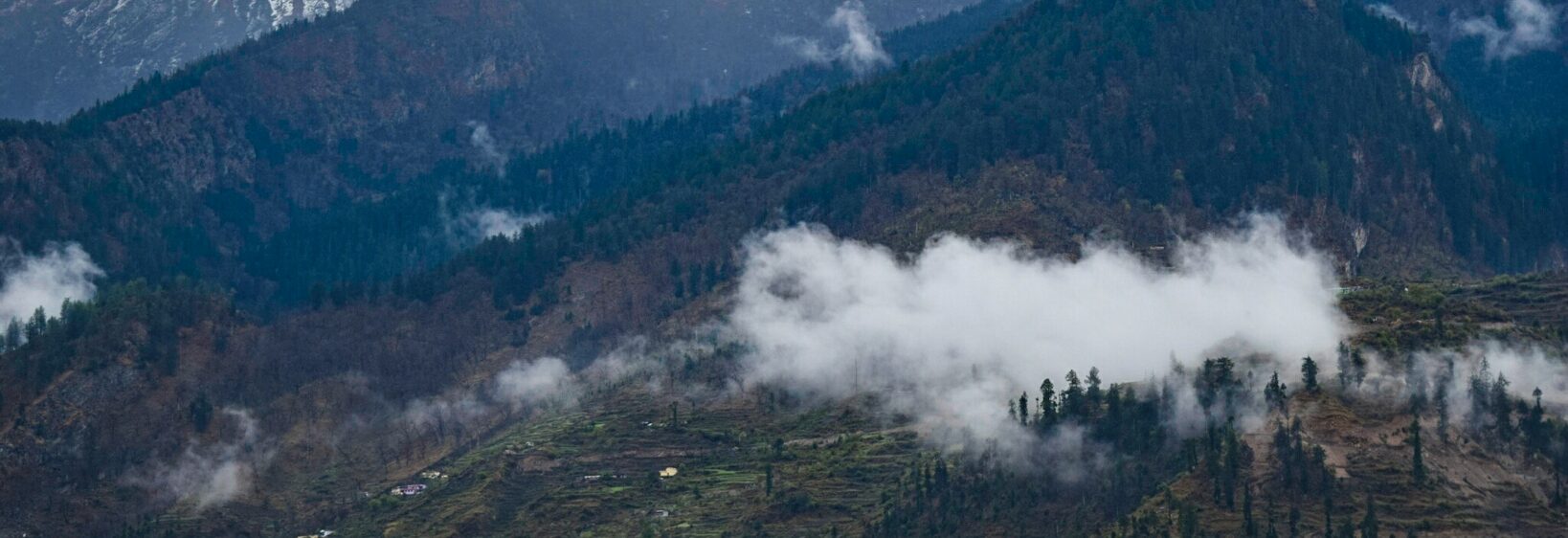
Sattal, meaning “seven lakes”, lies in the forested Kumaon hills of Uttarakhand, close to Nainital and Bhimtal. Its linked water bodies sit among oak, pine and broadleaf forest, creating a landscape that changes character with every bend in the road. Clear mornings bring still reflections, while afternoon cloud turns the hills blue-grey.
For photographers, the appeal is the rhythm of the journey rather than one famous viewpoint. A short walk can move from an open lakeshore to a shaded trail, then to a quiet inlet where kingfishers, butterflies and water birds animate the frame. The scenery rewards patience, careful observation and a willingness to leave the busiest picnic areas.
Visitors travelling from Australia may find the pace very different from a weekend drive around Melbourne’s Dandenong Ranges or Brisbane’s hinterland. Roads are narrower, local transport is less predictable, and weather can change quickly in the mountains. Allow extra time for stops, walking and conversations with residents.
Sattal is also a place of stories and names. The lakes are commonly identified as Ram, Sita, Lakshman, Bharat, Nal Damyanti, Panna and Garud Tal, although spellings and local descriptions vary. A photographic visit becomes richer when the landscape is treated as a living cultural setting rather than a collection of viewpoints.
Finding The Seven Lakes
The main lake cluster is surrounded by forest paths, small settlements, campsites and boating areas. Ram Tal and Sita Tal are often associated with the Ramayana tradition, while Nal Damyanti Tal carries a story of love, separation and devotion. These associations give each body of water a distinct atmosphere, even when the boundaries between them seem subtle.
Garud Tal is generally regarded as the smallest and most secluded of the group. Panna Tal, Bharat Tal and Lakshman Tal may appear as quiet pools or narrow extensions depending on the season and local route. Ask a guide or resident to identify them rather than relying entirely on online maps, which can use varying names.
Light, Reflections And Forest Detail
Early morning is ideal for calm water and soft side light. A wide-angle lens can capture the lake, wooded slopes and layered ridges, while a short telephoto lens isolates reeds, tree trunks and distant boats. Reflections are strongest before wind rises, so begin beside the water and save forest trails for later.
The best images are often smaller than a sweeping panorama. Look for lichen on bark, fallen oak leaves, ripples made by insects and shafts of sunlight between branches. During the monsoon, saturated greens and mist create a moody Himalayan landscape; in the drier months, warmer tones appear through the undergrowth.
Wildlife And Quiet Walking Trails
Sattal is known for birdwatching, with opportunities to see barbets, drongos, woodpeckers, kingfishers and Himalayan bulbuls. Keep voices low and avoid sudden movement near the water. A compact tripod, spare batteries and a lens cloth are more useful than a large collection of equipment.
Walking shoes with dependable grip are important because forest tracks may be muddy, uneven or slippery after rain. Photography enthusiasts planning wider Himalayan travel can also explore these Valley Of Flowers Treks, where alpine meadows offer a very different palette and scale.
Culture Beyond The Shoreline
The lake chain sits within a region shaped by Kumaoni language, seasonal farming and temple traditions. Small shrines, prayer flags and village homes may appear along connecting roads. Photograph people only after asking permission, particularly during religious ceremonies or when making close portraits.
The broader pilgrimage landscape of Uttarakhand adds another layer to a Sattal itinerary. For travellers continuing towards the Alaknanda valley, the Koteshwar Temple offers a contrasting riverside setting carved into a cave shrine. Such visits show how water, faith and geology are closely connected across the state.
Planning A Responsible Photo Trip
The most comfortable seasons are generally spring and autumn, when skies are clearer and walking conditions are manageable. Monsoon travel can be rewarding for mist and vegetation, but landslides, road delays and slippery trails require flexibility. Local guesthouses and camps are useful bases, while a hired driver can simplify transfers between Nainital, Bhimtal and Sattal.
Australian visitors should check drone rules before packing aerial equipment. In India, flying a drone requires compliance with national aviation regulations and local restrictions; protected areas, crowded locations and sensitive sites may prohibit flights. This differs from Australia’s CASA requirements, so a drone should never be launched casually near people, boats or temples.
Carry refillable water, sun protection and a light rain layer. Australians accustomed to weekend coffee runs and organised national-park facilities may need to plan for fewer bins, irregular mobile coverage and limited ATM access. Buying snacks, tea or handmade items from local businesses supports the community, while taking every wrapper and battery back out protects the lakeshore.