The Kali River Rafting Adventure Near Dharasu
The Kali River rafting adventure near Dharasu offers a lively way to experience Uttarakhand beyond temple visits and mountain viewpoints. Fast water, forested slopes and sharp bends create the setting for an active day, while the surrounding Garhwal landscape keeps the journey visually memorable between rapids.
For Australian travellers, it has a different rhythm from rafting on the Tully River in Queensland or tackling gentler sections near the Snowy River. The Himalayan river feels wilder and more remote, so a trip requires sensible planning, a reliable local operator and enough time for road conditions to change.
Why Dharasu Makes A Useful Base
Dharasu sits along an important mountain road, making it a practical meeting point for rafting itineraries connected with Uttarkashi and the wider Garhwal region. Depending on the operator and seasonal river conditions, the actual launch point may be outside town. Confirm the route, transfer time and river name before paying a deposit.
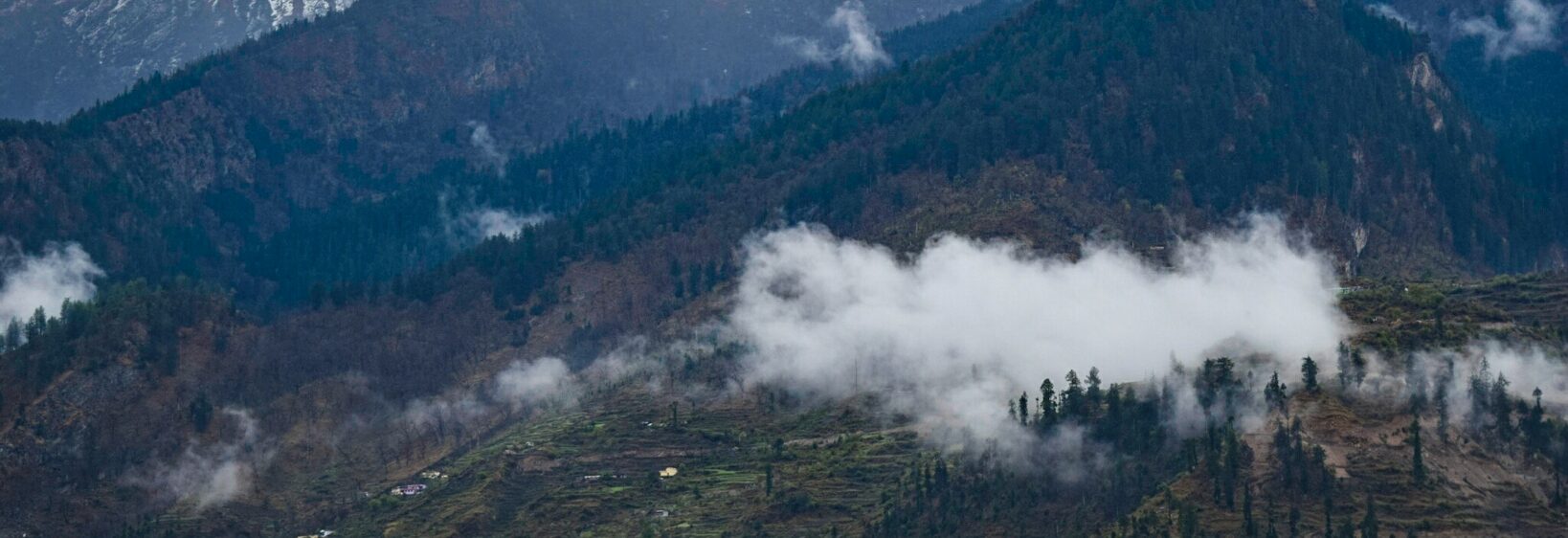
The approach is part of the experience. Terraced hillsides, pine-covered ridges, roadside chai stalls and villages appear between winding sections of road. Travellers coming from Rishikesh, Dehradun or Mussoorie should allow extra time rather than treating the drive like a quick transfer between Australian regional towns.
Reading The Rapids From The Boat
A rafting guide will explain paddle commands before the raft enters moving water. Words such as “forward”, “back”, “hold on” and “get down” need to be understood clearly, especially when the current pushes the raft towards a rock garden or narrow channel.
The best stretches combine short bursts of action with calmer pools. In the faster sections, the bow rises over standing waves, spray crosses the frame and every paddler leans into the guide’s rhythm. In quieter water, there is time to look at cliffs, hanging vegetation and pale river stones.
A useful visual reference is this riverside camp stay, which gives a sense of how an overnight Himalayan river setting can feel after the day’s adventure.
Capturing Strong Action Shots
The most dramatic rafting photographs are usually taken from the riverbank, a bridge or a designated photographer’s safety position. A shot taken as the raft meets a breaking wave shows the shape of the rapid, the paddlers’ concentration and the scale of the gorge.
A fast shutter speed helps freeze flying water and raised paddles. Photographers should use a weather-sealed camera or waterproof phone pouch, but equipment must never distract from a safe stance. Never step onto slippery rocks or stand inside a rescue zone just to improve the angle.
For personal images, ask the operator whether photographs are included in the package. Some guides carry an action camera, while others work with a separate photographer who sells digital images after the run.
When The River Is At Its Best
Rafting conditions change with the monsoon cycle. Spring and early summer can offer clear weather and manageable water, while the post-monsoon months may bring stronger flow and more dramatic rapids. Heavy rain can close roads, cancel departures or make a planned section unsuitable.
The months around the Australian winter holidays can be appealing for travellers escaping cold mornings in Melbourne, Canberra or the Blue Mountains. Still, Indian school holidays and domestic tourism periods can increase demand for transport and accommodation. Book earlier if the trip forms part of a larger Uttarakhand pilgrimage or trekking itinerary.
Safety On A Himalayan Run
Choose an operator that provides a correctly fitted helmet, buoyancy aid, paddle and raft suited to the group. A proper briefing should cover swimming in current, falling out, listening to the guide and moving away from the raft if instructed.
Cold water, altitude changes, uneven riverbanks and long road transfers can affect tired travellers. Australian visitors should check whether their travel insurance covers whitewater rafting at the stated grade, rather than assuming a standard adventure policy includes it.
Avoid alcohol before the trip, secure glasses and phones, and tell the guide about medical concerns. The friendly “no worries” attitude familiar in Australia is useful for staying calm, but it should never replace following local safety instructions.
Pack Smart And Book Locally
A little preparation makes the river day more comfortable. Local outfitters may provide core safety equipment, but personal clothing and dry storage are still worth organising.
Useful Items For The River
- Quick-drying shorts or activewear
- Secure sandals or old sports shoes
- Sunscreen, sunglasses and a reusable water bottle
- Dry clothes sealed in a waterproof bag
Ask about transport, meals, photographs, changing facilities and cancellation rules before booking. Prices may be quoted in Indian rupees, and Australian travellers should check the final amount rather than relying on a rough AUD conversion from a travel app.
For regional ideas, seasonal destination notes and photography-led stories, the UK Photos Gallery provides wider context for planning an Uttarakhand journey.
Questions To Settle Before Departure
- Which river section and difficulty grade are included?
- How long is the road transfer to the launch point?
- What happens if rain changes the itinerary?
- Is the guide certified and the equipment inspected?
Compare The Main Trip Priorities
Different travellers want different versions of a rafting day. A family group may prefer a shorter, calmer run, while experienced paddlers may focus on technical rapids and action photography. Use the following guide when comparing packages.
| Trip priority | What to look for | Best suited to |
|---|---|---|
| Big rapids | Higher-grade section, strong guide team and recent water update | Experienced paddlers |
| Photography | Bank-side photographer or guide-held action camera | Content creators and families |
| Scenic outing | Shorter run with calm pools and viewpoint stops | First-time rafters |
| Comfortable logistics | Transfers, changing space and meal included | Travellers on a tight itinerary |
| Flexible planning | Weather cancellation policy and alternate river section | Monsoon shoulder-season visitors |
The strongest experience balances excitement with local knowledge. Dharasu’s river corridors reward travellers who leave space in the schedule, respect changing mountain conditions and treat the rapids as a shared outdoor experience rather than a staged photo opportunity.