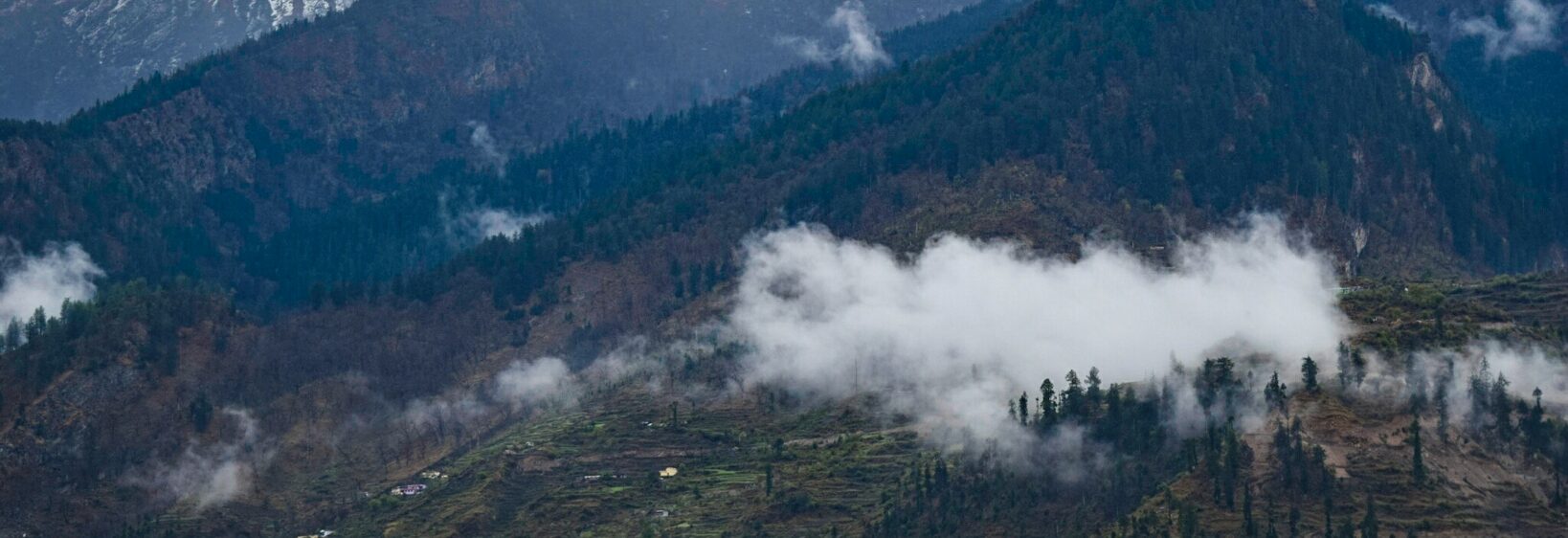
A Photo Walk Through Patal Bhuvaneshwar Cave Temple
Patal Bhuvaneshwar, near Gangolihat in Pithoragarh district, is one of Uttarakhand’s most atmospheric pilgrimage sites. The temple is set inside a limestone cave where narrow passages, water-worn rock and naturally formed shapes create a dramatic underground landscape. For photographers, the journey is as important as the final image: light fades, footsteps slow and every turn reveals a different texture.
This is a place to photograph with patience rather than speed. The cave is a living shrine, not a staged attraction, so visitors need to balance visual curiosity with religious respect. An Australian traveller arriving from Sydney, Melbourne or Brisbane will find a setting far removed from the broad roads and carefully marked national parks familiar at home.
Reaching the underground shrine
Patal Bhuvaneshwar lies around 14 kilometres from Gangolihat and is usually reached by road from larger Kumaoni towns such as Almora, Bageshwar or Pithoragarh. The final approach passes through mountain villages, pine-covered slopes and terraced fields. A local driver is useful because road conditions, bends and travel times can change with rain, roadworks or seasonal landslides.
The cave entrance is modest, but the descent quickly becomes more enclosed. Steps and metal supports guide visitors into the natural cavern, where a local priest or appointed guide may explain the religious associations of the formations. Wear shoes with firm grip, carry a small torch for the approach and keep both hands free on steeper sections.
Reading the cave landscape
Inside, the ceiling narrows into a series of chambers shaped by water and mineral deposits. Stalactites, stalagmites and pale limestone ridges catch the available light in subtle ways. Many formations are connected with Hindu traditions and deities, which gives the space a devotional meaning beyond its geological interest.
A wide-angle lens may be useful near the entrance, but it is less valuable in the tightest passages. Focus on details: mineral lines, damp stone, the edge of a shrine lamp or a guide’s silhouette. High ISO settings and a steady hand will usually produce more natural results than a bright flash.
Photographing with restraint
Photography rules can differ between the outer approach and the inner sanctum. Ask before taking pictures, follow instructions from temple staff and put the camera away when worshippers are praying. Flash can disturb people and flatten the cave’s atmosphere, while tripods may obstruct a passage or create a safety hazard.
A compact camera or phone is easier to manage than a large kit. Use a wrist strap, protect equipment from moisture and avoid touching the formations. The best images often come from waiting for a small group to move through the frame, leaving a sense of scale without turning pilgrims into unwilling subjects.
The living sacred space
Patal Bhuvaneshwar is associated with Lord Shiva and is revered as an important pilgrimage site in the Kumaon region. Bells, oil lamps, chants and offerings make the cave feel active and personal. The devotional experience should remain central, even when the visit is planned as a photo walk.
Dress modestly and carry a light layer because the underground temperature can feel cool compared with the midday air outside. Visitors may need to leave bags or footwear in designated areas. Keep voices low, avoid blocking the route and allow local worshippers to move ahead of a photo opportunity.
Seasons, weather and nearby detours
Spring and early summer can bring clear mountain views, while the monsoon turns the surrounding hills intensely green. Heavy rain may make access roads slippery and can affect visibility, so checking local conditions before departure is sensible. Autumn often offers crisp air and more stable travel conditions.
For a broader Uttarakhand photography itinerary, the Auli flower guide provides inspiration for pairing sacred landscapes with seasonal mountain colour. Travellers continuing towards Mukteshwar can also look for the Kaliya Dhak waterfall, a quieter subject for long-exposure images and a useful contrast to the darkness of the cave.
Planning the walk from Australia
Australian visitors should allow extra time for altitude, winding roads and slower local transport. An early start is a familiar habit for people who enjoy a dawn walk in the Blue Mountains or along Melbourne’s coast, and it works well here too: cooler temperatures, softer light and fewer visitors make the approach more comfortable.
Carry Indian rupees in smaller notes because village shops and roadside stalls may prefer cash, even though travellers from cities such as Perth or Adelaide are accustomed to tap-and-go payments. A reusable water bottle, sun protection and a small snack are practical, but Australian biosecurity rules mean food, seeds and outdoor equipment should be declared or cleaned properly before returning home.
A compact field guide
The best visit combines practical preparation with a quiet pace. Check opening arrangements locally, use a registered guide where required and never assume that a drone or bright lighting is acceptable. Australian drone operators should also remember that CASA rules apply to flights at home, while Indian aviation rules and local temple restrictions apply in Uttarakhand; a cave shrine is no place for an improvised flight.
| Part of the visit | Useful approach |
|---|---|
| Access | Arrange a local vehicle from Gangolihat or a nearby town |
| Clothing | Wear modest, comfortable layers with grippy footwear |
| Camera kit | Use a compact camera, spare battery and wrist strap |
| Cave etiquette | Ask before photographing and avoid flash near worship |
| Best subjects | Rock textures, entrance light, lamps and silhouettes |
| Weather | Check monsoon road conditions before setting out |
| Payments | Carry small Indian notes for local purchases |
After leaving the cavern, spend time photographing the village lanes, forest edges and distant ridgelines rather than rushing back to the vehicle. The contrast between the dark subterranean shrine and the open Himalayan landscape is the defining visual story of this pilgrimage complex.