Munsyari market: street portraits and local crafts
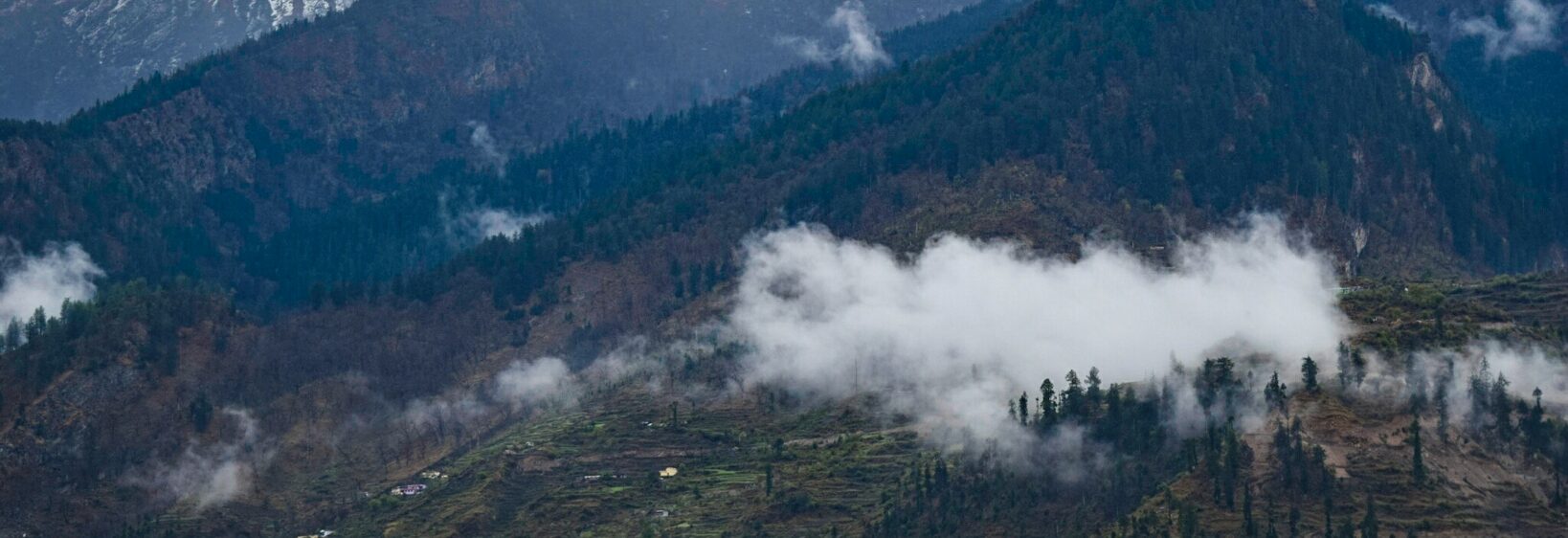
Munsyari sits in Uttarakhand’s Kumaon Himalaya, close to the old routes towards the Indo-Tibetan border. Its market is compact, lively and practical rather than polished for tourism. Shops sell woollens, farm produce, household goods, snacks and handmade items, while the surrounding mountains give every street scene a distinctive sense of place.
A walk through the bazaar is an opportunity to see everyday life at close range. Shopkeepers arrange knitted socks beside packets of spices, porters carry supplies uphill, and residents pause for tea beneath colourful awnings. The best photographs often come from these small interactions rather than from carefully staged views.
For visitors from Australia, Munsyari feels very different from the large covered markets of Melbourne or Sydney. There are fewer branded displays and less reliance on tap-and-go payments, so carrying some Indian rupees remains sensible. Distances, weather and limited transport also mean that a market visit should be treated as part of a slower mountain journey.
The town is high, cool and exposed to sudden weather changes. Comfortable walking shoes, layered clothing and sun protection are useful even when the air feels cold. Allow time to browse, talk and observe; the character of Munsyari appears gradually through its people, materials and mountain rhythms.
Finding your way through the bazaar
Munsyari’s central market is easiest to explore on foot, although steep lanes and uneven surfaces can make the walk tiring. Shops cluster around the main road, with small side lanes leading to food stalls, pharmacies, provision stores and workshops. Morning is a good time for fresh produce and quieter street photography.
The market becomes more animated as local residents arrive from nearby villages. Buses and shared jeeps connect Munsyari with surrounding settlements, so the bazaar also functions as a meeting point and transport hub. Keep clear of loading areas, and be patient when vehicles pass through narrow streets.
Reading the local craft tradition
Wool is central to Munsyari’s craft identity. Handmade shawls, caps, socks, gloves and blankets reflect the cold climate and the skills of Kumaoni and Bhotiya communities. Look closely at the weave, weight and finishing rather than assuming that every warm-looking item is hand spun or naturally dyed.
You may also find woven baskets, wooden objects, copper vessels and small decorative pieces. Ringal, a Himalayan bamboo, is traditionally used for baskets and household articles. Craft purchases are especially meaningful when the seller can explain who made the item, which material was used and how it fits into local life.
Photographing people with respect
Street portraits should begin with a friendly greeting and a clear request. A simple gesture towards the camera, followed by a smile, often communicates across language differences, but consent should be explicit whenever possible. Show the photograph on your screen and ask whether the person is comfortable with you keeping it.
Avoid photographing children without permission from a parent or guardian, and do not turn poverty, religious practice or private conversations into visual props. A small purchase, respectful conversation or agreed portrait fee can acknowledge the time someone has given you, though money should never be used to pressure a person into posing.
Colours, textures and useful details
The strongest images may come from details: red chillies drying outside a shop, wool folded in layers, brass scales, weathered timber, painted signs and hands sorting lentils. Early and late daylight brings texture to the market’s walls and fabrics, while overcast weather produces soft portraits without harsh shadows.
Australian visitors accustomed to bright supermarket lighting may notice how much natural light shapes this bazaar. A compact camera or phone is easier to manage on steep lanes. Keep equipment secure, avoid blocking doorways and ask before photographing inside a shop.
Tasting the market
Small eateries and tea stalls offer a welcome pause between walks. Try local-style tea, simple snacks and seasonal food where the turnover is steady and the preparation area looks clean. Menus may be limited, but that is part of the market’s everyday character.
Food hygiene expectations can differ from those in Brisbane, Perth or Adelaide, so choose busy stalls and drink treated or packaged water. Take care with very spicy dishes if you are not used to them, and carry small notes for purchases because vendors may not have change for large denominations.
Buying responsibly and carrying goods home
Prices are often open to polite discussion, particularly for several items, but aggressive bargaining is inappropriate when a product reflects many hours of handwork. Ask whether a shawl is handmade, what fibre it contains and whether colours may run during washing. Keep receipts for expensive purchases and pack delicate textiles away from moisture.
Australia’s biosecurity rules are strict under the Biosecurity Act 2015. Declare plant material, seeds, untreated wood, animal products and food when returning home, and check current guidance before buying Himalayan herbs, dried foods or bamboo goods. Australian Consumer Law may help with domestic purchases, but it generally does not provide a simple remedy for an informal overseas market transaction.
Linking Munsyari with a wider Kumaon journey
Munsyari works well as part of a longer Uttarakhand itinerary rather than a quick stop. Travellers may combine the market with village walks, views towards the Panchachuli peaks, nearby temples and visits to traditional settlements. Roads are mountainous, and travel times can change with weather, roadworks or seasonal closures.
Those travelling through Kumaon can also explore the region’s architectural heritage at the Baijnath temple complex. Returning to Munsyari afterwards gives the journey a useful contrast: ancient stone temples and sculpture in one setting, living craft traditions and candid street scenes in another. The market remains memorable because it is a working part of the community, not a backdrop designed solely for visitors.