Kempty Falls In Mussoorie: Crowd-Free Morning Shots
Kempty Falls is one of Mussoorie’s best-known day-trip spots, but its popularity can make photography difficult. By late morning, the stairs, viewing platforms and bathing pools often fill with visitors, changing the character of the cascade completely.
Arriving early offers a quieter scene, softer mountain light and a better chance to capture the falls without a busy foreground. For travellers coming from Australia, this is also a rewarding way to experience a famous Uttarakhand attraction before spending the rest of the day exploring the surrounding hills.
Why The Early Hours Work Best
Kempty Falls lies around 13 kilometres from Mussoorie, on the road towards Chakrata. The water drops through a rocky gorge in several stages, creating pools, spray and bright green vegetation that respond beautifully to gentle morning light.
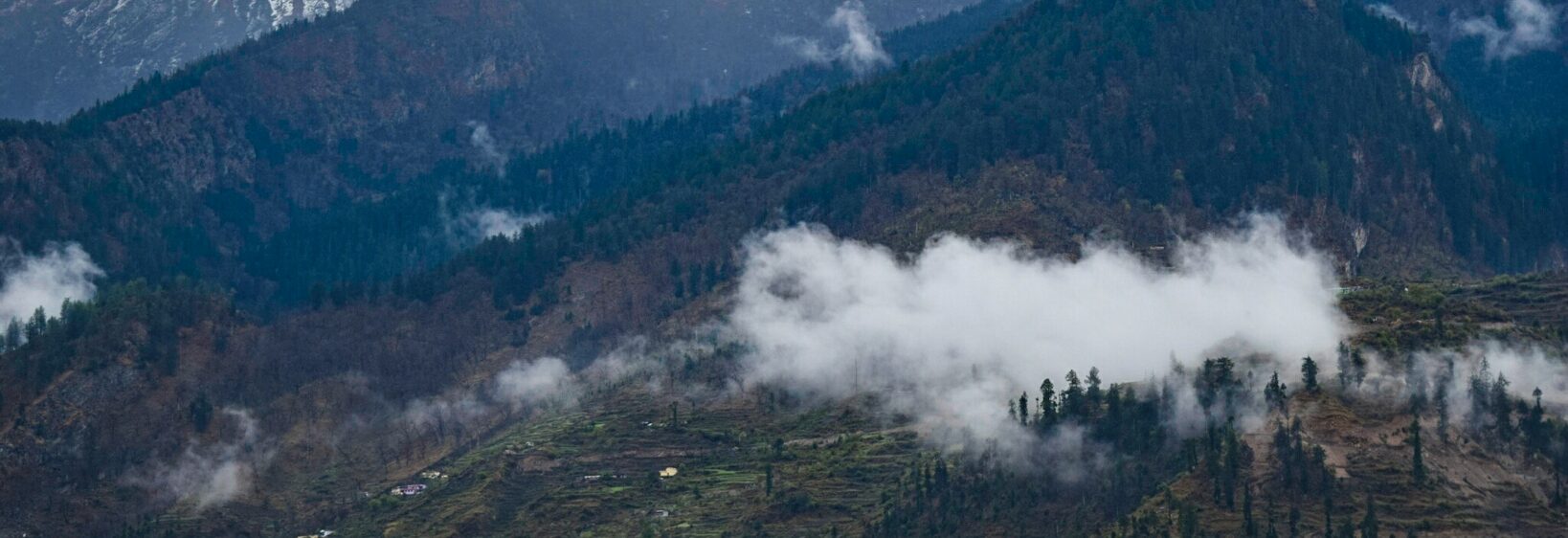
The first hours after sunrise are usually calmer than the period between late morning and afternoon. Local shopkeepers may still be opening, tour groups have not fully arrived, and the mist around the valley can add depth to wide landscape frames.
Reaching The Waterfall Before The Crowds
Leave Mussoorie soon after dawn and allow extra time for the winding road. A private taxi is usually the most practical option for photographers carrying a tripod or several lenses, while local buses and shared vehicles can be less predictable at that hour.
The final approach includes a downhill walk and stair sections. Wear shoes with firm grip, particularly during the monsoon season when moss and spray can make the stones slippery. A small daypack is easier to manage than a large camera bag.
Finding Strong Compositions
Begin with a wide frame showing the falls, dark rock walls and surrounding forest. A moderate telephoto lens then helps isolate the main cascade, especially when people begin appearing near the lower pools.
Look for foreground details such as wet leaves, textured stones and narrow streams flowing away from the falls. Reflections can work well when the water is still, while a slower shutter speed gives the cascade a soft, flowing appearance. A polarising filter may reduce glare, though it can also remove attractive reflections.
Camera Settings For Moving Water
Morning shade often allows a slower shutter speed without harsh highlights. Try a range of exposures rather than relying on one setting, because the white water can easily lose detail. Checking the histogram is more reliable than judging brightness on a camera screen.
A tripod is useful, but keep its legs clear of busy walkways and never place equipment in the bathing areas. For handheld shots, raise the ISO slightly and use a fast enough shutter speed to preserve droplets and nearby foliage.
Photographing Respectfully
Kempty Falls is a living local attraction, not an empty wilderness set. Visitors come to bathe, picnic and enjoy the water, so avoid photographing people closely without permission. This matters especially when documenting families, children or religious travellers.
Keep clear of slippery edges and do not climb unstable rocks for a dramatic angle. Plastic waste, loud music and discarded food can damage the setting, so carry out anything you bring in. A quiet photographer is more likely to notice birds, distant voices and the changing rhythm of the valley.
Building A Wider Mussoorie Photo Day
After photographing the falls, return towards Mussoorie for viewpoints around Landour, Camel’s Back Road or the quieter lanes near Lal Tibba. These areas offer a useful contrast: Kempty provides movement and spray, while the higher ridges deliver layered Himalayan scenery and old colonial architecture.
Travellers interested in less-visited heritage subjects can also include Uttarakhand hill forts in a longer regional itinerary. Such locations suit detail-focused photography, with weathered stone, village paths and broad mountain horizons.
Planning From Australia
For visitors flying from Sydney, Melbourne or Brisbane, Mussoorie is best treated as part of a longer North India journey rather than a quick side trip. Delhi is the usual gateway, followed by road travel into Uttarakhand, so building in a recovery day can make the early waterfall start far more comfortable.
Australian travellers will recognise the appeal of getting out before the crowds, much like reaching the Blue Mountains early or visiting a popular Gold Coast beach before the “arvo” rush. When comparing Indian tour packages, check whether transport, entrance fees, guides and hotel transfers are included, and compare the full cost in Australian dollars rather than choosing on the headline price alone. A pre-booked vehicle also removes uncertainty after a long overnight flight.
The most rewarding images usually come from patience rather than elaborate equipment. At Kempty Falls, an early arrival, careful footing and attention to changing light can turn a busy tourist stop into a peaceful mountain photograph.