The Landour Bakehouse: Food Photography in a Colonial Setting
Perched above Mussoorie in Uttarakhand, The Landour Bakehouse offers a food photographer an inviting blend of old-world architecture, mountain light and freshly baked treats. Its timber details, stone walls and relaxed café atmosphere create a setting that feels far removed from a standard restaurant shoot.
For visitors from Australia, the scene has a familiar café warmth, much like discovering a tucked-away bakery in Melbourne’s laneways or a weekend coffee stop near the Blue Mountains. The difference lies in the Himalayan landscape, colonial-era character and North Indian hospitality surrounding every frame.
A successful session here should capture more than cakes and coffee. It should tell a visual story about Landour’s slow pace, Mussoorie’s heritage, and the small rituals that make a hill-station bakery memorable.
Finding The Right Visual Story
Begin with the bakery’s atmosphere rather than photographing individual dishes immediately. Wide images can show the relationship between the pastry counter, wooden furniture, windows and surrounding hills. Medium shots are useful for displaying a table setting, while close-ups reveal flaky layers, icing, crumbs and handmade texture.
A coherent gallery might follow a customer’s visit from entering the bakehouse to choosing a pastry, pouring coffee and enjoying the view. This narrative approach works well for travel blogs, destination marketing and social media campaigns aimed at travellers searching for atmospheric cafés in Mussoorie.
Working With Mountain Light
Landour’s natural light can change quickly. Morning often provides a gentle glow through the windows, while bright midday conditions may produce harsh highlights on white plates and glossy icing. A small reflector or folded white card can soften shadows without making the scene look artificial.
Cloud cover is common in the hills, so manual exposure and white-balance checks are worthwhile. Keep the colours of bread, pastry and coffee warm but realistic. Australian viewers used to bright café photography may appreciate a softer, more cinematic treatment that reflects the cooler mountain climate.
Styling Pastries And Café Details
Choose props that support the colonial setting: ceramic cups, linen napkins, old books, timber boards and simple cutlery. Avoid overcrowding the frame, as the bakery’s character should remain visible. A few crumbs or a sliced tart can suggest freshness without making the composition appear untidy.
Include details such as a steaming drink, a hand reaching for a croissant or a knife resting beside cake. These human touches give scale and emotion to the photographs. They also make the images useful for travellers planning a relaxed stop rather than simply admiring food online.
A Practical Shot List
Before photographing, ask which items are freshly prepared and how long they will retain their best appearance. Cakes with cream, flaky pastries and hot drinks each have a short visual window. Photograph the most delicate subjects first, then move to bread, packaged goods and wider interior scenes.
| Subject | Useful approach | Best visual purpose |
|---|---|---|
| Pastry close-up | Use side light and a low angle | Shows layers and texture |
| Coffee or tea | Capture steam quickly | Adds warmth and movement |
| Bakery interior | Use a wider lens carefully | Establishes place and heritage |
| Window table | Frame hills beyond the glass | Connects food with landscape |
| Serving moment | Include hands or partial figures | Creates a sense of hospitality |
Keep a few vertical frames for Instagram Stories and mobile travel guides. Horizontal photographs remain valuable for blog banners, accommodation websites and printed brochures promoting Mussoorie tours.
Connecting Food With Uttarakhand
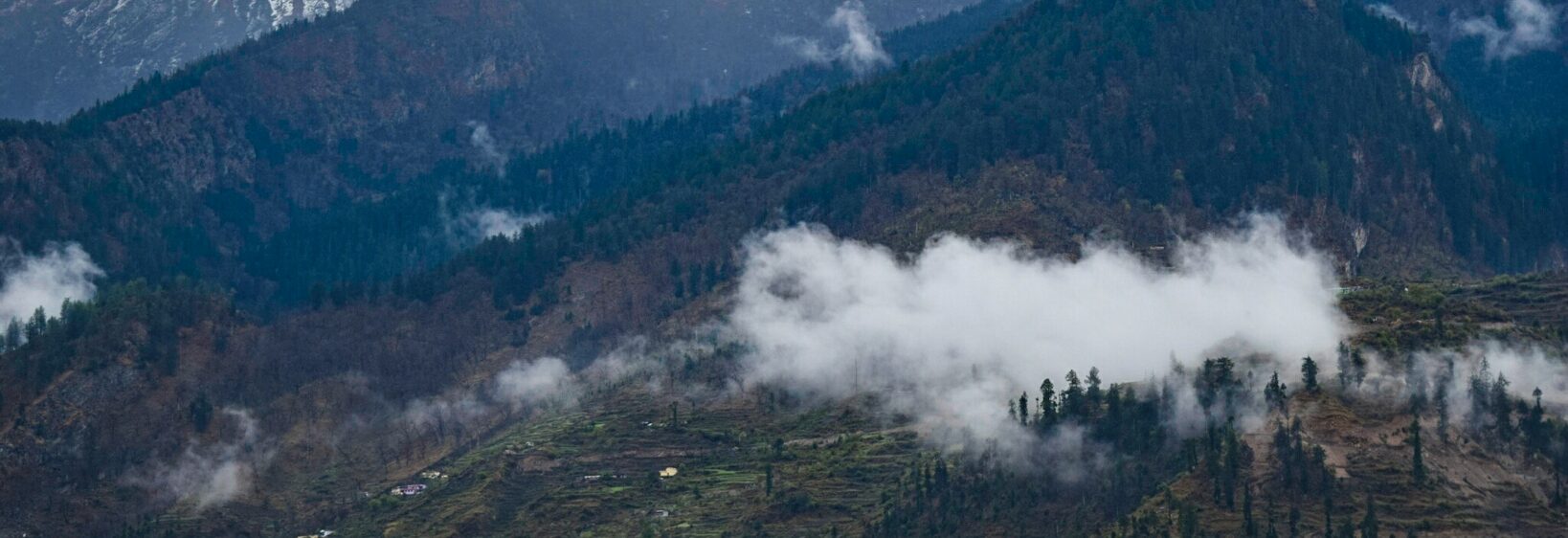
The bakehouse can serve as a visual gateway to Uttarakhand’s broader travel culture. Pair café images with photographs of Landour’s walking paths, old churches, hillside homes and pine-covered slopes. This gives readers a stronger sense of place than a food gallery alone.
For travellers who enjoy active itineraries, the bakery can be presented as a peaceful contrast to longer mountain journeys. A story about the Har Ki Dun Valley trek can sit alongside café imagery to show the range of experiences available across the region, from demanding trails to quiet afternoon treats.
Making Images Useful For Australian Travellers
Australian visitors often plan around school-holiday periods, annual leave and realistic travel budgets. Clear photographs of seating, portion sizes and the surrounding street help them picture a stop during a North India itinerary. Mentioning approximate costs in Indian rupees, with an Australian-dollar guide where appropriate, can make a travel post more practical.
Language also shapes presentation. A relaxed caption using phrases such as “a proper cuppa”, “a sweet stop” or “worth the detour” may feel natural to readers in Sydney, Brisbane or Adelaide. At the same time, the photography should explain local café customs rather than assuming the experience matches a flat-white run in Fitzroy or a bakery visit in Hobart.
Respecting The Colonial Setting
Colonial architecture should be photographed with context and care. Timber beams, stonework and heritage façades are visually striking, yet the story should acknowledge that Landour’s built environment reflects complex Himalayan, British and Indian histories. Avoid presenting the setting as a decorative fantasy detached from the people who live and work there.
Ask permission before photographing staff or customers, especially for close portraits. Be mindful of narrow interiors, working counters and busy service periods. A considerate photographer can create polished images while preserving the welcoming, unhurried character that makes this hill-station bakery distinctive.
Building A Finished Gallery
Edit the final collection with variety: begin with an exterior or establishing frame, follow with interior details, then move through food close-ups and human moments. Keep colour grading consistent so the gallery feels like one visit rather than a collection of unrelated images.
For a UK Photos Gallery feature, combine the photographs with practical notes about reaching Landour, walking conditions, weather and nearby attractions. The strongest food photography session will leave readers remembering the aroma of baking, the quiet mountain air and the pleasure of pausing somewhere with a story.