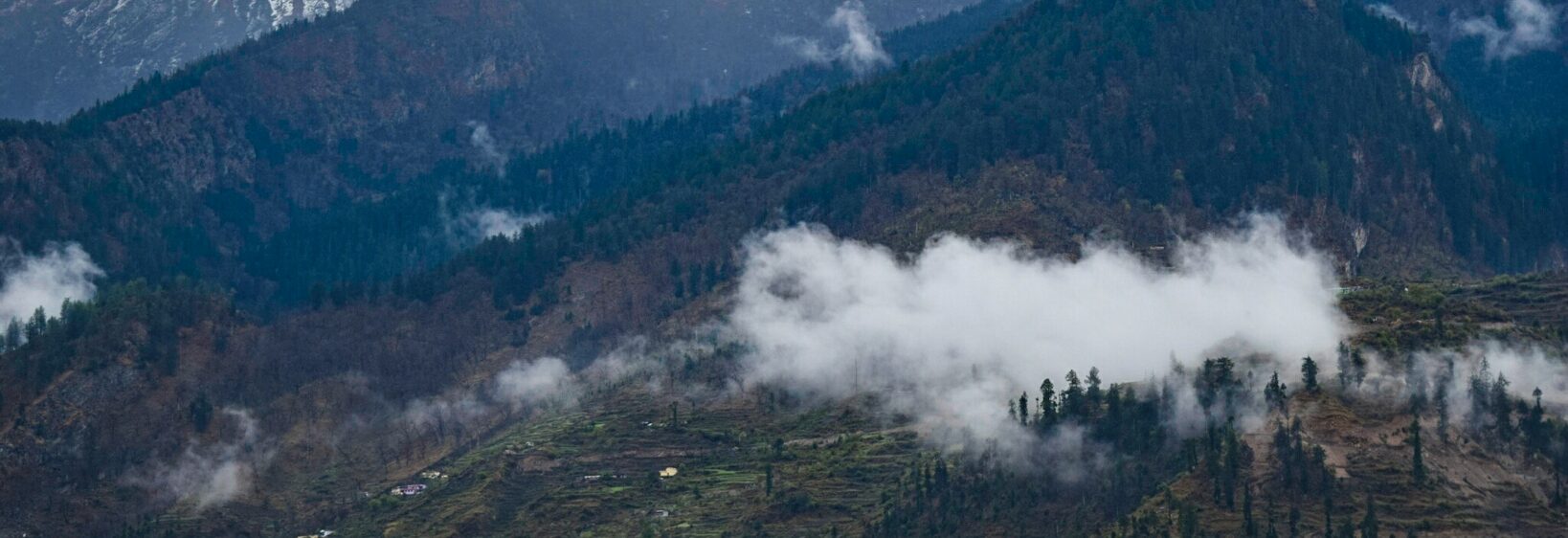
Misty morning landscape shots in Chakrata’s Deoban forest
Deoban, above the hill station of Chakrata in Uttarakhand, offers a quieter mountain experience than many of the state’s better-known viewpoints. Tall deodar trees, rolling ridges and drifting cloud create a soft, layered landscape, especially during the first hours after sunrise.
For photographers travelling from Australia, this forest is a rewarding change from familiar bushland around the Blue Mountains or the Dandenong Ranges. The atmosphere feels cooler, wilder and more intimate, with mist moving between Himalayan trees instead of settling over eucalyptus valleys.
Why Deoban is special at dawn
Early morning in Deoban often begins with low cloud wrapped around the forest edge. The mist can hide distant peaks for several minutes before opening into glimpses of ridgelines, villages and blue-grey valleys. This changing visibility gives a landscape photographer several different scenes without moving far.
The deodar forest is the main subject. Look for trunks disappearing into white vapour, mossy ground, narrow tracks and small breaks in the canopy. A telephoto lens can compress layers of trees, while a wide-angle lens works well when a foreground branch leads into the fog.
Reaching the forest from Chakrata
Deoban is reached from Chakrata by a mountain road, and the journey is part of the visual experience. Roads can be narrow, uneven and affected by rain, frost or occasional snowfall, so allow extra time rather than planning a tight morning schedule. A local driver familiar with the route is often a safer choice than relying entirely on an unfamiliar rental vehicle.
Chakrata itself is a useful base for accommodation, meals and supplies. Travellers coming from Delhi or Dehradun should expect a slower hill journey, with limited services once they leave the town. Carry drinking water, snacks, a power bank and warm layers, even if the weather feels mild when you start.
Finding the right morning light
The best misty landscape shots usually come from patience rather than constant movement. Arrive before sunrise, set up near a safe roadside clearing or established viewpoint, and watch how the first light reaches the upper branches. Direct sunlight may take time to break through the forest, particularly in cooler months.
Use a low ISO and a sturdy tripod when the scene is dark. A slower shutter speed can soften moving fog, while a faster shutter preserves detail in leaves and grasses. Bracketing exposures is useful because bright sky behind the mist can easily confuse the camera meter.
Composing layers through the fog
Mist naturally creates depth by separating nearby trunks from distant forms. Place a sharply defined tree, rock or fern in the foreground, then allow the receding forest to fade gradually. This approach produces a sense of scale without needing a dramatic mountain panorama.
Minimal compositions can be especially powerful here. A single deodar emerging from cloud may say more about Deoban than a crowded frame of every visible ridge. Leave space around isolated subjects, and watch for diagonal tracks or branches that guide the eye through the image.
Weather, clothing and field safety
Deoban’s weather can change quickly. Waterproof shoes, a windproof jacket, gloves and a warm hat are practical choices for an early start, even during a season that feels comfortable in Chakrata later in the day. Condensation is another concern: keep cameras in a sealed bag while moving between cold outdoor air and a warmer vehicle or room.
Stay on stable ground near steep edges and avoid walking alone into dense forest. Fog reduces visibility, and mobile coverage may be inconsistent. Tell your driver or accommodation host where you intend to photograph, and avoid disturbing wildlife or leaving food and rubbish behind.
A respectful cultural setting
The forest is part of a living mountain region, not simply a backdrop for travel photography. Villages, grazing areas and road routes support local communities, so ask before photographing people closely and be mindful around homes or religious sites. Learning about the Jaunsari and Bhotiya communities adds useful context to the landscapes around Uttarakhand.
Australian visitors may recognise the value of a low-impact approach from walking areas in Kosciuszko National Park or the Grampians. Keep noise low, follow local guidance and use established paths where possible. A respectful visit also helps local drivers, guides, cafés and small hotels benefit from photography tourism.
Planning a memorable photo day
For travellers booking from Sydney, Melbourne, Brisbane or Perth, compare the full cost in Australian dollars rather than judging a tour by its headline price. International flights, a domestic connection, accommodation, a local vehicle and travel insurance can affect the final budget. Australian school holiday periods may also increase demand, so flexible dates can make a difference.
Allow at least one night in Chakrata before the forest visit. This gives you time to adjust to the altitude, check the forecast and arrange a reliable early departure. Whether the morning brings thick cloud or a sudden clear view across the ranges, Deoban rewards photographers who arrive unhurried and let the landscape reveal itself.