Kumaoni wedding rituals in Almora: a photo essay
In Almora, a Kumaoni wedding unfolds through colour, music, family movement and small gestures that deserve a close-up. A bride’s pichora, an aipan design at the threshold, or a brass thali catching the morning light can say as much about the ceremony as the main exchange of vows.
This photo essay follows the visual rhythm of a traditional Pahari marriage, from household preparations to the final farewell. For visitors travelling from Australia, it offers a more intimate view of Uttarakhand than a quick stop at a hill station: the wedding is a living expression of Kumaoni identity, community ties and local artistry.
Dawn preparations in an Almora home
Before guests arrive, the wedding house becomes a busy studio of handmade details. Relatives sweep the courtyard, arrange copper and brass vessels, prepare trays of rice and vermilion, and decorate doorways with aipan, the distinctive white geometric art drawn on a red or ochre base. Photographing these scenes at dawn captures soft Himalayan light and the concentration on every face.
The bride’s clothing often combines a bright sari or lehenga with traditional ornaments. Her gold nath, earrings, bangles and embroidered pichora create strong visual layers, while turmeric on her hands links beauty with ritual blessing. A close photograph of fabric, grain, flowers and jewellery can tell the story without interrupting the family’s preparations.
Mehendi, haldi and women’s songs
Mehendi and haldi are usually lively household gatherings rather than formal stage events. Women may sing Kumaoni wedding songs, exchange teasing verses and share memories of earlier marriages. Yellow turmeric, green leaves and red cloth provide a natural colour palette, especially when photographed beside old stone walls or carved wooden balconies.
The songs carry local language and humour across generations. Jhora and chanchari influences may be heard in the singing and movement, although each family shapes the programme differently. A photographer should remain observant and ask permission before taking close portraits, particularly when documenting older relatives or private blessings.
The groom’s arrival and welcome
The baraat brings a change of pace. Family members and friends arrive with music, dancing and cheerful calls, while the groom’s procession moves through Almora’s narrow lanes or into a village courtyard. Dhol-damau rhythms, hand gestures and bright turbans make wide photographs effective, while slower shutter speeds can suggest the movement of the dance.
At the entrance, the bride’s family performs a welcoming ritual often described as dwar puja or aarti. The groom may receive rice, flowers, tika and blessings before entering the wedding space. Details such as a lamp flame, a grandmother’s hand or shoes left outside the threshold give the visual narrative a strong sense of place.
Aipan, pichora and sacred fire
The mandap is commonly framed with flowers, fabric and ritual objects, but its most meaningful decoration may be the aipan pattern beneath the couple’s feet. Its symmetrical forms connect the wedding to Kumaoni domestic tradition. A wide image should show the setting, followed by close frames of the design, offerings and hands joining the ceremony.
The bride’s red-and-yellow pichora is one of the most recognisable garments in a Kumaoni marriage. During the pheras, the cloth catches the firelight and contrasts with the groom’s attire. The sacred fire, wedding garlands and sindoor mark important moments, yet respectful photography keeps a quiet distance while the priest conducts the rites.
Family bonds behind the ceremony
A wedding album becomes richer when it includes the people who make the event possible. Maternal uncles, cousins, neighbours and family friends often carry out specific duties, from bringing gifts in the bhaat tradition to serving food and guiding guests. Portraits taken between rituals can show affection more naturally than posed group shots.
For an Australian audience, the social scale may feel familiar in places such as a Melbourne community hall or a Sydney backyard wedding, where extended families also gather around food and photographs. In Almora, however, the mountain home, shared courtyard and close-knit neighbourhood often make the entire settlement part of the visual story.
Food, music and the living landscape
Kumaoni wedding meals bring another set of photographic textures: copper serving bowls, leaf plates, seasonal vegetables, dal, rice and sweets arranged for a long line of guests. Instead of photographing only the finished plate, focus on the cooks, the firewood stove and the hands passing food from one person to another.
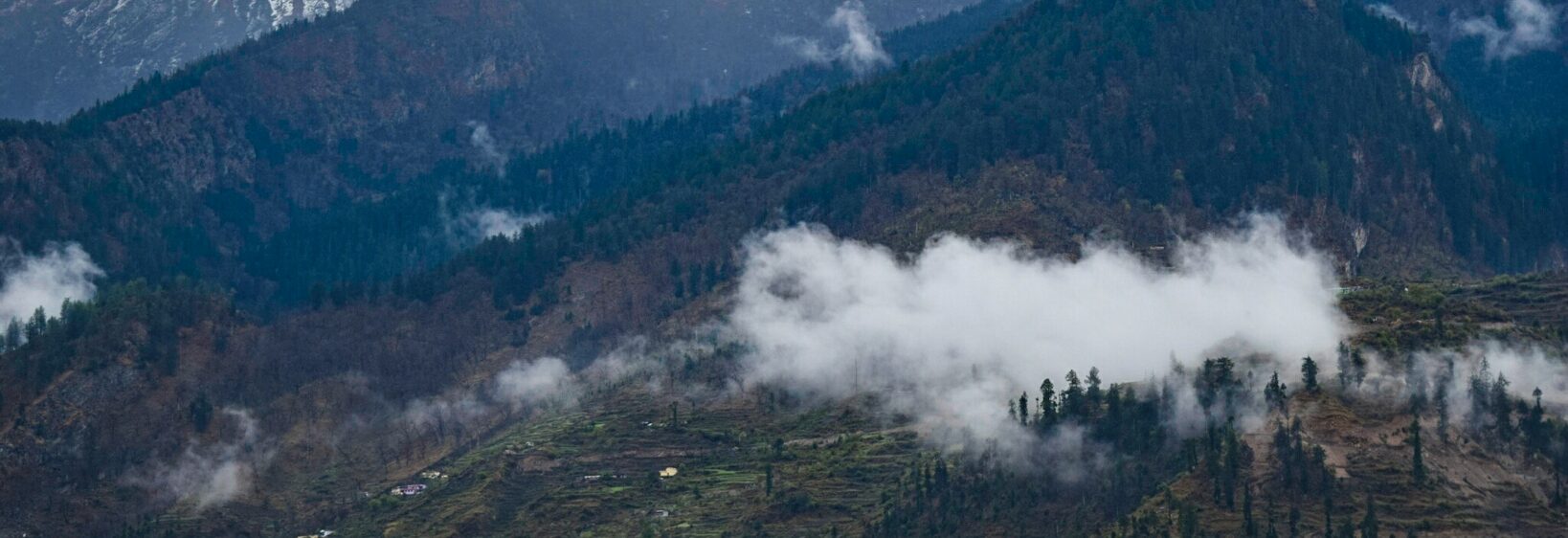
Almora’s ridges and tiled roofs provide a natural backdrop between ceremonies. A short walk can reveal terraced slopes, pine trees and distant Himalayan light, but the landscape should support the people rather than turn the wedding into a postcard. For travellers booking from Brisbane or Perth, local photography packages often work best when they allow extra time for weather, mountain roads and unplanned family moments.
Vidaai and the lasting photograph
The vidaai is emotionally restrained and deeply personal. As the bride leaves her family home, rice may be tossed backwards as a gesture of gratitude and prosperity. Tears, embraces and the quiet faces of elders create photographs with emotional weight, especially when captured from a respectful distance rather than staged.
A thoughtful visual record can preserve both ceremony and context. Readers wanting wider background on Pahari marriage customs can explore this cultural wedding guide, while the UK Photos Gallery provides further views of Uttarakhand’s temples, landscapes and local life. Together, these images show an Almora wedding as a family celebration rooted in place, memory and continuity.