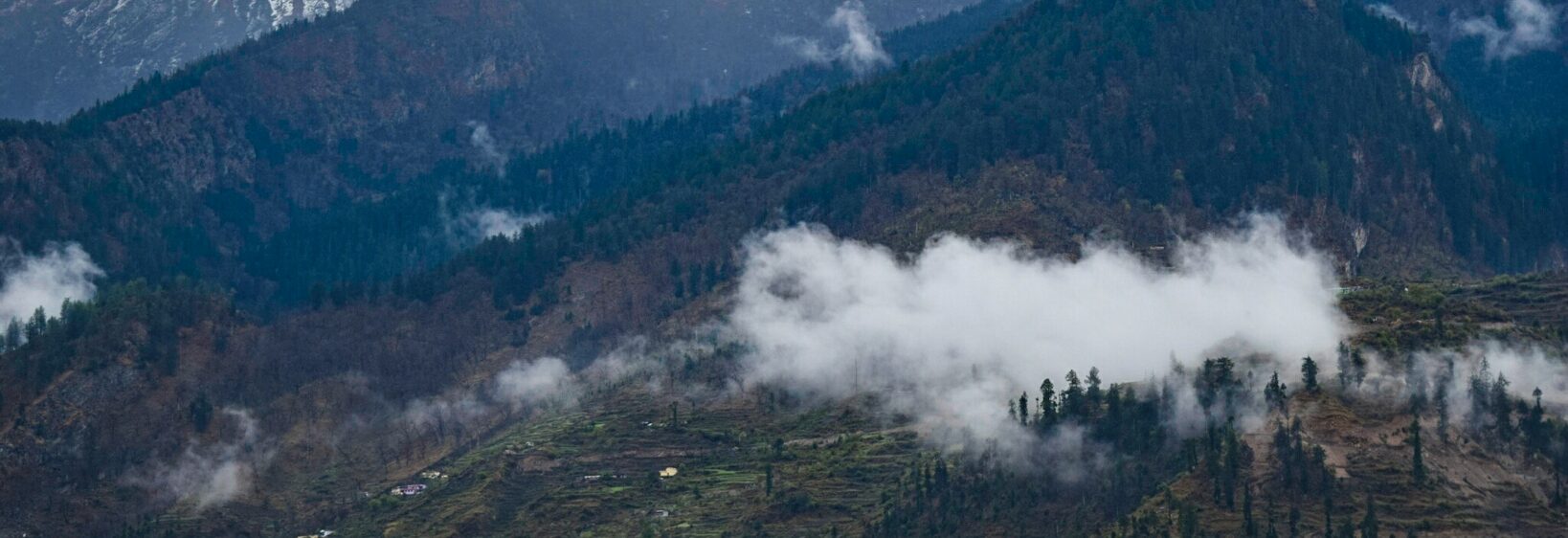
Photographing The Saryu River In Bageshwar
The Saryu River moves through Bageshwar with a calm, continuous energy, passing temple steps, stone embankments and the everyday life of Kumaon. For a photographer, its flowing water offers a simple subject with endless variations: silver ribbons, misty currents, reflected hills and patterns formed around rocks.
Long-exposure photography transforms that movement into a soft visual trail. A shutter speed of several seconds can make rapids appear silky, while a shorter exposure preserves individual splashes and the strength of the current. The best results come from combining technical control with attention to the river’s setting.
Bageshwar is especially rewarding during the early morning, when the light is gentle and the streets are quieter. The confluence around the town, nearby ghats and views towards the surrounding Himalayan foothills provide changing compositions as the sun rises.
For visitors travelling from Australia, the destination feels far removed from the urban pace of Sydney, Melbourne or Brisbane. It is a place where photography unfolds beside temple bells, local markets and mountain weather, rather than on a tightly scheduled sightseeing circuit.
Finding Strong River Compositions
Begin by walking along the accessible banks near Bagnath Temple and the riverside ghats. Look for leading lines created by the current, steps descending towards the water and bridges that draw the eye into the frame. A low viewpoint close to the bank can make foreground stones appear larger and give the river greater depth.
The meeting of the Saryu and Gomti rivers can provide a compelling composition, especially when the two currents show different textures or directions. Avoid placing the horizon directly through the centre of every image. A slightly higher viewpoint can reveal patterns in the water, while a low angle emphasises the movement around rocks.
A photograph does not need to show the entire river. Details such as wet stone, marigold offerings, prayer flags or a reflection of the temple architecture can communicate the character of Bageshwar. Always keep clear of slippery edges and respect worshippers using the ghats.
Camera Settings For Silky Water
Use a tripod on stable ground and begin with manual exposure. A shutter speed between one and four seconds often creates a smooth current while retaining shape in the water. For faster rapids, try 1/4 to 1/2 second; for a dreamy mist effect, exposures of ten seconds or longer may work when the light is subdued.
Keep the ISO low, usually between 64 and 200, and choose an aperture around f/8 to f/11 for detail across the scene. A neutral density filter is valuable after sunrise because it reduces incoming light without forcing the aperture too far beyond its sharpest range. A circular polariser can control glare, though it may remove attractive reflections if rotated too strongly.
Set focus before fitting a dark filter, then switch to manual focus. Use a two-second timer or a remote release to prevent vibration. Reviewing the histogram is more reliable than judging brightness on the rear screen, particularly in the intense mountain light.
Working With Light And Weather
Soft cloud is often ideal for river photography. It reduces harsh highlights on the water and gives the surrounding slopes a balanced appearance. Dawn can produce cool blue tones, while late afternoon adds warmth to temple walls and exposed rocks. Monsoon conditions create fuller currents but also bring slippery paths, sudden rain and muddy banks.
Winter mornings may offer exceptionally clear air, although frost and cold can drain batteries quickly. Carry a spare battery inside an insulated pocket, and allow cold equipment to warm gradually in a sealed bag to prevent condensation. Australian visitors accustomed to coastal humidity or dry inland heat should be prepared for rapid changes in mountain conditions.
A small microfibre cloth, rain cover and waterproof pouch are more useful than a large collection of lenses. A wide-angle lens suits river-and-landscape scenes, while a short telephoto can isolate swirling eddies and reflections. Photographers interested in quieter Himalayan environments may also enjoy this Brahma Tal trek, where lakeside compositions replace the river’s constant movement.
Respecting Bageshwar’s Living Landscape
The Saryu is part of religious and community life, not simply a scenic backdrop. Ask permission before photographing identifiable people, particularly during rituals, ceremonies or moments of prayer. Avoid placing a tripod across a path, blocking access to the water or standing too close to offerings.
The local market is most interesting when treated as part of the visual story rather than a staged set. Spice stalls, woollens, fruit, brass items and daily commerce can add colour and context to a photo series. Buying from small vendors is a practical way to support the town, while learning a few respectful Hindi or Kumaoni greetings helps create warmer interactions.
Australian travellers may recognise the value of Leave No Trace principles from bushwalking around the Blue Mountains or Tasmania. Carry out packaging, avoid touching religious objects and never enter restricted water areas for a better angle. A quiet presence usually produces stronger photographs than rushing between viewpoints.
Planning A Practical Photo Trip
The most comfortable photography schedule is simple: reach the river before sunrise, work through the first light, return for breakfast, then explore again in the late afternoon. Local transport and walking times should be allowed for, since mountain roads can be slower than distances on a map. A private car or local driver is useful when combining Bageshwar with other Kumaon destinations.
Travellers booking from the Australian market should compare small-group tours with private arrangements. A private vehicle offers more flexibility for changing weather and equipment, while a group package can reduce costs for accommodation and transfers. Check what is included, especially camera baggage, meals, permits and waiting time.
| Photographing Detail | Practical Choice | Result |
|---|---|---|
| Shutter speed | 1/4 to 4 seconds | Visible movement with flowing texture |
| Light | Dawn or overcast conditions | Softer highlights and balanced contrast |
| Support | Stable tripod and timer | Sharper rocks, temples and background |
| Filter | Variable or fixed ND filter | Longer exposure in brighter conditions |
| Composition | Ghats, bridges, rocks and reflections | A stronger sense of place |
After the shoot, keep the edits restrained. Lower highlights, adjust white balance and add modest clarity to the rocks without making the water look artificial. The most memorable images will retain the natural rhythm of the Saryu: movement framed by faith, mountain air and the everyday life of Bageshwar.