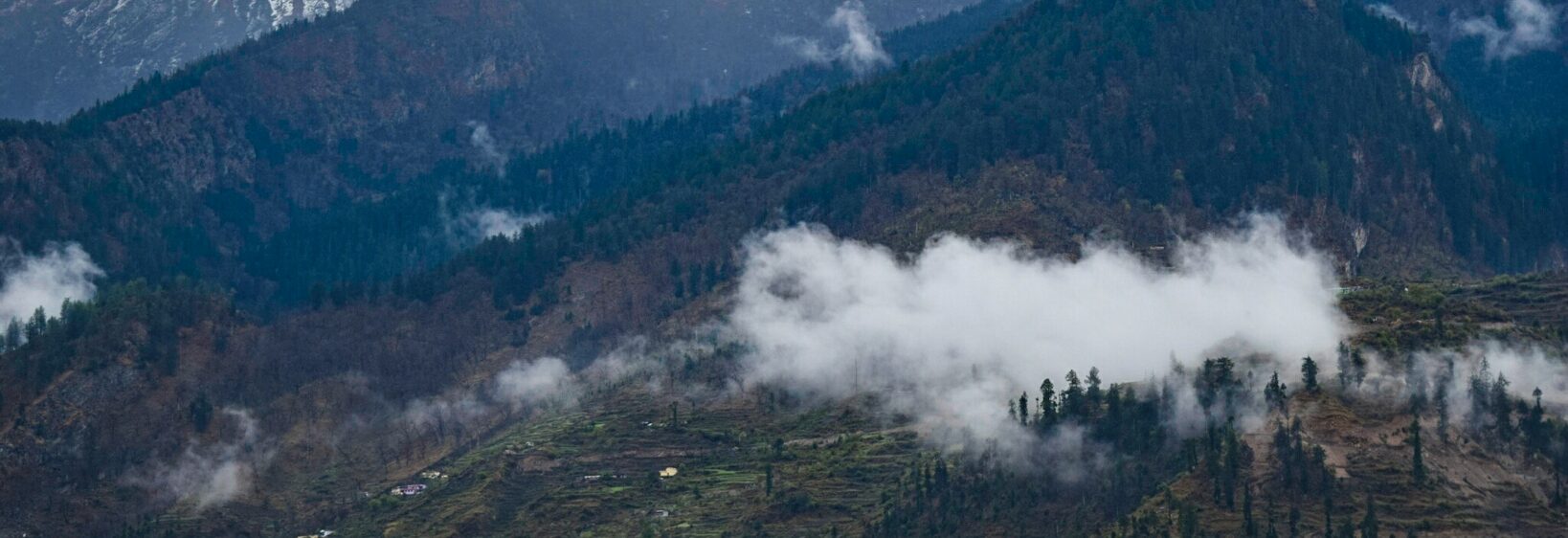
Gangnani Hot Springs: Steam and Bathers in a Himalayan Setting
On the road to Gangotri in Uttarakhand, Gangnani offers a quiet pause between river valleys, pine-covered slopes and high mountain settlements. The attraction is a natural hot-water spring where steam rises above bathing areas, creating an unusual contrast with the cool Himalayan air.
For Australian travellers, the experience is less like a developed spa and more like a local pilgrimage stop. Bathers arrive after visiting nearby temples or travelling through Uttarkashi, while the surrounding hills provide a simple, atmospheric setting for photographs and observation. The wider character of the region can be explored through Uttarakhand photo stories, which capture its landscapes, traditions and everyday life.
Where Gangnani Fits Into The Journey
Gangnani lies in Uttarkashi district on the route towards Harsil and Gangotri. Many visitors reach it by road from Uttarkashi, stopping at roadside cafés, shrines and viewpoints along the way. The journey is part of the experience: roads follow steep river valleys, and travel times can change considerably after rain, roadworks or traffic near pilgrimage centres.
The hot spring is traditionally associated with the nearby Rishikund area and local religious practice. It is common to see pilgrims bathing before continuing towards Gangotri, one of the important Char Dham destinations. Visitors should treat the site as a sacred public place rather than a resort pool, keeping voices low and asking before photographing people.
Steam, Water And Mountain Air
Water temperatures can vary between pools and may be uncomfortable or unsafe for some people. Test the water carefully with a hand or foot, follow local instructions and avoid entering if the heat feels excessive. Anyone with a health condition affected by heat should seek medical advice before bathing, and children need close supervision.
Facilities are generally practical rather than luxurious. Changing areas, steps, railings and cleanliness can vary with the season and recent maintenance. Carry a small towel, modest swimwear, sandals with a firm grip and a waterproof bag for valuables. In winter, the warm water can feel especially inviting, but the walk between the bathing area and changing space may be cold.
When To Go And What To Carry
Spring and autumn are often comfortable periods for travelling through the Garhwal Himalaya, with clearer conditions than the monsoon months. Summer can bring warmer daytime weather and heavier pilgrimage traffic. During the monsoon, landslides, slippery roads and sudden changes in river conditions can affect access, so checking local transport information before departure is sensible.
| Visitor priority | Useful timing or preparation |
|---|---|
| Pleasant road travel | Spring or autumn, subject to local weather |
| Fewer crowds | Early morning or outside major pilgrimage dates |
| Warm bathing experience | Cooler months, with extra dry clothing |
| Safer photography | Use a wrist strap and keep equipment away from splash zones |
| Comfortable transport | Allow buffer time for mountain roads and stops |
Travellers from Sydney, Melbourne or Brisbane may find the altitude and winding roads more tiring than expected, even when the bathing stop itself is restful. Australians accustomed to tap-and-go payments should carry Indian rupees because small cafés, changing facilities and roadside stalls may not accept cards. Sun protection is still important at altitude: sunglasses, SPF 50+ sunscreen and a hat are useful even on cool days.
Respecting A Living Pilgrimage Site
Modest clothing is the safest choice, particularly near temple buildings and communal bathing spaces. A quick rinse before entering, no soap or shampoo in the spring, and careful disposal of rubbish help protect the water and respect local customs. Men and women may use separate facilities or follow arrangements that change according to the site, so local guidance should take priority.
Photography needs particular care. Steam, wet surfaces and crowded platforms can damage cameras, while an unasked portrait can feel intrusive. For a broader visual sense of Uttarakhand’s hill architecture and colonial-era streets, this Landour walking tour offers a useful contrast to Gangnani’s religious and rural setting.
Planning A Responsible Visit
Book transport and accommodation with realistic expectations. Guesthouses along the route may offer basic rooms, hot meals and limited connectivity rather than the standards of a large hotel in Melbourne or Perth. Confirm whether a property has reliable heating, hot water, vehicle parking and flexible cancellation terms before paying a deposit.
Australian visitors should check current Indian visa requirements through official government sources and keep passport copies stored securely. Australian Consumer Law generally does not provide the same protections for services purchased directly from an overseas operator, so read tour terms, cancellation clauses and insurance exclusions carefully. When returning home, remember Australia’s strict biosecurity rules: declare food, plant material, animal products and muddy footwear, including trekking shoes used around the springs.
Gangnani works best as a respectful stop within a longer Uttarkashi or Gangotri journey. The appeal lies in the meeting of warm mineral water, cold mountain air, devotional activity and an unpolished natural setting—an experience shaped as much by local custom and landscape as by the spring itself.