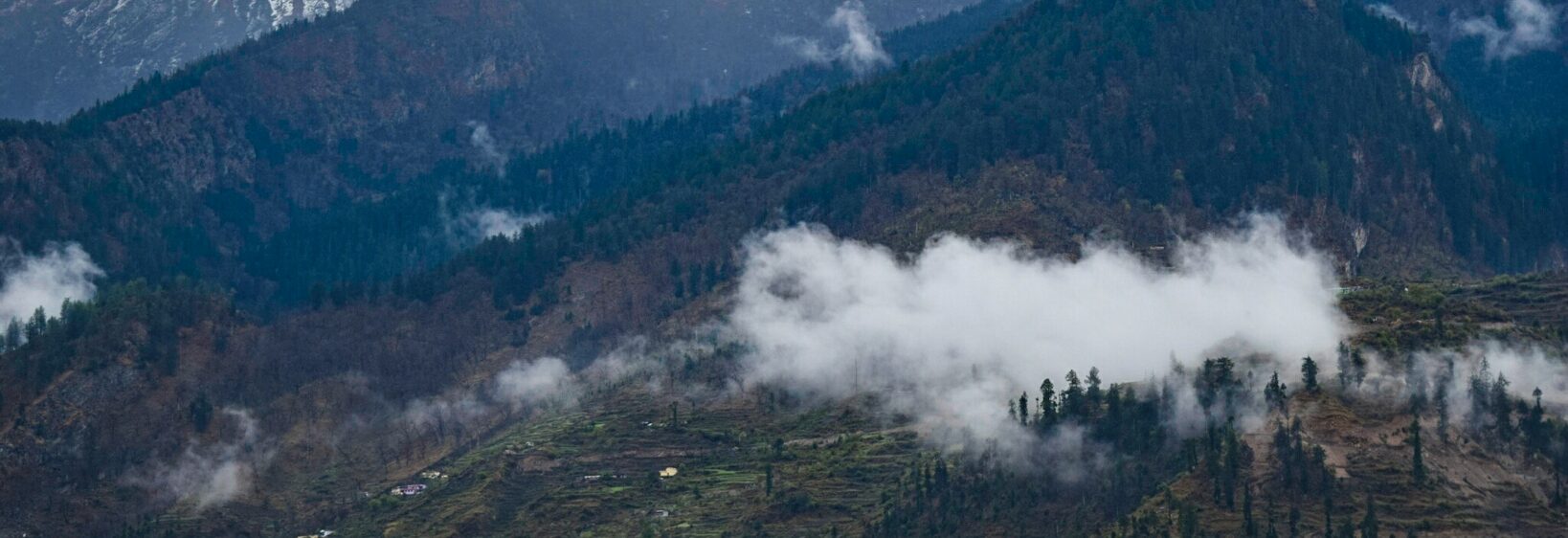
Morning Light At Sangam Ghat In Rudraprayag
The Sangam Ghat in Rudraprayag sits beside the meeting point of the Alaknanda and Mandakini rivers, where two powerful Himalayan waterways join before continuing through Uttarakhand. At first light, the riverbanks become especially atmospheric: pale peaks emerge through mist, temple bells carry across the water, and the changing current creates moving patterns of silver and green.
For visitors from Australia, this is a quieter alternative to crowded viewpoints and tightly timed sightseeing. A stay in Rudraprayag can connect naturally with a wider Garhwal journey through Rishikesh, Devprayag, Srinagar and Joshimath. The best experience comes from slowing down, observing local customs and allowing the morning to unfold rather than treating the ghat as a quick photo stop.
Where The Rivers Meet
Rudraprayag is one of Uttarakhand’s revered river confluence towns. The Mandakini descends from the Kedarnath region, while the Alaknanda arrives through a broader Himalayan valley. Their meeting gives the ghat its spiritual importance and makes the riverside a meaningful place for prayer, remembrance and quiet reflection.
Stone steps, shrines and nearby roads give the area a lived-in character. Pilgrims, residents and travellers may share the same space, but they do not all visit for the same reason. Some come for darshan, some to perform rituals, and others simply to watch the water. This mixture is part of the ghat’s appeal.
Aarti Before The Town Wakes
Morning aarti is shaped by the local temple calendar, season and priestly routine, so timings can change. Arriving around sunrise offers the best chance of seeing lamps, incense and devotional chanting without assuming that a formal ceremony will take place at a fixed tourist schedule. Ask locally or confirm with accommodation staff the previous evening.
During aarti, visitors should stand to the side unless invited to participate. Dress modestly, keep voices low and avoid stepping across ritual items. Photography is welcome in many outdoor areas, but it should never interrupt prayer or focus closely on people without permission.
River Reflections And Photography
The water is often most photogenic when the sun is still low. Warm light touches the surrounding slopes while cooler shadows remain along the gorge, producing reflections that shift whenever a breeze or passing current breaks the surface. A phone can capture the atmosphere, though a small tripod and polarising filter are useful for keen photographers.
Try framing the lamps, temple details and river together rather than photographing only the confluence. Leave room in the image for the sky and opposite bank, and take a moment to watch before lifting the camera. For a broader cultural story, the visual details in these Pahari wedding rituals can also help visitors understand the symbolism and colours found across Uttarakhand.
A Respectful Riverside Visit
The ghat is a sacred public place, not a staged attraction. Avoid throwing plastic, food wrappers or synthetic offerings into the river. If you wish to make an offering, choose biodegradable materials and follow the guidance of local worshippers. Shoes may need to be removed near particular shrines, while river edges can be slippery, especially after rain.
Australian travellers may recognise the importance of water and Country in Indigenous cultural settings around Sydney, Brisbane or Perth, although the traditions here are distinct. That comparison can encourage attentiveness, but it should not replace learning from local customs. Ask before filming ceremonies, portraits or private acts of worship.
Planning A Journey From Australia
Travellers flying from Melbourne or Sydney will usually need to combine international travel with a domestic connection and a road journey into the hills. Build in extra time for mountain traffic, landslides and weather-related delays. The route is beautiful but slower than an Australian highway, with bends, narrow sections and frequent settlement traffic.
Budgeting in Australian dollars is useful, but carry Indian rupees for small cafés, drivers, temple donations and village shops, since card facilities and reliable mobile payments may be limited. Australian school-holiday periods can increase demand for accommodation, while the warmer months may suit visitors who want clearer access to mountain roads. Pack layers even if the forecast looks mild in Delhi or Rishikesh.
A Practical Morning Checklist
A simple plan helps preserve the calm of the riverside while keeping the visit comfortable:
- Arrive before sunrise with a torch, warm layer and secure footwear.
- Confirm the day’s aarti timing with a local hotel, priest or guide.
- Carry water, small cash and a reusable bag for personal rubbish.
- Use a low light setting and ask permission before photographing people.
- Keep several hours available for weather, traffic and unplanned temple visits.
After the ceremony, pause at a local tea stall or return to your guesthouse for breakfast before continuing towards Devprayag, Chopta or other Garhwal destinations. The memory of Rudraprayag often comes from small details—the sound of bells, a copper lamp reflected in moving water and the quiet transition from prayerful dawn to an ordinary mountain morning.