The Joshimath Narsingh Temple: ancient idol and evening arti shots
In the highland town of Joshimath, faith, mountain life and photography meet inside the Narsingh Temple. The shrine is dedicated to Lord Vishnu’s half-man, half-lion incarnation, known here as Narsingh, and is closely connected with the winter worship of Badrinath.
For visitors from Australia, the temple offers a very different visual experience from a cathedral in Melbourne or a coastal sunrise near Sydney. The warm glow of oil lamps, carved wood, ringing bells and pilgrims moving through the courtyard create intimate scenes that reward patience rather than hurried sightseeing.
This is a place to photograph with care. The idol is sacred, the evening arti is a living act of devotion, and local priests may restrict cameras in particular areas. A respectful image will usually say more than a rushed collection of shots.
Where the temple fits into Joshimath
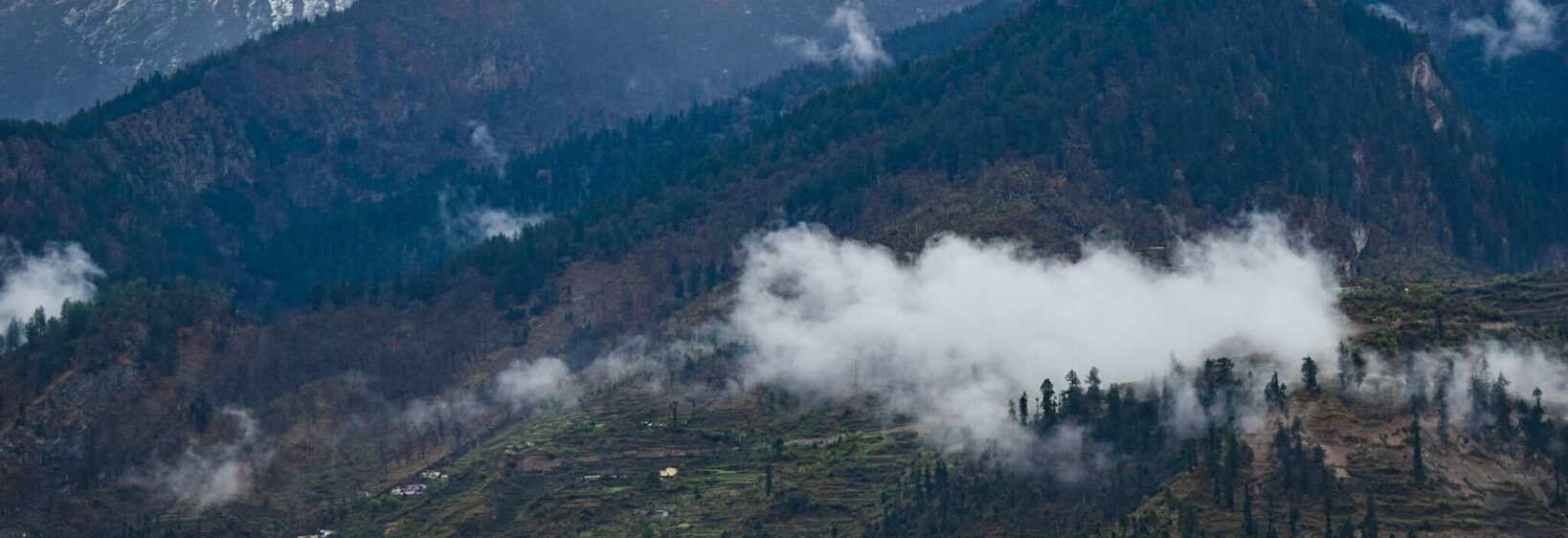
Joshimath, also called Jyotirmath, stands in Chamoli district at roughly 1,875 metres above sea level. It is a gateway to Badrinath, Auli, Valley of Flowers and several high Himalayan routes. The town’s steep streets, busy markets and mountain views make the journey part of the experience.
The Narsingh Temple is especially important during the colder months, when the idol associated with Badrinath’s worship is brought here according to the seasonal pilgrimage tradition. This connection gives the shrine a significance beyond its modest appearance and makes it an essential stop on a Garhwal cultural itinerary.
Travellers planning a longer route can find regional inspiration through Uttarakhand photo stories, including visual guides to temples, villages and hill destinations.
The ancient idol and its legends
Inside the sanctum, the black stone image of Lord Narsingh is the spiritual focus. Local belief describes the deity’s right arm as gradually becoming thinner. According to the legend, when the arm finally falls away, the route to Badrinath will be blocked and the sacred future shrine of Bhavishya Badri will become the principal centre of worship.
The story should be approached as part of local religious tradition rather than treated as a prediction to test. Look closely at the temple’s atmosphere, the flowers placed before the image and the rhythm of prayer. Photography inside the sanctum may be limited, so ask before lifting a camera or phone.
Arriving before the evening arti
Evening arti times can change with the season, festival calendar and temple arrangements. Check locally on the day, arrive early and keep a few quiet minutes before the lamps appear. The courtyard often becomes more crowded as worshippers gather, so an early position gives a clearer view without pushing towards the front.
Dress modestly and remove shoes where required. A scarf or light jacket is useful in Joshimath after sunset, even during a sunny day. Visitors accustomed to an Australian weekend market in Brisbane or Adelaide may notice a slower, more communal rhythm here, with families, pilgrims and shopkeepers sharing the same narrow lanes.
Photographing lamp light respectfully
For evening arti shots, use a fast lens and raise the ISO rather than relying on flash. A shutter speed around 1/125 second can freeze moving hands and flames, while a wider aperture helps separate the lamps from the darker temple background. If tripods are not permitted, brace gently against a wall or use image stabilisation.
Focus on details: a brass lamp, marigold petals, smoke curling towards the roof, or the priest’s hands moving through the ritual. Avoid photographing worshippers closely without consent. A compact camera or silent phone is less intrusive than a large setup, particularly when the temple is full.
Building a wider visual journey
The temple works well as part of a photo route through Joshimath rather than as an isolated stop. Pair it with morning streets, mountain light around Auli and the changing colours of the Alaknanda valley. Early starts are worthwhile, especially for travellers used to strong sun and open landscapes in Perth or the Northern Territory.
For photographers comparing Himalayan light with familiar Australian landscapes, the contrast is useful. A sunrise plan for Nainital’s Cheena Peak offers another example of how timing, weather and walking effort shape a mountain image.
Practical notes for Australian visitors
Carry Indian rupees for small offerings, tea and local transport, since smaller Joshimath businesses may not accept international cards. Keep some low-value notes, as you might when visiting a regional market outside Sydney. India’s GST is included in many formal prices, but informal purchases and donations should still be clarified politely.
Altitude, winding roads and sudden weather changes can affect plans. Allow extra time if travelling from Delhi, Dehradun or Rishikesh, and avoid scheduling the temple visit immediately before a long mountain transfer. Travel insurance, suitable walking shoes and a warm layer are sensible additions for an Australian itinerary.
| Visit element | Useful approach | Photography idea |
|---|---|---|
| Ancient idol | Follow priestly instructions and avoid unauthorised images | Record surrounding details rather than forcing a close shot |
| Evening arti | Arrive early and confirm the current timing | Capture lamp trails, smoke and warm reflections |
| Temple courtyard | Dress modestly and keep pathways clear | Use a quiet, observational composition |
| Joshimath market | Carry small rupee notes and ask before photographing people | Pair street scenes with local textures and colour |