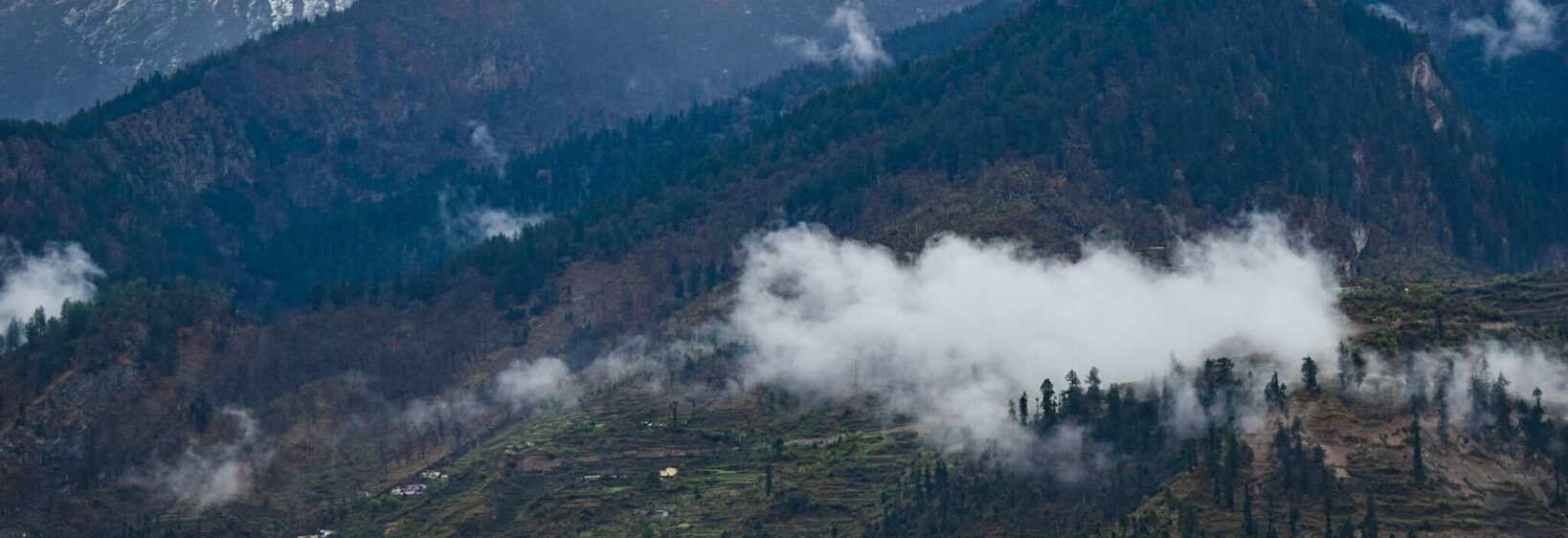
The Patal Rudreshwar Cave Beneath the Bhilangana River
Few natural wonders in the Indian Himalayas combine the raw geological drama of a flooded limestone cavern with a living pilgrimage site. The Patal Rudreshwar Cave, tucked into the folds of Tehri Garhwal, draws travellers who want more than postcard views. Inside, a Shivalinga sits perpetually submerged in crystal-clear spring water, and visitors wade chest-deep to reach it. The effect is equal parts spiritual theatre and adventure trek, and it leaves even seasoned backpackers silent for a moment.
For Australian travellers, the route typically begins with a long-haul flight from Sydney or Melbourne to Delhi, then a connecting service to Dehradun or Rishikesh. The drive north winds through pine forests that, on a foggy winter arvo, feel strangely familiar to anyone who has driven through the Dandenongs. Most pilgrims pair the cave with a broader Uttarakhand circuit, weaving together yoga ashrams, hill stations, and a string of waterfalls that cascade off the lower Shivalik slopes. It is the kind of trip that rewards a slow traveller, not a checklist one.
The cave's biggest draw, beyond the sacred object itself, is the unusual problem of photographing a sanctum that lies partly underwater. Natural daylight never enters the chamber, so every image requires artificial illumination. This is where the site becomes a quiet obsession for landscape and travel photographers. The interplay of torchlight, ripples, and the Shivalinga's polished surface offers a visual puzzle that simply does not exist at dry-land temples.
Where the River Meets the Mountain
The Patal Rudreshwar site sits along the Bhilangana River, roughly between Ghansali and the larger Tehri town. Reaching the entrance involves a short but slippery descent from a small parking area, then a walk across river boulders. During the post-monsoon months of October and November, water levels drop enough for visitors to enter, though the flow never truly stops. Local guides, often from nearby villages, handle the safety ropes and help visitors time their swim against the current.
The cave itself is essentially a single large chamber, perhaps forty metres across, with a low ceiling of dripping limestone. Stalactites hang like petrified icicles above the pool, and the acoustics amplify every breath and splash. Because there is no boardwalk or paved path, mobility is limited to wading and scrambling. Travellers with knee concerns, or anyone who relies on sturdy footwear, should treat the visit as a moderate trek rather than a casual stroll.
A Shivalinga Beneath the Water
According to local lore, the cave has been venerated for centuries, with references appearing in older Garhwali folk songs and the oral traditions of the Semwal and Rawat communities. The submerged Shivalinga is said to mark the spot where Lord Shiva himself manifested in his underworld form, which gives the cave its name: Patal, meaning netherworld, and Rudreshwar, the fierce aspect of Shiva. Pilgrims believe that touching the water above the linga cleanses them of accumulated misdeeds, a belief strong enough to bring devotees even from as far as South India during Shivaratri.
Devotees typically arrive before 7 a.m., when the water is calmest and the queue is shortest. Offerings of milk, bel leaves, and small brass lamps are made at the rim of the pool, though the actual linga remains hidden beneath the surface. Priests stand on a small raised platform and assist visitors who wish to pour libations directly above the sanctum. The mood is hushed, and photography is permitted only with respect, which means no flash and no selfies from the platform.
Lighting the Underwater Sanctum
Shooting inside Patal Rudreshwar is the kind of technical exercise that humbles even confident photographers. The ceiling blocks all ambient light, and the water reflects whatever torch or strobe you bring in, often in unpredictable ways. A wide aperture lens set between f/2.8 and f/4 is essential, paired with ISO values that can climb past 3200 without losing too much detail. Off-camera flash, ideally mounted on a small tray above the waterline, tends to render the linga's polished stone more honestly than a direct on-camera burst.
The second challenge is colour temperature. Underwater torch beams skew heavily green or yellow, and the limestone itself throws back a cool bluish cast. Most experienced shooters who document the site bracket their white balance manually, then later choose between a warm, candlelit feel or a colder, more otherworldly tone in post. Tripods are impractical on wet rocks, so monopods or simply bracing against the chamber wall becomes the norm. Handholding a 24-70mm lens at one-fifteenth of a second is genuinely difficult while standing chest-deep in moving water.
A few practical tips for the journey:
- Pack a waterproof backpack rated to at least IPX7, since splash and slip incidents are common.
- Carry two torches per person: one wide-beam for navigation, one narrow-beam for accent lighting.
- Bring microfibre cloths in sealed bags, because the humidity is relentless.
- Charge all batteries the night before, as no electricity is available near the cave.
Timing and Seasonal Conditions
When to plan the visit matters more than many travellers realise. May and June bring swollen rivers that make the cave unsafe, while the peak monsoon between mid-July and late August is best avoided entirely. The October to December window remains the most reliable, with clear mornings, manageable water, and crisp air that helps torch beams cut cleanly through the cave atmosphere. Travellers heading out from Sydney in their winter will land in Uttarakhand's pleasant autumn, which is arguably the best season of all.
Spring, around March and early April, offers a second workable window. The rivers are still manageable, the surrounding rhododendron forests are in bloom, and the photo conditions remain reasonably stable. Summer visitors from Brisbane or Perth often arrive during this period because it lines up with Australian school holidays, which makes planning a family pilgrimage more practical. Anyone considering a winter trip should pack thermal layers, since morning temperatures near the river can drop close to freezing.
How Australian Travellers Experience the Site
The Indian diaspora in Australia, particularly the large Punjabi and Tamil communities across Melbourne, Sydney, and Brisbane, often return home for pilgrimages like this. For non-Indian Australians, the cave pairs naturally with the broader Char Dham circuit, which can be slotted into a longer Uttarakhand itinerary. Tour operators in Rishikesh now offer small-group departures that handle permits, transport, and the more difficult wade-in sections, a structure familiar to anyone who has booked an Outback adventure tour out of Alice Springs.
Money, language, and food also feel surprisingly manageable. Indian rupees can be exchanged at major Australian banks before departure, though carrying some Australian dollars for emergency conversion at Delhi airport is wise. Hindi phrases go a long way in the Garhwal hills, and most guides speak enough English to handle the basics. Vegetarian travellers will find the food effortless, while those who need their morning coffee can pick up filter coffee at the larger dhabas in Tehri. Broader trip planning resources, including detailed route notes for other Garhwal sites, are easy to find on UK Photos Gallery, which has built a strong archive of Uttarakhand photography guides.
A small checklist before flying out from Australia:
- Apply for the Indian e-Visa at least a week before departure, since approval is rarely instant.
- Buy travel insurance that explicitly covers trekking and water-based activities.
- Carry a printed copy of your hotel bookings and the cave guide's contact details.
- Pack a lightweight dry-bag inside your main luggage for camera gear.
Nearby Stops Worth Adding to the Trip
Most visitors spend at least one extra night in the Bhilangana valley to recover before continuing on. The riverbanks near the village of Ghansali make a gentle evening stop, and a handful of modest guesthouses serve hot thukpa and chai by the fire. Photography enthusiasts often detour further north towards the hill towns, while pilgrims tend to extend their route towards Rudraprayag or Rishikesh for a closing dip in the Ganges.
A short drive away, the region also hides several lesser-known cascades that complement the cave visit. One favourite among road-trippers is the Lachhmandhar Waterfall near Dehradun, which sits conveniently along the return route to the plains and offers a softer, sunlit counterpoint to the dark cave experience. The waterfall is also a forgiving stop for travellers who want a relaxed photo session after the more demanding wade through the Bhilangana, and it pairs naturally with a slow drive back towards the Dehradun railhead.