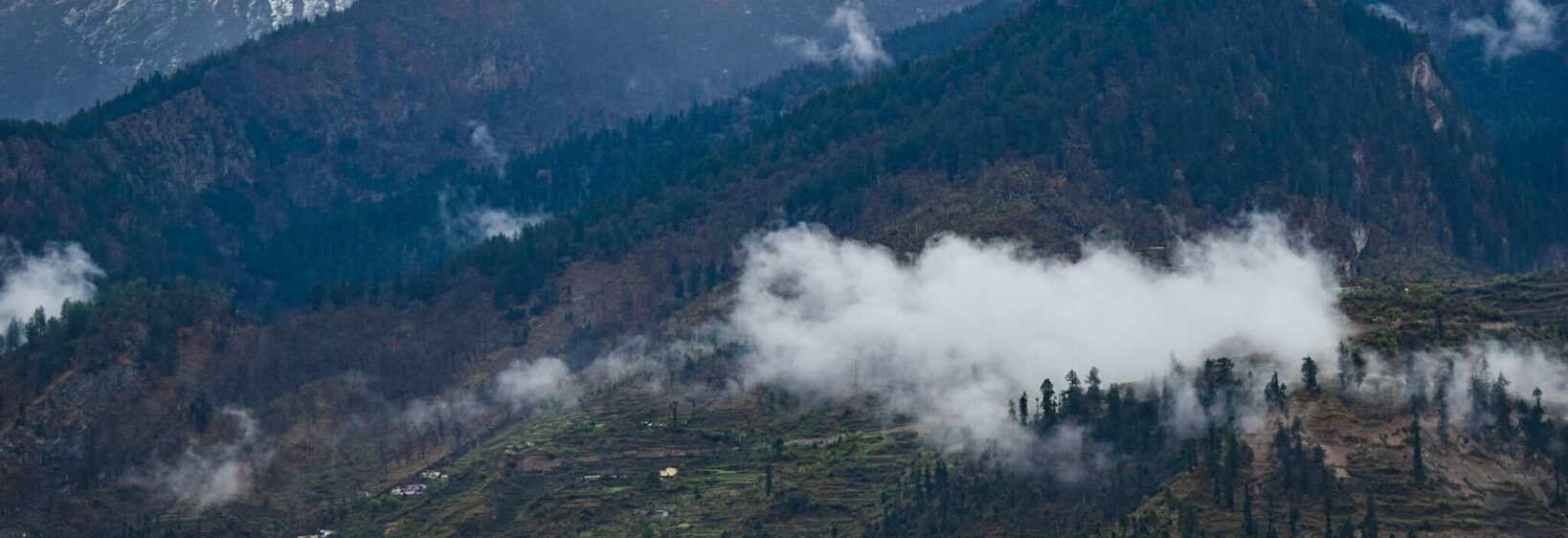
Almora Lathiya Bazaar Weaves Tradition into Every Thread
High in the Kumaon hills of Uttarakhand, the town of Almora sits at roughly 1,638 metres, wrapped in pine forests and terraced fields. Its narrow lanes gather around a flat ridge, and at the heart of the old settlement lies Lathiya Bazaar, a market that has traded in handloom cloth and mountain goods for generations. Travellers who climb the winding road from the plains arrive at a place where everyday shopping still feels like stepping into a living museum.
The bazaar takes its name from the lathiya, the wooden lattice balconies that hang over the cobbled lanes, catching the afternoon sun. Beneath these carved balconies, looms click, brassware glints in the shadows, and wool from the surrounding hills is washed, spun and dyed within sight of the stalls that sell it. For visitors used to the open-air buzz of Melbourne's Queen Victoria Market or the weekend craft stalls at Sydney's Carriageworks, the atmosphere here is slower, deeper, and bound to the rhythm of the seasons.
Lathiya Bazaar is not a polished tourist trap but a working market, where Almora's residents buy saris, shawls, cooking pots and temple offerings alongside trekkers stocking up for the nearby trails. Photographers, cultural travellers and lovers of textile heritage find plenty to linger over, especially in the quieter hours of the morning when the light slants across the rooftops and the weavers settle at their looms.
The market also acts as a doorway to the wider Kumaon region, sitting close to trails leading to peaks such as Binsar and Jalana, and not far from the wildlife-rich forests around the Askot sanctuary. A stop here rewards travellers interested in crafts that rarely survive in mass-market form anywhere else.
A Market on a Mountain Ridge
Almora's geography shapes the bazaar's character. The town perches on a saddle between two valleys, and Lathiya Bazaar sits along the central spine where the old Mall Road meets the lanes that drop toward the river. From the upper edge of the market, the snowy peaks of Nanda Devi and Trishul float above the southern horizon on a clear day, a view that has inspired painters and weavers for centuries.
Because of the altitude, winters are crisp and woollen goods dominate the season. Summers bring cotton, light silks and dyed fabrics. The market's rhythm follows this cycle, with traders swapping stock as the weather shifts. Travellers from Hobart, used to Tasmania's cool climate and strong wool heritage, often feel a particular kinship with the heavy shawls and tweed-like weaves stacked in Almora's stalls.
Where Handlooms Still Speak
The soul of Lathiya Bazaar lies in its handloom workshops. Many of the weavers belong to families who have worked the same wooden pit looms for several generations, producing the patterned shawls, stoles and fabric lengths known locally as pankhi and chhant. Visitors can watch threads being hand-dyed with pigments from walnut husks, madder root and indigo, then loaded onto the loom in careful sequences.
Some workshops welcome visitors by invitation, while others are simply visible from the lane. The cloth that emerges carries the slight unevenness of true handwork, a quality that mass-produced textiles cannot imitate. Australian travellers familiar with the slow-fashion movement around Brunswick or Fitzroy in Melbourne will recognise the same value placed on texture, story and provenance.
Among the traditional Kumaoni textile patterns still woven here, a few stand out:
- Chamba-style floral rumal motifs stitched into soft shawls
- Geometric pankhi borders running along the edges of stoles
- Fine chhant weaves with small repeating diamond fields
- Plain fabrics finished with densely embroidered end pieces
Wool, Cotton and Quiet Looms
The bazaar is best known for its woollen goods, drawn from local sheep flocks that graze the high meadows. Thick blankets, embroidered shawls, and patterned mufflers make up the winter stock, while summer offers lighter cotton pieces and silk-blended fabrics. Wool buyers from Australia, a country that lives by its fleece industry, often remark on how raw the unspun wool looks here, fresh from the carding wheels.
The colours come from natural sources wherever possible: deep browns from walnut, soft yellows from turmeric, rusty reds from madder. A few workshops have begun reviving older Kumaoni patterns that had nearly vanished, weaving them into stoles and rumals that appeal to both locals and visitors.
Copper, Brass and Carved Wood
Beyond textiles, Lathiya Bazaar is lined with metalworkers and wood carvers. Small workshops turn out brass lotas, copper tumblers, and ritual vessels used in nearby temples. The carved wooden balconies that give the market its name are still maintained by artisans who shape cedar beams into geometric and floral motifs.
Wander deeper into the lanes and you may find makers of traditional jewellery, wooden toys and hand-stitched leather bags. Many of these goods are produced in tiny family units, where children learn the trade by watching their elders. The result is a market that feels less like a shopping strip and more like a guild street, comparable in spirit to the artisan quarters found in places like Sydney's Paddington or the craft sheds of Adelaide's Hahndorf.
A Practical Day in the Bazaar
Most visitors arrive on foot, having walked up from the taxi stand or the bus terminal. The market wakes early, and by mid-morning the lanes are busy but not crowded. A few shops open only after lunch, while others stay open until dusk.
For those planning to buy, here are a few useful items to look out for:
- A thick handwoven shawl or stole in a traditional Kumaoni pattern
- A set of brass or copper vessels from the metalworkers' lane
- A piece of naturally dyed cotton fabric, ideal for travel clothes
- A small carved wooden box or decorative panel as a keepsake
Cash is king in most stalls, though some larger shops accept digital payments. Bargaining is expected for non-fixed-price goods, but it should always stay friendly and light.
Carrying the Hills Back Home
Leaving Lathiya Bazaar, travellers often find their bags heavier than planned, filled with fabrics that smell faintly of walnut dye and woodsmoke. The market rewards unhurried visitors who treat it as a conversation rather than a transaction.
For those who want to explore more of Uttarakhand's natural side, the UK Photos Gallery website offers plenty of guidance on neighbouring trails and sanctuaries. Whether you come for the looms, the views, or the warmth of a mountain afternoon, Almora's old market leaves a long, woven memory behind.