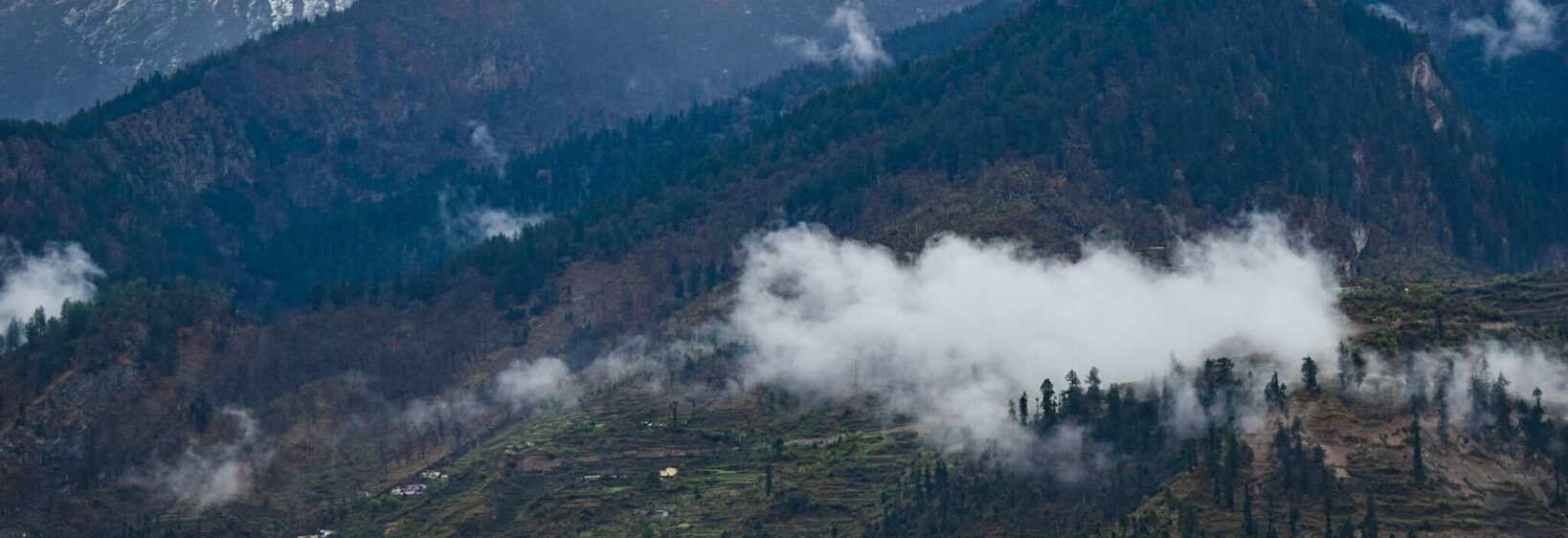
Kundeshwar Mahadev Temple: Riverside Shrine of Natural Springs
Nestled along the banks of a gently flowing river in the Kumaon foothills, the Kundeshwar Mahadev Temple draws pilgrims and curious travellers with its unusual combination of sacred water and forested surroundings. The shrine, dedicated to Lord Shiva, has long served as a quiet place for meditation, ritual bathing, and reflection, far from the busier circuits of Char Dham Yatra.
For visitors arriving from Australia, the temple offers a chance to slow down and connect with a landscape that feels worlds away from the coastal bustle of Sydney or the laneway cafés of Melbourne. The air carries the sound of flowing water and rustling sal trees, and the rhythm of the day shifts to something softer and less hurried than the typical Aussie work week.
A Riverside Setting in the Kumaon Belt
The temple sits on the edge of a river that swells during the monsoon and slows to a clear trickle by April. Pilgrims often begin the day with a walk along the sandy banks, watching the water catch the early light. Local priests perform the morning aarti on a stone platform that juts out over the river, and devotees gather to pour milk and offer bilva leaves at the shivling just as the mist clears from the opposite hillside.
Unlike the manicured river walks found along the Yarra in Melbourne, the setting here is wilder and less structured. Fishermen cast nets in the shallows, and children play on the rocks while elders sit under neem trees sharing stories. The temple committee has kept the riverbank largely free of concrete, allowing the natural shape of the shoreline to remain intact.
The Sacred Springs
The name "Kundeshwar" itself refers to a kund, or natural spring, that emerges from the earth near the shrine. Several smaller springs bubble up through the gravel bed and feed into the river, creating pockets of cold, mineral-rich water that pilgrims consider especially purifying. A rectangular tank has been carved around the main spring so that devotees can bathe safely before entering the inner sanctum.
Hydrologists who have surveyed the area note that the springs are fed by underground aquifers in the lower Shivalik ranges, which is why the flow stays steady even during dry summers. For travellers used to swimming at Bondi or fishing in the freshwater reaches of the Murray, the experience is quite different: the water is sacred, and etiquette requires rinsing before entering and dressing modestly within the temple grounds.
Legends and Religious Significance
Local lore holds that the sage Kundadharma once performed penance at this spot, and the spring is said to have appeared in response to his devotion. Devotees believe that Lord Shiva, pleased by the sage's persistence, chose to make the site his permanent home, and the shivling inside the temple is considered swayambhu, or self-manifested.
The temple also features a small shrine dedicated to Goddess Parvati, and the surrounding complex includes a Hanuman temple and a community hall used during Navratri. Pilgrims travelling from Delhi and Dehradun often combine a visit here with stops at other Kumaon shrines, building a longer circuit that rewards the slow traveller.
Architecture and Surrounding Landscape
The main temple structure follows the classic North Indian nagara style, with a tall shikhara rising above a stone sanctum. The walls are adorned with carvings of river goddesses, floral motifs, and scenes from the Shiva Purana. Around the complex, stone steps lead down to the ghats where the priests guide devotees through the rituals.
Surrounding the temple is a stretch of sal and sheesham forest that has been partially preserved as a community grove. Birdwatchers frequently spot kingfishers, drongos, and the occasional Indian roller, making it a rewarding detour for nature lovers who want to balance their pilgrimage with a bit of bushwalking in terrain that recalls parts of the Daintree back home.
Visiting from Australia
Reaching the temple from Australia usually involves a flight to Delhi via Singapore, Kuala Lumpur, or a direct connection with Qantas. Most travellers then take an overnight train or a private car to the Kumaon region, which adds a layer of adventure that appeals to the Aussie appetite for road trips. Once on the ground, the pace is unhurried, and the locals greet visitors with a warm "Ram Ram" or a friendly "Namaste" that echoes the easygoing mate culture found back home.
Time zone logistics matter too: India runs five and a half hours behind the east coast, which means a morning puja in Kumaon can line up neatly with an arvo coffee break in Brisbane. Carry an esky if you plan to bring snacks from the road, since the temple's prasad kitchen serves only vegetarian fare and outside food is restricted on the ghats.
Cultural Connections and Nearby Pilgrimage Sites
For Australian devotees, the temple fits neatly into a longer itinerary through Uttarakhand that includes the spiritual centres of Rishikesh, Haridwar, and the nearby Neelkanth Mahadev. Those interested in photographing the ashram experience can also follow a helpful Kainchi Dham photo guide that documents the daily rhythm of life around another revered Kumaon shrine.
Many Indian diaspora families from Sydney, Melbourne, and Perth make a point of visiting during the Shravan month, when the temple hosts extended evening aartis and small cultural performances. For more travel inspiration and photo stories across the region, the UK Photos Gallery collects guides, temple features, and route suggestions for travellers interested in Uttarakhand.
Practical tips for the journey:
- Carry modest clothing that covers shoulders and knees, especially for women entering the inner sanctum.
- Keep a small cloth bag for offerings of milk, flowers, and bilva leaves purchased from local vendors.
- Avoid leather items on the ghats, as they are considered impure near the river.
- Plan to stay until evening to watch the aarti lit by brass lamps against the darkening river.
Best seasons for a pilgrimage:
- Autumn (October to November) brings clear skies and mild temperatures.
- Spring (March to April) offers flowering rhododendrons and warm days.
- Shravan (July to August) is the most festive but also the wettest.