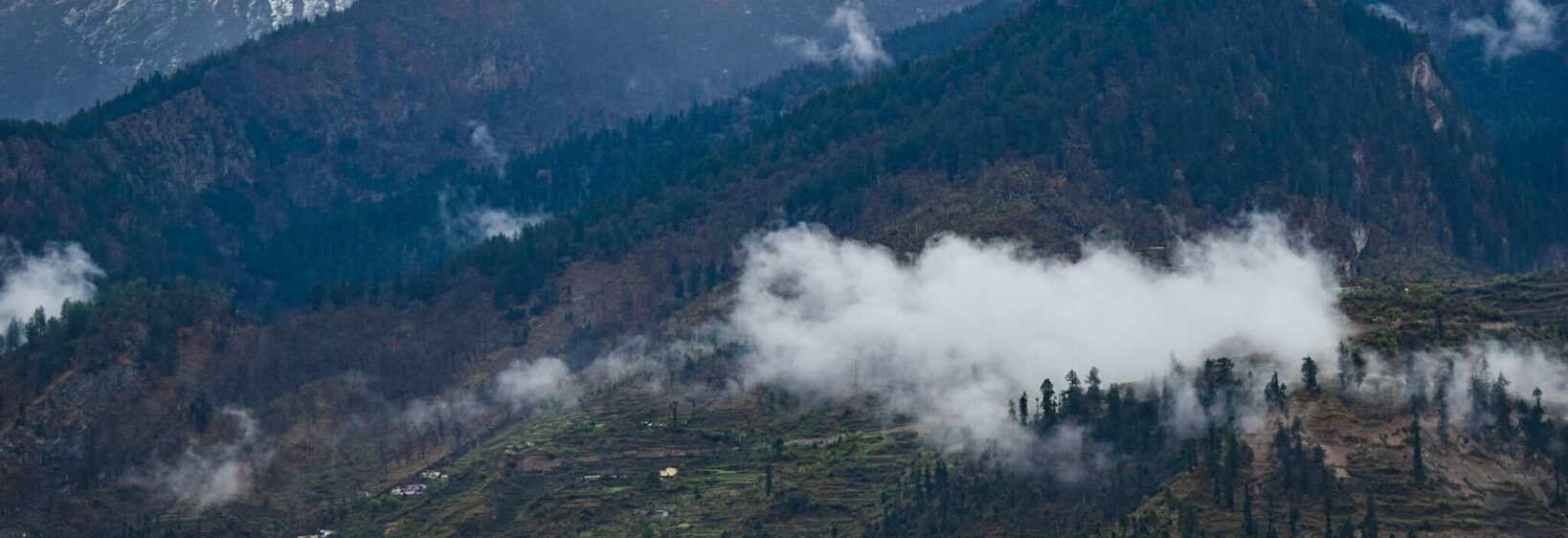
The Dogi Tos Nala: a subtle waterfall hidden in the Garhwal foothills
The Garhwal foothills hold quiet secrets that rarely appear on tourist maps. Tucked away from the busier circuits of Rishikesh and Mussoorie, the Dogi Tos Nala is a modest cascade that rewards those who wander a little off the main road. The falls don't roar like a Himalayan torrent but whisper through mossy boulders and pine needles in a way that feels intimate and grounding.
Recent years have brought a quiet rise in visitors from cities like Sydney, Melbourne, and Brisbane choosing northern India for slow, reflective holidays. Many Australians arrive on direct flights from Sydney to Delhi, then travel onward by overnight train or private car toward the lower Garhwal ranges. The region's gentle climate between September and November suits travellers accustomed to the dry heat of inland Australia.
The Dogi Tos Nala sits within a landscape shaped by glacial melt and ancient forest, where cedar and rhododendron line narrow tracks. Local villagers describe the fall by its murmuring sound — "dogi" meaning a soft sway and "tos" a quiet drop — giving the place a poetic identity tied to Garhwali folk traditions. Photographers chasing soft-light scenes will find the diffused canopy ideal for long-exposure work.
This guide gathers practical advice, photography notes, and cultural insights to help you plan a visit that respects both the environment and the local communities.
How to reach the trailhead from Dehradun and Rishikesh
Most travellers begin from Dehradun's Jolly Grant Airport or Rishikesh's railway stations. The drive toward the lower Garhwal ranges takes roughly two to three hours, winding through terraced fields and hamlets where women wash clothes in roadside streams. Shared jeeps leave from Rishikesh's bus stand in the morning, though a private car offers more flexibility.
From the main road, a short uphill walk leads to the cascade. The path is not formally marked, so asking villagers for "Dogi Tos" directions is essential. If you are exploring the wider Tehri region, this guide to Tehri Lake water sports covers nearby photography and activity spots worth adding to your itinerary.
Pack light: sturdy sandals, a refillable water bottle, and a light jacket for cooler mountain air. Many Australian travellers layer for Tasmania's unpredictable weather, and the same logic applies here.
What the waterfall looks like through the seasons
During the peak monsoon months of July and August, the volume swells considerably and the pool becomes deep enough for a cautious swim. Mist hangs in the nearby pines, creating ethereal frames for landscape photographers, and the sound grows louder without becoming aggressive.
By October and November, the flow settles into a gentle trickle that barely covers the boulders beneath. Mossy textures become most visible, and soft light through thinning leaves offers excellent conditions for close-up shots of ferns and wet stone. Winter months from December to February reduce the cascade to a thin sheet of water that glints like glass under midday sun.
Spring brings wildflowers along the trail, with rhododendron petals drifting onto wet rocks. The contrast of pink against deep green moss is striking during March and early April. Arriving early in the morning helps you avoid harsh midday glare and weekend crowds from nearby towns.
Local culture and respectful behaviour around the nala
The Garhwal foothills are home to communities with deep cultural roots. Small temples dedicated to local deities often sit near streams and waterfalls, reflecting the belief that water sources are sacred. Visitors should avoid bathing directly beneath the fall if a shrine is nearby and always remove footwear when passing through a prayer site.
Hindi and the regional Garhwali language dominate these villages. A few simple phrases — "namaste" for greeting and "dhanyavaad" for thanks — go a long way in building goodwill. Offering small packets of sweets to children, as many Australian backpackers do on extended India trips, can foster positive interactions without imposing on the community.
Photography near villagers requires care. Asking permission before capturing portraits is courteous and increasingly appreciated by communities sensitive to exploitative imagery. Stick to landscape compositions and avoid drones unless you have obtained explicit local consent.
Where to stay and combine your trip
Accommodation near Dogi Tos Nala is limited but growing. Homestays in nearby villages offer simple rooms with home-cooked meals, providing an authentic window into Garhwal family life. Small guesthouses in the lower towns provide clean beds and hot water, suitable for travellers adjusting from long-haul flights originating in Perth or Adelaide.
Combining the waterfall with a broader Uttarakhand circuit is highly recommended. The Tehri Lake area, with its reservoir views and adventure activities, pairs naturally with a quiet morning at Dogi Tos. Travellers interested in riverside camping can explore curated options along the Ganges near Rishikesh, where overnight stays combine bonfire dinners with morning yoga sessions. If you are planning such an overnight, this guide to riverside camping near Rishikesh offers useful campsite comparisons and booking tips.
Rishikesh itself sits just a few hours' drive from the trailhead, making it easy to end your trip with a meal at a riverside café or a sunset stroll along the ghats.
Photography tips for capturing the subtle cascade
Shooting the Dogi Tos Nala requires a different mindset than capturing a roaring Himalayan fall. A slow shutter speed between one and four seconds blurs the water into a milky ribbon, emphasising softness rather than power. Bring a small tripod or rest your camera on a flat rock to keep the frame stable during longer exposures.
Polarising filters cut glare from wet surfaces, revealing deeper greens and richer tones in the moss. Early morning light catches the mist and produces a luminous quality hard to replicate later in the day. Overcast conditions, common during the retreating monsoon, actually flatter this type of subject.
Look for leading lines formed by the stream and frame the cascade against darker forest backgrounds. A small human figure at the pool's edge provides scale and reminds viewers that this is an intimate place rather than a grand spectacle. Whether you shoot on a smartphone or a full-frame camera, the goal is to preserve the hushed mood that gives the Dogi Tos Nala its quiet charm.