Baijnath Temple: Medieval Stonework Near Kausani
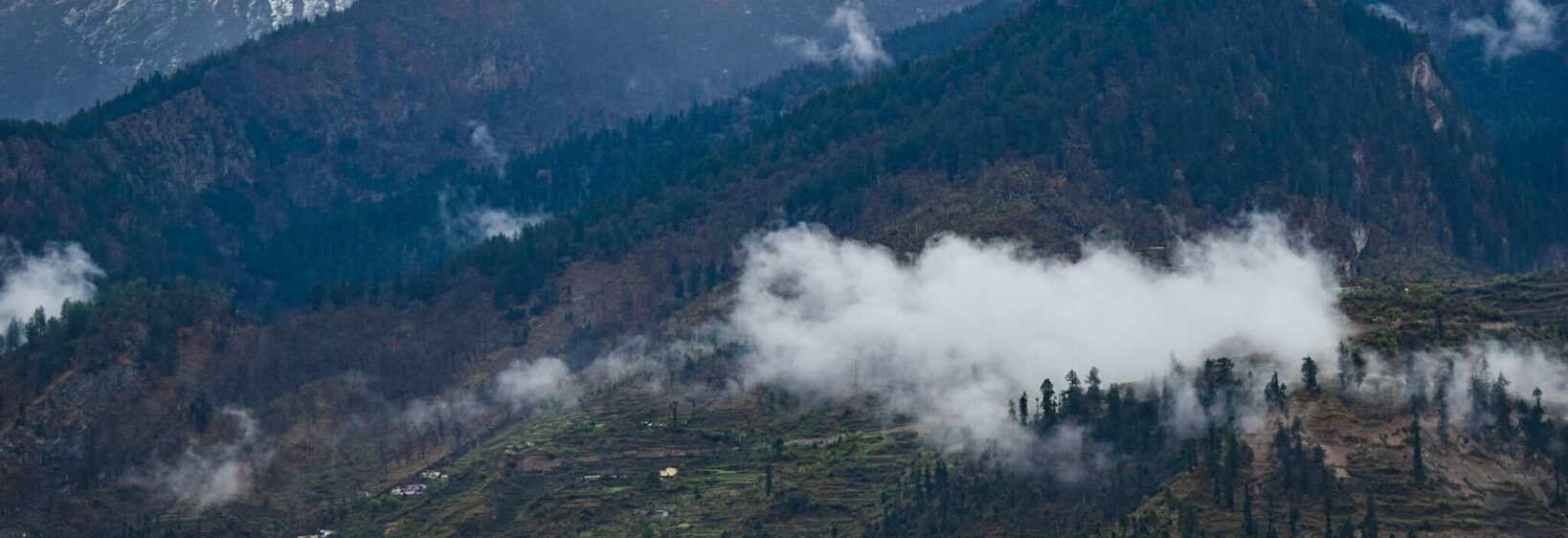
High in Uttarakhand’s Kumaon region, Baijnath Temple stands beside the Gomti River in a quiet valley framed by forested hills and terraced fields. The complex is valued for its spiritual importance, carefully cut stonework and connection with the Katyuri rulers who shaped much of the region’s medieval architecture.
The main shrine is dedicated to Lord Shiva in his form as Vaidyanath, meaning the divine physician. A group of smaller temples surrounds it, creating an intimate pilgrimage site that feels very different from the busier hill stations of Uttarakhand. Visitors from Australia can combine Baijnath with Kausani, Almora or Ranikhet on a Kumaon itinerary.
For travellers accustomed to planning around Australian distances, the mountain roads require patience. A route from Delhi to Kausani may take many hours by car, while the final approach includes winding roads and changing elevations. Comfortable footwear, sun protection and a flexible schedule are useful, particularly during the warmer school-holiday months in Sydney, Melbourne and Brisbane.
A sacred site in the Katyuri era
Baijnath’s temple group is generally dated to the 12th century, when the Katyuri dynasty held influence across Kumaon. Local tradition links the site with older legends associated with Shiva and Parvati, while the surviving masonry reflects the artistic and religious culture of the medieval Himalayan kingdom.
The settlement was once known as Kartikeyapura, an important centre in the Katyuri realm. Its location beside the Gomti was practical as well as symbolic: water, fertile valley land and routes through the mountains helped support communities around the shrine.
The arrangement of the temple complex
The principal temple follows a northern Indian stone-temple style, with a sanctum, a tower rising above it and a small entrance area. Several subsidiary shrines stand nearby, each contributing to the layered appearance of the complex. Their compact scale allows visitors to examine details that can be missed in larger pilgrimage centres.
The temples are built mainly from locally available stone, fitted into strong geometric forms. Weathering has softened some edges, but the original sense of proportion remains clear. The river, trees and open valley give the site a calm setting for photography, especially in the gentle morning light.
Stone carvings and devotional details
Carved figures, floral patterns and ornamental bands appear across the temple walls and door frames. Some images represent Hindu deities, celestial beings and symbolic motifs, while other surfaces display repeating designs used to frame entrances and niches.
The craftsmanship is impressive because the decoration is integrated into the structure rather than added as a separate layer. A close look at the doorway reveals how stone carving guides the eye towards the sanctum. Visitors should avoid touching fragile surfaces and should follow local instructions around the inner shrine.
Legends of Shiva and Parvati
According to popular belief, Shiva and Parvati were married at Baijnath, although several Himalayan locations preserve versions of this sacred story. Such traditions give the temple an emotional character that extends beyond its architectural value. Worshippers visit to offer flowers, lamps and prayers to Vaidyanath.
The shrine remains an active place of worship rather than a museum. During festivals such as Maha Shivaratri, the atmosphere becomes livelier, with pilgrims, bells and devotional music filling the valley. Modest clothing and respectful behaviour are expected, including removing shoes before entering designated areas.
Visiting from Kausani
Baijnath lies around 16 kilometres from Kausani, making it a practical half-day excursion by taxi or local transport. Kausani itself is known for Himalayan views, pine forests and its association with Mahatma Gandhi. Combining the two destinations gives travellers a balance of landscape, history and village life.
Those extending their journey towards high mountain country may also enjoy this Munsiyari trekking guide, although that route requires more preparation and time. Baijnath is easier to include in a relaxed itinerary, particularly for visitors travelling with older family members.
Practical travel notes
The best months for a comfortable visit are generally March to June and September to November. Monsoon rain can cause slippery paths, traffic delays and landslides on mountain roads, while winter mornings may be cold. Australian visitors should carry layers, a reusable water bottle and high-SPF sunscreen, as the high-altitude sun can feel intense even when the air is cool.
Accommodation is available in Kausani, with options ranging from modest guesthouses to larger hotels. Prices may rise during Indian festival periods and domestic holiday seasons, so checking the local market before booking is sensible. Australian dollars are not commonly accepted in small Himalayan towns; travellers usually rely on Indian rupees, cards at established hotels and enough cash for transport, temple offerings and village purchases.