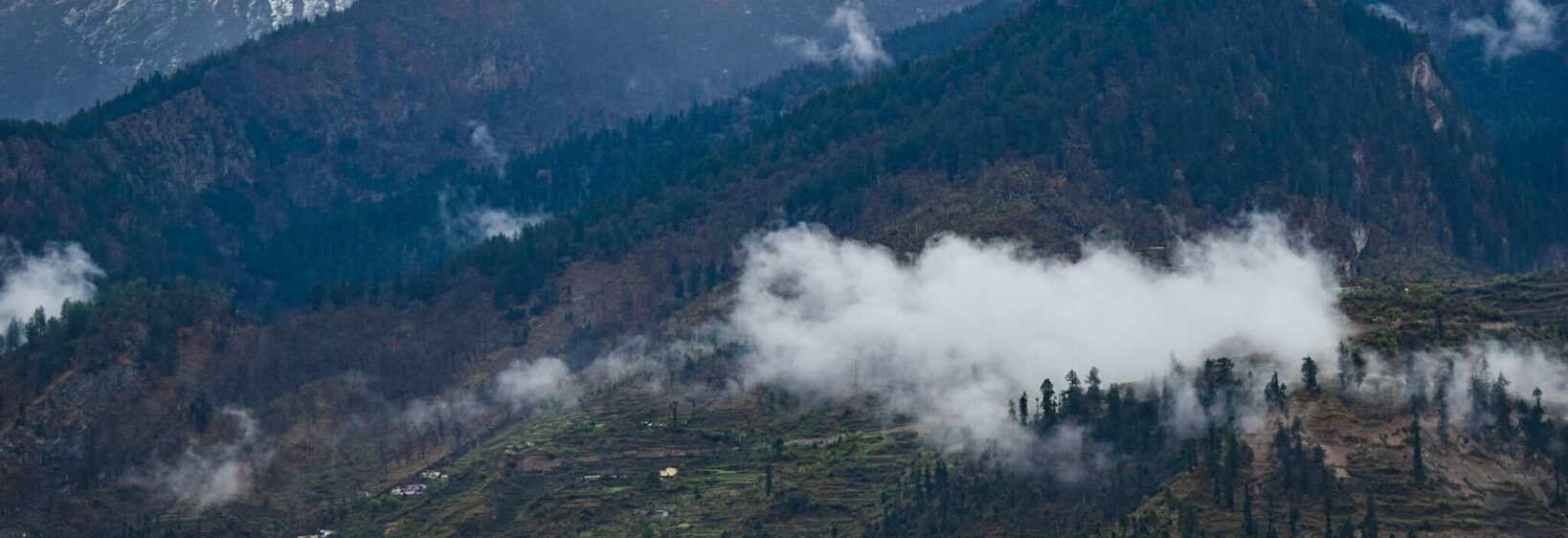
Steam And Sacred Rituals At Yamunotri’s Surya Kund
High in Uttarakhand’s Garhwal Himalaya, the Surya Kund hot spring creates one of Yamunotri’s most striking scenes. Steam rises beside the stone temple while pilgrims move between the scalding pool, the shrine of Goddess Yamuna and the mountain path above the Yamuna River. The contrast between snow-fed air and geothermal heat makes the site unforgettable.
For Australian travellers, Yamunotri offers a very different experience from a Blue Mountains walk or a winter escape to the Victorian Alps. The journey is demanding, the religious customs are central to the visit, and the hot spring is valued as a sacred place rather than a recreational spa. The UK Photos Gallery shares visual stories from Uttarakhand that help place this pilgrimage within the region’s wider culture and landscape.
Where The Hot Spring Meets The Shrine
Surya Kund is located close to the Yamunotri Temple, at an altitude of roughly 3,200 metres. The spring water is extremely hot, with temperatures commonly described as high enough to cook rice or potatoes. Pilgrims traditionally place food in a small cloth bundle and lower it into the water for a short time. Once cooked, the food becomes prasad, a blessed offering taken home or shared with family.
The spring is associated with Surya, the sun god, who is regarded in local tradition as Yamuna’s father. Its heat feels especially dramatic after the cool climb through the valley. Visitors may see vapour drifting over dark rocks, prayer flags moving in the wind and groups preparing offerings near the temple complex.
Pilgrim Rituals And Sacred Etiquette
A visit usually includes darshan at Yamunotri Temple, where worshippers seek the goddess’s blessings. Many pilgrims also pay respects at Divya Shila, a sacred rock near the temple, before entering the shrine. Ritual bathing in the freezing river is part of some pilgrimage traditions, but visitors should never enter dangerous currents or treat the hot spring as a swimming pool.
The setting calls for respectful behaviour. Shoes are removed in designated areas, clothing should be modest, and photography may be restricted around ceremonies or worshippers. Australian visitors accustomed to national park rules should think of the area as both a mountain environment and an active place of worship. Following a priest’s or local guide’s instructions is more appropriate than improvising a ritual.
Reaching Yamunotri From Australia
Most international visitors fly from Australia to Delhi before continuing towards Uttarakhand by road. A route from Delhi may pass through Dehradun, Barkot and Janki Chatti, where the motor road ends. From Janki Chatti, pilgrims walk approximately six kilometres to Yamunotri, although ponies, palanquins and local transport services may be available.
The journey can be physically tiring for travellers arriving from Sydney, Melbourne, Brisbane or Perth after a long flight and several changes in altitude. Allowing extra days for rest is sensible. Conditions can change rapidly, and the pilgrimage route may include steep sections, uneven paving, crowds and rain. Unlike a marked Australian bushwalk with predictable facilities, this route has a more seasonal and improvised character.
When To Visit And What To Expect
Yamunotri is generally accessible during the pilgrimage season, which commonly runs from late April or early May until Diwali in October or November. Exact opening and closing dates follow the Hindu calendar and may change each year. The monsoon can bring landslides, road delays and slippery paths, while early and late season visits may involve cold weather and limited services.
Accommodation ranges from basic guesthouses and lodges to camps and facilities in nearby towns. Prices vary with demand, and cash remains useful because card machines or reliable internet may not always work in remote areas. Travellers comparing costs in Australian dollars should also budget for porters, local transfers, meals, permits where applicable and possible weather-related delays rather than relying only on an advertised package price.
A Mountain Experience Beyond The Hot Water
Surya Kund is one part of a larger Himalayan pilgrimage landscape. The valley contains glacial streams, cedar and birch slopes, high ridgelines and villages shaped by seasonal tourism. The atmosphere changes throughout the day: morning light catches the steam, afternoon weather can gather quickly, and evening temperatures fall sharply after the last visitors leave.
Those interested in quieter Himalayan routes may enjoy reading about Brahma Tal trekking, although the terrain and access arrangements differ from Yamunotri. A visit to Surya Kund is best understood as a cultural journey as much as a scenic excursion. The spring’s steam, the cooked offering and the prayers around the temple connect geology, faith and everyday pilgrimage in a way that stays with visitors long after they return from the mountains.