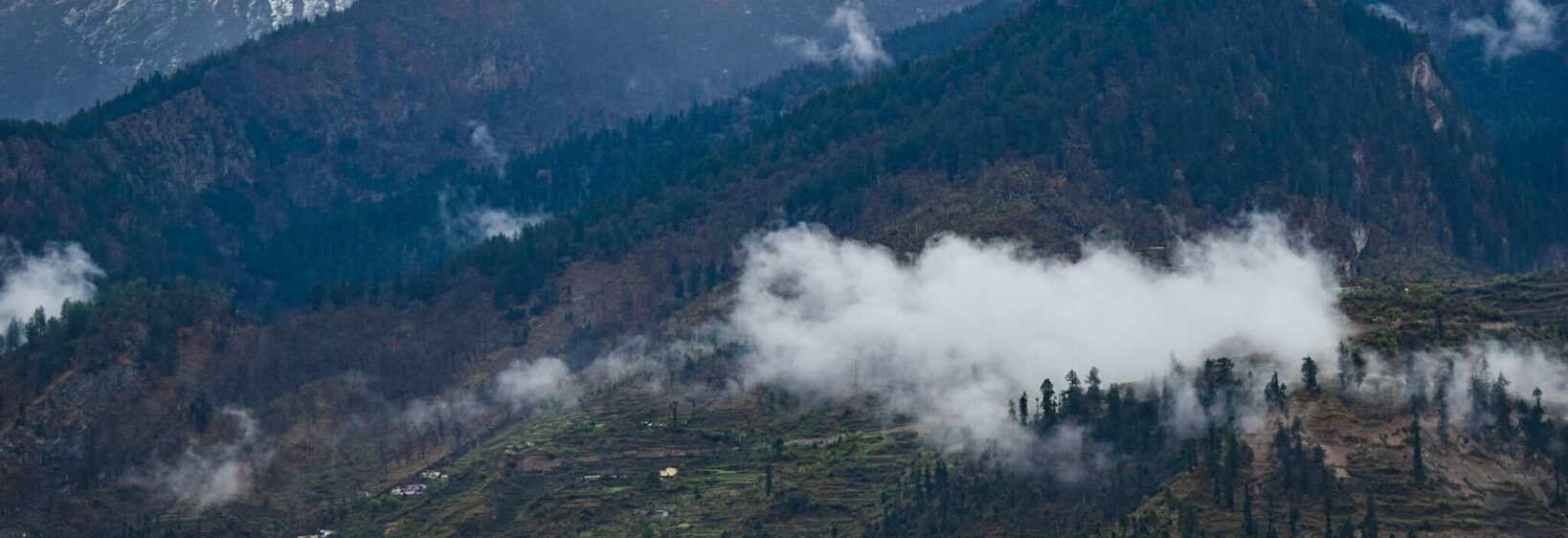
Phulchatti Meadow: A Carpet of Wildflowers Before Valley of Flowers
The Phulchatti Meadow sits along the much-loved trail leading toward the Valley of Flowers National Park in Uttarakhand, rewarding trekkers with a softer, quieter prelude to the more famous valley below. Long before the Hemkund Sahib junction draws its crowds, this broad alpine clearing unfolds with seasonal colour that few travellers stop to appreciate properly. Australian hikers who love spring trekking in Tasmania or the Australian Alps will find the timing and terrain surprisingly familiar in spirit, even if the floral palette is unmistakably Himalayan.
Most visitors race through Phulchatti on day one of the trek, focused on reaching Govindghat or Ghangaria before nightfall. Slowing down here, however, reveals a side of the Garhwal Himalayas that is often missed. The meadow acts as a transitional zone where pine forest thins into open pasture, and where the air carries the faint sweetness of pollen and damp soil. For anyone planning a longer Indian Himalaya trip, treating Phulchatti as a destination rather than a waypoint can quietly reshape the whole experience.
Locating the Meadow on the Trail
Phulchatti lies roughly between Pulna and the entry checkpoint of the Valley of Flowers sanctuary, at an elevation of around 3,000 metres. The path from Govindghat climbs steadily along the Pushpawati river, passing through a mix of birch and rhododendron before the canopy opens. Travellers who have walked sections of the Overland Track in Tasmania will notice the same gradual shift from forest edge to alpine clearing, though the air here is thinner and the river runs with colder, glacial melt.
The first kilometre after Pulna is relatively flat, which makes it ideal for camera work without the strain of a steep descent. Many trekkers pass through in late morning when the sun is already high, but the gentler light of early afternoon brings out the saturated reds and violets of the surrounding slopes. Photographers coming from Australia's east coast often compare the crisp Himalayan visibility to winter mornings on the Blue Mountains, where distance and clarity can turn an ordinary landscape into something cinematic.
The Bloom and the Botanists
The wildflower season in this part of Uttarakhand typically runs from mid-June through early September, peaking between late July and mid-August. During this window, Phulchatti fills with primulas, blue poppies, orchids, and anemones in shades that range from near-white to a deep, almost bruised indigo. The flowering pattern is closely tied to snowmelt, so a heavy winter can push the peak later, while a dry spring may shorten it.
Local botanists and forest staff monitor the bloom closely each year, sometimes restricting entry to certain zones to protect fragile species. Australian visitors who hike in Kosciuszko National Park will recognise a similar approach, with seasonal track closures designed to safeguard alpine flora and peat wetlands. Both regions share a quietly contested balance between welcoming visitors and preserving delicate ecosystems, and both rely on small permit fees to fund that work.
Capturing the Light Before the Crowds Arrive
Because Phulchatti sits before the main sanctuary gate, it receives a fraction of the foot traffic that fills Ghangaria and the inner valley. That timing advantage is worth a lot for photographers who prefer stillness over spectacle. Wide-angle lenses work best across the meadow, but a telephoto can isolate the more skittish blooms that close up at the slightest vibration.
Clear Himalayan nights above the meadow are exceptional for astrophotography, and the same mountain atmosphere that favours Milky Way shots over Uttarakhand also rewards patient shooters with stunning after-dark images, as described in this guide to photographing the Milky Way over the Uttarakhand hills. Australians used to photographing the Southern Cross from places like the Flinders Ranges will find the unfamiliar northern constellations a particular thrill, with the Milky Way's core arching across the sky in a different orientation.
Comparing Routes and Pacing
| Feature | Phulchatti Meadow | Valley of Flowers (inner zone) |
|---|---|---|
| Altitude | ~3,000 m | 3,200–3,600 m |
| Permit needed for photography stop | Usually no | Yes, separate fee |
| Average time on site | 30–90 minutes | 2–5 hours |
| Crowd level in peak season | Low to moderate | High |
| Best lens choice | 24–70 mm wide zoom | 70–200 mm telephoto |
Australian travellers often ask whether the inner valley is worth the extra permit, the queue, and the steeper climb. The honest answer is that both experiences complement each other, with Phulchatti providing an unhurried warm-up and the valley itself delivering the concentrated payoff. Skipping Phulchatti in favour of a faster start is a common mistake that costs little in time but a great deal in atmosphere.
Preparing for a High-Altitude Meadow Stop
A few small preparations make a Phulchatti stop much more enjoyable. Layers matter, because the meadow can feel warm in the sun and sharply cold once a cloud passes over. Most Australians are accustomed to sudden weather shifts at home, whether on the Great Ocean Walk or a Snowy Mountains day hike, but the difference here is the altitude, where a light headwind can drop the perceived temperature by several degrees within minutes.
Returning travellers should also remember Australia's strict biosecurity rules, which restrict the import of soil, seeds, and untreated plant material. Trekking gear, especially gaiters and boots, often needs a thorough clean before being packed for the flight home from Delhi. Keeping a spare set of clothes in a sealed bag during the trek makes that final airport process far less stressful, and it is a habit that seasoned Australian bushwalkers already follow for their own quarantine inspections.
Phulchatti is not a place that shouts for attention. It waits quietly beside a river, painting itself in fresh colour each monsoon, and asking only that visitors pause long enough to look.