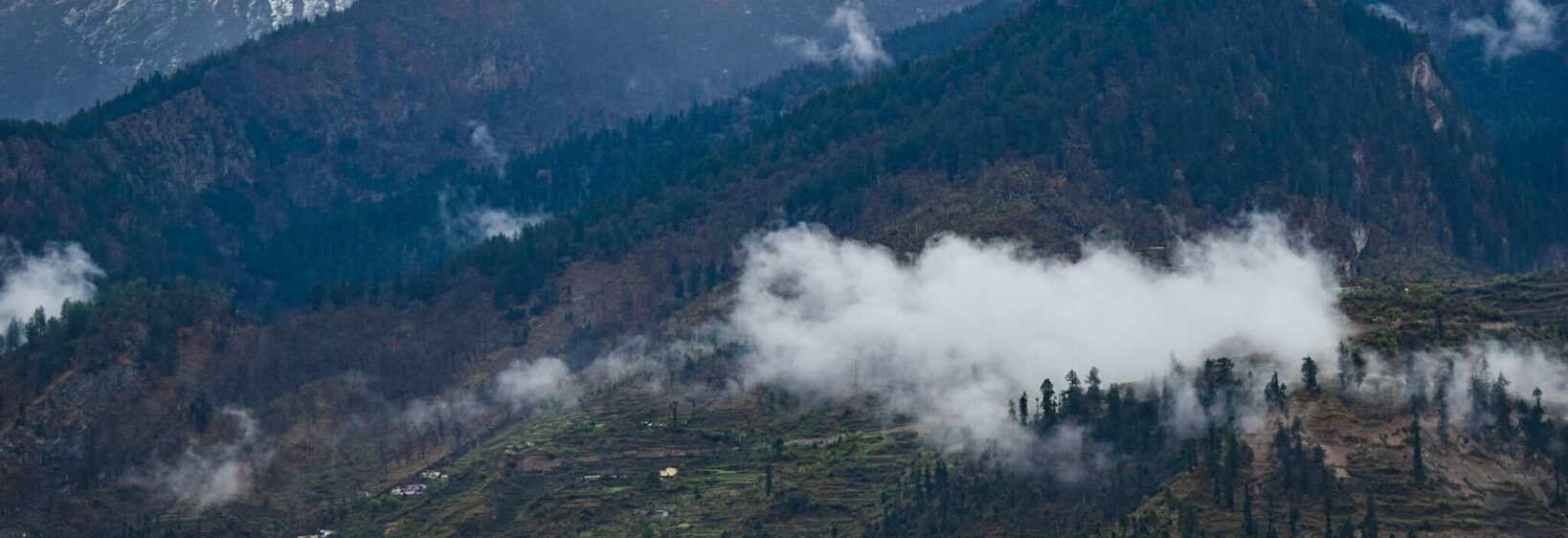
Tunganath Temple: A Sacred Himalayan Sanctuary Above the Clouds
For travellers from Sydney, Brisbane, or Perth who spend their weekends bushwalking through the Blue Mountains or chasing sunrise at Mount Kosciuszko, the call of the Himalayas often arrives during a long Melbourne winter. The Tunganath Temple, perched at 3,680 metres in the Garhwal range, is the highest Shiva shrine on the planet. Tucked inside the Rudraprayag district of Uttarakhand, it draws pilgrims, photographers, and trekkers who want that postcard mix of jagged peaks, alpine meadows, and ancient stonework. If you have ever shrugged off a chilly forecast as fair dinkum weather and packed your thermals anyway, you will feel right at home on this trail.
Unlike the crowded summit of Kedarnath further north, Tunganath sits quietly above the Chopta meadow, often called the Mini Switzerland of India. The 3.5-kilometre stone path climbs steadily through rhododendron and oak forest, opening up to a whitewashed courtyard framed by snowfields. Visitors arrive to the distant chime of bells and the sudden, arresting sight of the Trishul peak standing guard over the sanctum.
Origins Carved in Stone
The shrine traces its roots to the 8th century, when the philosopher Adi Shankaracharya is said to have re-established several sacred Kedarnath sites, including this one. According to legend, the Pandavas built the original structure before the great Mahabharata war to atone for their sins. The presiding arm of Lord Shiva is worshipped here as a self-manifested, or swayambhu, form, while the main deity is famously believed to be armless, a mystery that has puzzled devotees for centuries.
A short climb beyond the temple leads to the Chandrashila summit, which sits at roughly 4,000 metres. The reward is a 360-degree sweep of the Nanda Devi, Chaukhamba, and Kedarnath massifs. For Aussies used to scanning the horizon from the Grampians or Wilson's Promontory, the scale here feels almost cinematic. The thin air, the crunch of fresh snow under hiking boots, and the soft glow of marigold lamps make the climb feel less like exercise and more like stepping into a centuries-old ritual.
The Route from Chopta
Chopta, the last motorable stop, acts as the gateway and the natural base camp. From Delhi's IGI Airport, travellers often board an overnight train to Haridwar, then a shared taxi up to Chopta, a journey of roughly 10 to 12 hours in total. The road winds through Devprayag, where the Alaknanda and Bhagirathi rivers merge to form the Ganges, a sight that alone justifies the long drive.
Once in Chopta, the trek to the temple can be covered in about two to three hours at a comfortable pace. Many Australians, accustomed to plotting multi-day bushwalks with a paper map tucked in the glove box of their ute, find it refreshingly straightforward. There are no technical climbs, though the final stretch involves a steady incline that can leave even fit hikers puffing in the rarefied air. Local guides, often hired through small homestays, will point out medicinal herbs, hidden shrines, and the occasional Himalayan monal flashing through the pines.
Seasons and What to Expect
The temple remains open only between late April and early November. The remaining months are buried under metres of snow, and the path becomes impassable for ordinary visitors. Each window offers a different mood for the journey.
| Season | Months | Conditions | Best For |
|---|---|---|---|
| Spring | April to June | Rhododendrons blooming, mild afternoons, clear skies | First-time visitors and families |
| Autumn | September to November | Crisp air, stable weather, golden light | Photographers and serious trekkers |
| Winter | December to March | Deep snow, road closed, extreme cold | Experienced mountaineers only |
| Monsoon | July to August | Slippery trails, leeches, landslide risk on the Rishikesh road | Not recommended |
Australians booking through Flight Centre or Webjet usually pair this trek with a low-altitude stop in Rishikesh to acclimatise, an arrangement the local Uttarakhand travel agencies handle with surprising ease. Autumn mornings bring the kind of honeyed light that photographers chase from the Great Ocean Road back home, only here it falls across snowfields and prayer flags.
Local Customs and Mountain Etiquette
The sanctum is small, ancient, and treated with deep reverence. Shoes must be left at the entrance, leather items are discouraged, and photography inside the inner shrine is generally prohibited. Bells are rung softly before prayer, and offerings of bilva leaves, milk, and ghee are common. Pilgrims typically perform a small parikrama around the temple before settling on the stone courtyard for prasad.
The priests and villagers here speak Garhwali, but Hindi is widely understood. A friendly namaste and a polite handshake will get most conversations started. Travellers used to the blunt cheer of an Aussie bar in Parramatta may find the locals reserved at first, but a shared plate of siddu opens doors fast. Those wanting to explore the broader regional palate can follow a food trail across Uttarakhand that stretches from Garhwal kitchens into the high meadows, revealing how mountain cooks stretch humble lentils into hearty feasts.
Preparing Like a Seasoned Antipodean Trekker
Most travellers from Australia will already know the rhythm of a long-distance trek, having crossed routes like the Larapinta or Tasmania's Overland Track. The Tunganath climb is shorter in distance but higher in altitude, which means preparation matters more than brute fitness. Pack layers that can handle both a blazing midday sun and sub-zero evenings, the same logic used for alpine walks down south.
Before you fly out of Tullamarine or Kingsford Smith, double-check that your travel insurance covers trekking above 3,500 metres, as some standard policies quietly exclude it. Carry at least two litres of water, a small first-aid kit, and high-energy snacks, since the nearest reliable shop is back in Chopta.
- Acclimatise in Rishikesh or Haridwar for at least one night, especially if arriving directly from Delhi's heat.
- Book a registered guide through a local homestay rather than at the trailhead to keep your contribution inside the village economy.
- Travel light on plastic; the trail has minimal bin facilities and the community prefers reusable bottles and cloth.
- Carry a headlamp and a power bank, because lighting inside the small temple complex can be sparse during evening aarti.