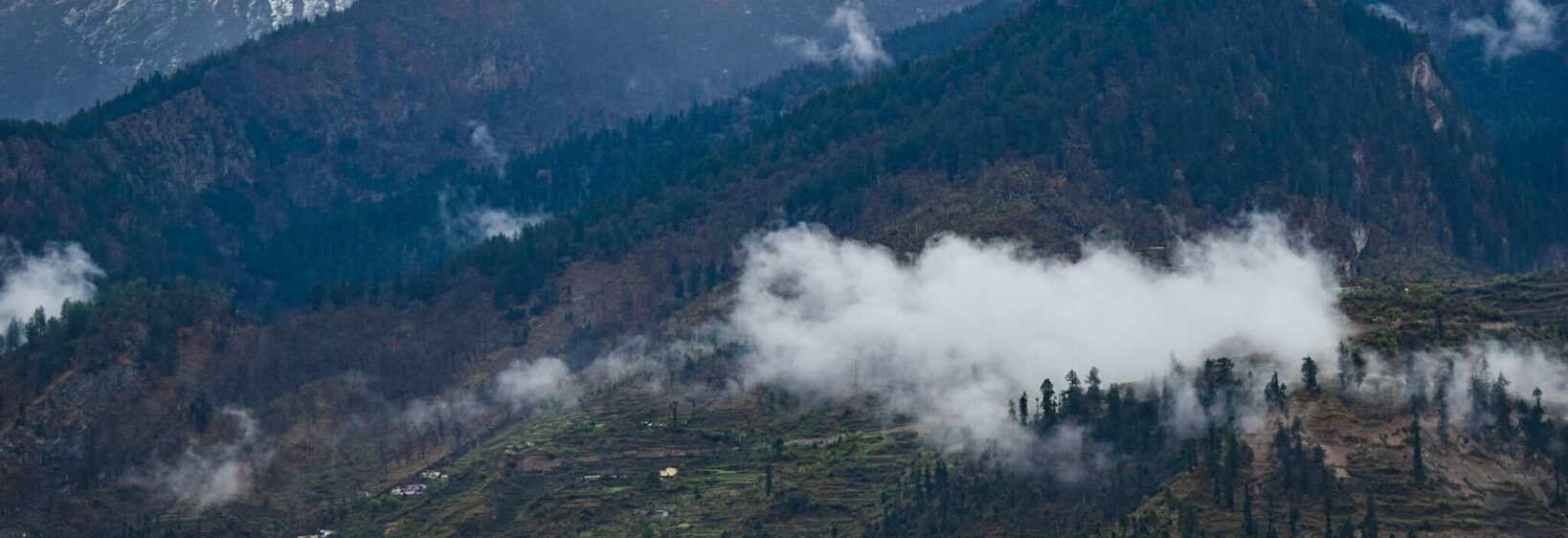
Valley of flowers: a Himalayan canvas of wild colour
High in Uttarakhand’s Garhwal Himalaya, the Valley of Flowers National Park turns a remote alpine valley into a living tapestry each summer. Meadows of blue poppies, primulas, orchids, cobra lilies and anemones spread beneath snow-dusted peaks, creating one of India’s most memorable mountain landscapes.
The park forms part of the Nanda Devi Biosphere Reserve and is recognised as a UNESCO World Heritage site. Its changing colours, glacial streams and dramatic ridgelines make it especially appealing to travellers who enjoy photography, nature walks and culturally rich journeys rather than hurried sightseeing.
For visitors from Australia, the experience feels far removed from a coastal walk around Sydney or a forest trail outside Melbourne. This is a high-altitude Himalayan trek shaped by monsoon weather, village hospitality and traditional pilgrimage routes.
Where the alpine meadows begin
The usual gateway is Govindghat, reached by road from Rishikesh, Haridwar or Joshimath. From there, travellers walk or arrange transport towards Pulna before following the trail to Ghangaria, the settlement used as a base for excursions into the national park.
The route to Ghangaria is roughly 13 kilometres and follows the Pushpawati River through steep mountain scenery. The final approach can feel demanding because of the altitude and uneven surfaces, so steady pacing is more useful than trying to finish quickly.
When the flowers are at their best
The park generally opens during the warmer months, with the main flowering period running from July to August. June can reveal fresh greenery and early blooms, while September often brings clearer views and fewer flowers as autumn approaches. Exact opening dates and access conditions can vary each year.
The monsoon gives the valley its lush character, but rain can also bring slippery paths, swollen streams and cloud-covered peaks. Australians accustomed to checking bushfire alerts or cyclone forecasts should adopt the same habit here by checking local weather, road conditions and park notices before setting out.
A landscape shaped by water and ice
The Pushpawati River, waterfalls and seasonal streams animate the valley as snow melts from the surrounding mountains. The terrain is a broad glacial corridor, enclosed by rugged summits and slopes that support a remarkable range of alpine plants.
Wildlife sightings are never guaranteed, yet the region shelters Himalayan species such as the blue sheep, Himalayan tahr, musk deer and, in the wider reserve, the elusive snow leopard. The flowers are the visual highlight, but the quiet movement of clouds and the sound of mountain water are equally distinctive.
Walking responsibly in fragile terrain
Visitors must stay on established trails and follow instructions from park staff. Picking flowers, disturbing wildlife and leaving rubbish can damage a habitat that recovers slowly at high altitude. Camping and overnight stays inside the flower valley are generally not permitted, making Ghangaria the practical base.
Good preparation includes layered clothing, waterproof footwear, sun protection, a refillable bottle and essential medication. Altitude can affect even fit travellers, so a gradual ascent, regular rest and attention to symptoms such as headache or nausea are important.
Culture along the pilgrimage route
The journey passes through villages where Garhwali traditions remain closely connected with farming, faith and mountain life. Travellers can explore local Garhwali phrases before arriving, as a few respectful words can make everyday interactions warmer and more meaningful.
Ghangaria also serves pilgrims visiting Hemkund Sahib, a revered Sikh shrine beside a high-altitude lake. During the season, the area becomes a meeting point for trekkers, porters, mule handlers, shopkeepers and pilgrims, creating a lively blend of spiritual travel and mountain tourism.
Pairing flowers with Himalayan heritage
A trip to the valley works well as part of a wider Uttarakhand itinerary. Joshimath offers access to several mountain routes, while Rishikesh provides river landscapes, yoga centres and a convenient transport connection. Travellers with extra time can continue towards Badrinath or explore quieter Garhwal villages.
The region’s spiritual attractions extend beyond open-air shrines. Travellers interested in unusual sacred sites can include the Patal Bhuvaneshwar caves, an underground temple complex in Kumaon, although it lies far from the flower valley and requires separate planning.
Planning from Australia
Most Australian visitors begin with international flights to Delhi, followed by a domestic connection or overland journey towards Rishikesh. A route from Brisbane, Perth or Adelaide may involve several flight changes, so allowing recovery time before the trek is sensible. Indian rupees are useful for small purchases, local transport and mountain lodges, where card facilities may be limited.
Australians familiar with national park permits, Leave No Trace principles and marked walking tracks will recognise the value of travelling lightly here. A local guide or reputable tour operator can assist with transport, accommodation and weather changes, while photographers should carry spare batteries because charging options become less reliable beyond the larger towns.