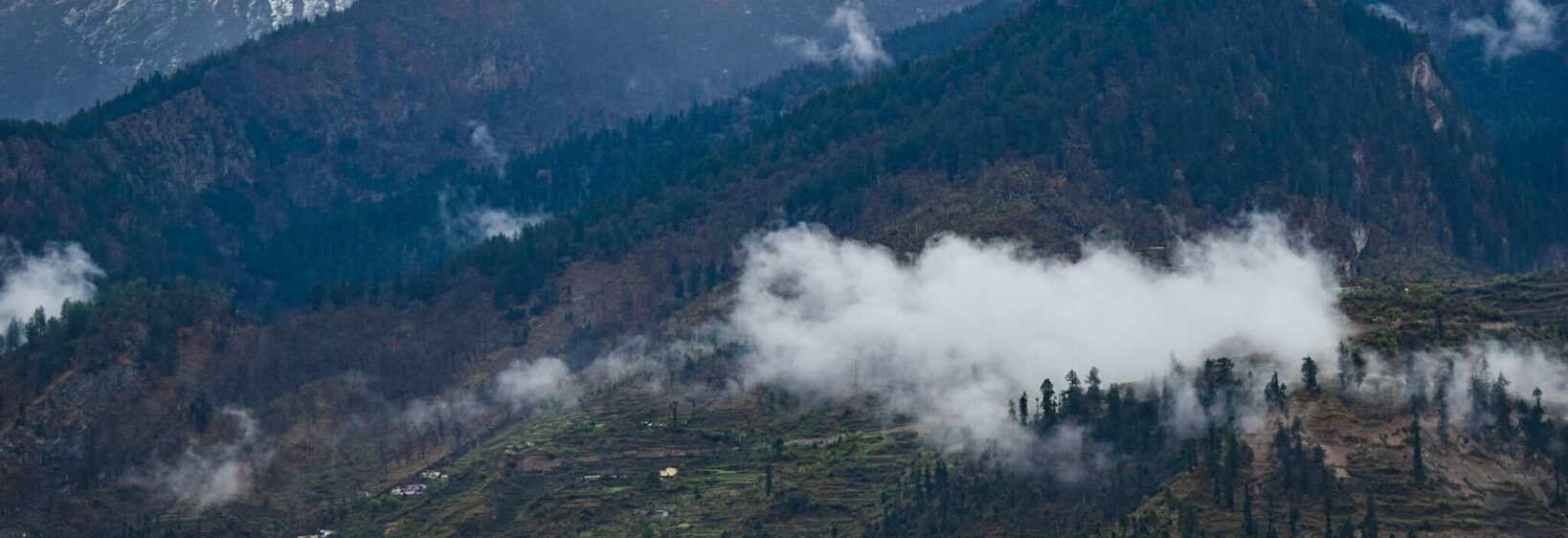
Har Ki Dun Valley Through Ancient Villages And Forests
Har Ki Dun is a high Himalayan valley in Uttarakhand where cedar woods, open meadows and traditional villages create a memorable trekking landscape. The trail follows the Supin River towards a broad basin surrounded by Swargarohini and other snow-covered peaks.
The journey usually begins at Sankri, a mountain settlement reached by road from Dehradun. From there, trekkers pass through Taluka, dense forest and remote communities such as Osla and Gangad. Stone houses, carved wooden balconies and small terraced fields give the route a strong sense of place.
This is a rewarding option for Australian travellers who want more than a quick sightseeing stop in India. It has the slow rhythm of a multi-day walk, with village homestays, basic campsites and changing mountain scenery rather than resort-style tourism. UK Photos Gallery also features Uttarakhand destinations and visual stories that help place the trek within the wider region.
The route requires sensible preparation. Altitude, uneven paths, cold nights and limited mobile coverage can challenge walkers accustomed to the well-marked tracks around Melbourne or the Blue Mountains near Sydney. A steady pace and respect for local customs matter as much as fitness.
Reaching The Trailhead From Dehradun
Most itineraries start with an overnight stay in Dehradun before the long drive to Sankri. The road passes through mountain towns and river valleys, and the final approach can be slow because of bends, roadworks and seasonal conditions. A private vehicle, shared taxi or organised trekking transfer is generally more practical than relying on frequent public transport.
From Sankri, a local road leads to Taluka, where the walking route begins. The first stages follow forest tracks beside the Supin River, with gradual climbs and occasional steep sections. Depending on the itinerary, the full trek takes around six to eight days, including transport and acclimatisation time.
Australian visitors should build flexibility into their plans. A missed connection from Delhi or a delayed mountain drive is more likely than a precise timetable, especially during monsoon weather. Travellers using Australian dollars should also carry Indian rupees for small purchases, village meals, tips and local transport, since card payments are uncommon beyond larger towns.
Villages, Architecture And Mountain Life
Osla is among the most distinctive settlements on the trail. Its timber-and-stone houses reflect traditional Himalayan building methods, while fields of barley, millet and vegetables show how communities have adapted to a short growing season. Residents may sell simple snacks, tea or handmade goods, but this is a working village rather than a staged cultural attraction.
Visitors should dress modestly and ask before photographing people, homes or religious objects. Removing shoes when entering a private or sacred space is customary, and a quiet manner is appreciated around temples and household courtyards. These small courtesies make the experience more respectful and help keep village tourism beneficial.
The valley also carries stories connected with local interpretations of the Mahabharata. In Osla, the temple associated with Duryodhana is often discussed by guides and residents. Traditions vary between communities, so listening without imposing outside assumptions adds depth to the cultural experience.
Forests, Meadows And Wildlife
The lower trail moves through oak, pine, birch and deodar forests, depending on elevation and aspect. Birdsong, moss-covered rocks and filtered light make the early sections particularly atmospheric. Higher camps open into alpine meadows, where the view expands towards dramatic ridgelines and hanging snowfields.
Wildlife sightings are never guaranteed, yet the broader sanctuary supports Himalayan species including musk deer, black bear and several pheasants. Walkers should avoid feeding animals, keep food sealed and carry every wrapper back out. A local guide can identify tracks and birds without disturbing the surroundings.
The best trekking windows are generally spring and autumn, when paths are more manageable and mountain views are often clear. Summer remains possible, though rain can affect roads and trails. Winter brings snow and greater route difficulty, while the monsoon may cause slippery ground, swollen streams and landslides. A regional reference such as this Chakrata travel guide is useful for understanding how Uttarakhand’s forest destinations differ across seasons.
Packing And Planning Essentials
Choose a reputable local operator that provides experienced guides, appropriate tents and realistic daily distances. Australian hikers may recognise gear from Kathmandu stores, but high-altitude clothing should be tested before departure rather than bought at the last minute. Warm layers, waterproof protection and reliable walking shoes are essential.
A compact first-aid kit, sun protection and water-treatment tablets are useful additions. Mobile service can be intermittent, so share an itinerary with family in Australia and keep offline maps available. Unlike a weekend walk in the Dandenong Ranges, this trek offers few easy exit points once the group enters the valley.
Useful items for the route include:
- Layered thermals, fleece and a waterproof shell
- Broken-in boots with firm ankle support
- Headlamp, power bank and spare batteries
- Reusable bottle, water purification and personal medication
Good trail and village manners include:
- Ask permission before taking portraits
- Use refill points instead of buying many plastic bottles
- Keep noise low near homes, temples and camps
- Carry rubbish back to Sankri or an approved collection point
Choosing A Trekking Style And Season
A guided group trek suits first-time visitors because local staff manage permits, accommodation, meals and changing trail conditions. Independent walkers may prefer greater flexibility, but they still need local information about weather, campsites and river crossings. The valley is remote enough that small logistical errors can become serious.
The following overview helps compare common travel periods:
| Period | Trail character | Main consideration |
|---|---|---|
| April to June | Fresh forests, flowers and moderate temperatures | Snow may remain on higher sections |
| July to August | Lush scenery and dramatic clouds | Monsoon rain can disrupt roads and paths |
| September to November | Clearer views and crisp conditions | Cold nights require quality insulation |
| December to March | Snowy, quiet and demanding | Some routes or camps may be inaccessible |
For many Australian travellers, September to November offers a comfortable balance between clear mountain views and manageable conditions. Booking around Melbourne Cup week, Christmas or Australian school holidays can affect international flight prices, so checking transport early is sensible. The reward is a slower Himalayan journey through living villages, ancient-looking forests and a valley that feels far removed from Australia’s coastal cities.