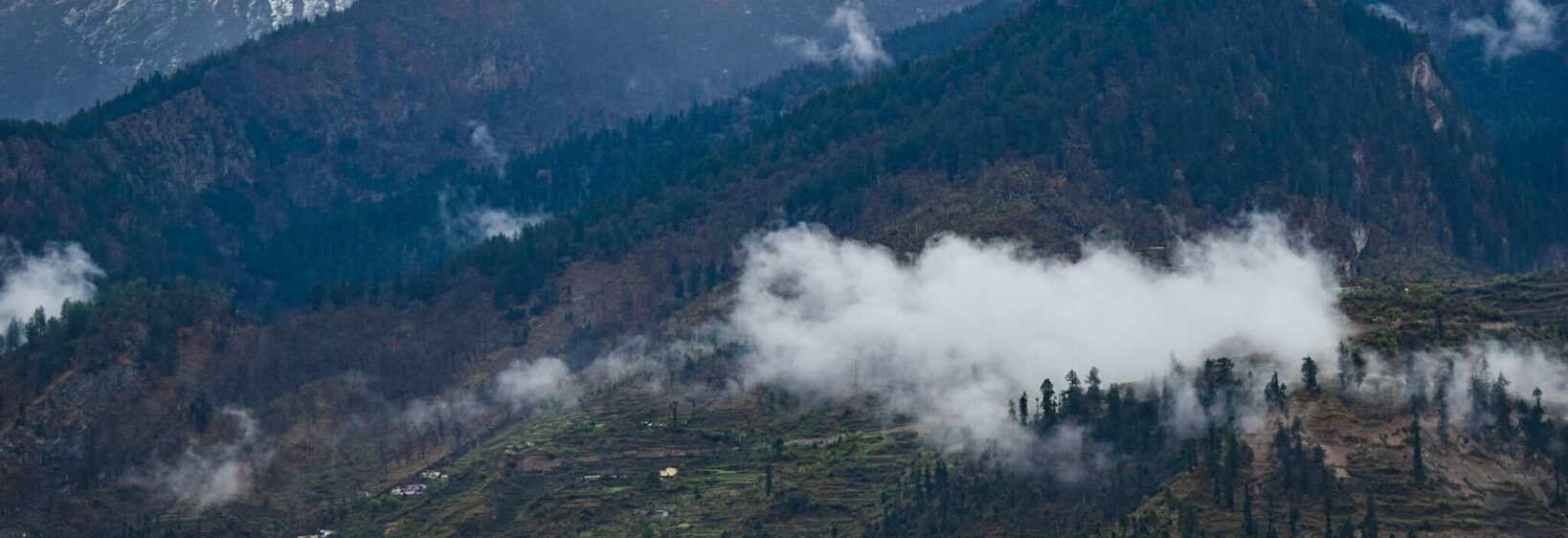
pla Kedar trek: wild meadows and remote campsites in Uttarakhand
Far in the eastern folds of the Garhwal Himalaya, the Chipla Kedar trek traces a quiet line between forested ridges and sun-bleached pastures that rarely see mass tourism. Travellers who have already wandered the well-trodden routes near Rishikesh or Haridwar often look for something wilder, and this trail answers with alpine meadows, shepherd huts and starlit camps beside glacial streams.
For Australian trekkers used to rugged weekend missions in the Blue Mountains or the long Overland Track in Tasmania, Chipla Kedar offers a different rhythm. Days stretch slowly, broken only by wind through birch and the distant clink of a goat bell. It rewards patience over speed, and curiosity over checklist planning.
The route is moderate in difficulty, appealing to fit walkers from Brisbane, Perth or Adelaide who already keep up regular multi-day hikes. A guided week from Dehradun typically costs between AUD 900 and AUD 1,400 depending on group size and inclusions.
Below is a practical look at the trail, the seasons, the campsites and the small cultural encounters that give this corner of Uttarakhand its quiet magic.
Reaching the trailhead and stage breakdown
Most trekkers begin from Munsiyari or drive in from the Pithoragarh side, passing villages where Hindi and the local Kumaoni dialect blend in everyday conversation. The first day usually involves a road transfer to a roadhead near Balau, followed by a steady climb through oak and rhododendron forest to the first meadow camp.
| Stage | Distance | Elevation gain | Camp character |
|---|---|---|---|
| Balau to Latu Kharak | 7 km | 700 m | Riverside clearing, flat ground |
| Latu Kharak to Chipla Kedar base | 9 km | 850 m | Wide meadow, ridge views |
| Summit loop from base | 6 km round trip | 400 m | Rocky, no overnight camping |
| Base to lower forest camp | 8 km | 200 m descent | Sheltered among deodars |
The trail is loosely marked, so local guides from nearby villages are almost essential after the monsoon, when landslide debris shifts the path. Australians visiting friends in Sydney's Uttarakhand diaspora often connect with a recommended operator before flying in, which simplifies logistics enormously.
Best seasons and weather windows
Summer, between May and early July, brings long daylight hours and snow-free meadows ideal for photography. The post-monsoon window from late September to early November is often considered the most beautiful, with clear skies reminiscent of a calm October morning in the Adelaide Hills.
Winter brings heavy snow above the second meadow, and while it transforms the trek into a serious expedition, the lower camps near Balau remain walkable for those with cold-weather gear. Australian trekkers familiar with alpine conditions will find the winter challenge comparable, though the sense of remoteness here is far more pronounced than on any Australian snow trip.
Meadows, forests and river crossings
The meadows along Chipla Kedar are the soul of the trek. They unfurl in soft green waves during early summer, then turn copper and gold by October. Wildflowers include primulas, blue poppies and the occasional rare Himalayan orchid tucked near boggy stream edges.
River crossings are usually straightforward in the dry season, with knee-deep wades through clear snowmelt. After rain, water levels rise quickly, so timing departures before mid-morning is wise. The trail threads between deodar and birch groves that echo with woodpeckers and the occasional monal pheasant flashing its iridescent plumage.
Wild campsites and night skies
Camping here feels far removed from the regulated national park sites Australian bushwalkers know in places like Kosciuszko. Pitch your tent wherever the grass is flat and the drainage is good, and you will likely be alone. The best sites sit on the gentle shoulders above the treeline, where the Milky Way spills across the sky unfiltered by light pollution.
Fire is discouraged at most elevations, so trekkers rely on gas stoves and warm down jackets. A four-season tent and a sleeping bag rated to around minus five degrees will keep you comfortable well into October, especially if you have already picked up a reliable stove from a Sydney outdoor shop before departure.
What to bring for a comfortable wild camp
- A four-season tent with sturdy guylines
- A sleeping bag rated to minus five degrees
- A gas canister and efficient stove
- A headlamp with a red-light mode for stargazing
Local culture and shepherd encounters
Shepherds from the Malla Bhashya community move through these highlands each summer with flocks of sheep and goats, and a chance encounter at a campsite often turns into a long evening of chai and stories. They speak Kumaoni at home, and a few words of greeting in Hindi go a long way toward building rapport.
Small temples and stone shrines mark sacred points along the ridge, and trekkers are asked to walk around them clockwise. Travellers interested in regional heritage may want to read about the living root bridges of Uttarakhand before their trip, as both traditions reflect a deep relationship between local communities and the forest.
Packing and practical tips
Smart packing makes a real difference at altitude. Keep your pack under twelve kilograms to move comfortably between camps, and resist the urge to bring heavy camping chairs or large cooking sets. Most essentials can be bought in Munsiyari, though Australian trekkers used to picking up gear at Bunnings before a big walk often prefer to bring key items from home.
INR cash is essential in the villages, as card facilities are rare and mobile signal disappears beyond Balau. Carry a small first-aid kit, water purification tablets and a printed copy of any permits.
Essentials for the trail
- Layered clothing for sun, wind and freezing nights
- Microspikes or light gaiters for the upper meadows
- A filtered water bottle rather than boiling alone
- A 60-litre pack with a sturdy rain cover
Extending the trip to other Himalayan sights
If time allows, pair the Chipla Kedar trek with a few days in nearby Chaukori or the pilgrimage site of Patal Bhuvaneshwar. The contrast between the stillness of the meadows and the busy ritual life of the temple caves gives a richer picture of Uttarakhand than either experience alone. Returning through Kathgodam also opens easy domestic flight connections for travellers flying back to Sydney or Melbourne at the end of their journey.