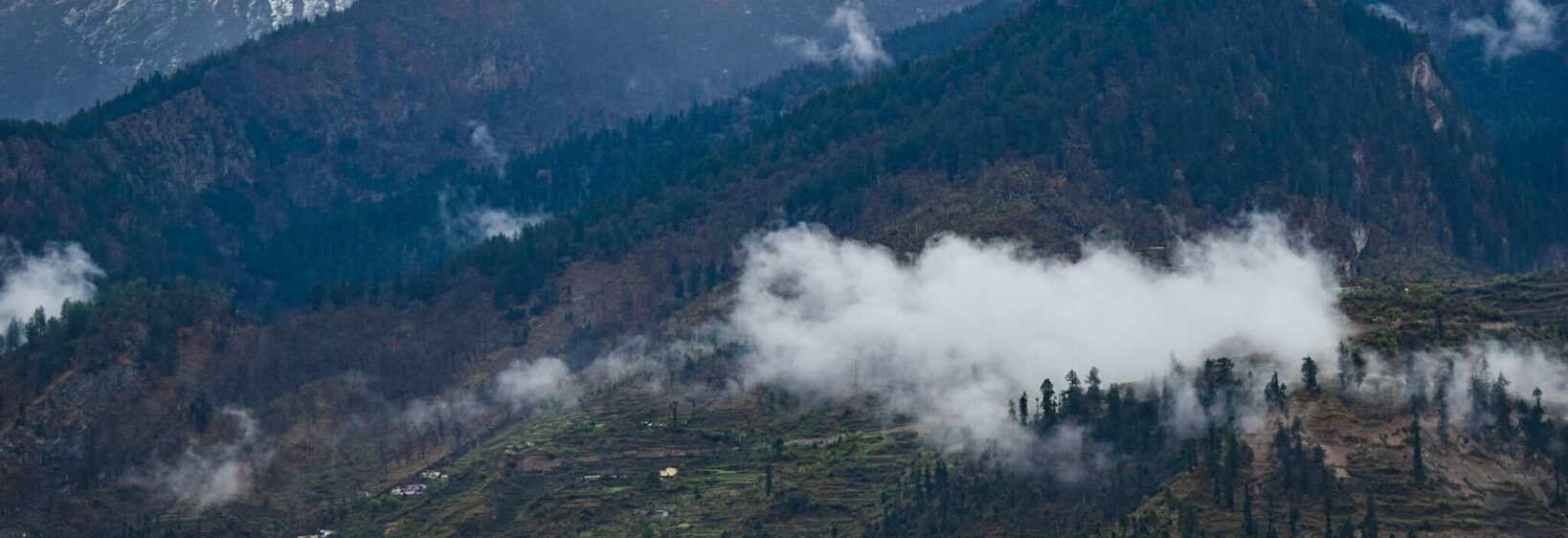
Chaukori village: tea gardens and Himalayan panoramas
Nestled in the eastern Kumaon region of Uttarakhand, Chaukori is a small hill settlement that has long remained off the mainstream tourist trail. Surrounded by dense forests of pine and oak, the village sits on a quiet ridge that looks out across some of the tallest peaks in the western Himalayas. Travellers seeking an unhurried retreat often compare the calm here to the relaxed pace found in regional towns like Beechworth or the slow lanes of Tasmania's countryside. The crisp mountain air and the orderly rows of tea bushes create an atmosphere that feels both grounded and restorative.
For photographers and tea enthusiasts alike, Chaukori offers a rare combination of cultivated greenery and raw wilderness. The terraced plantations brush against the edge of the forest, while the horizon is stitched with snow-laden ridges stretching towards Nepal. Visitors can also witness how local families manage small plots of tea alongside orchards of apple, pear, and plum.
Location and the surrounding landscape
Chaukori lies within the Pithoragarh district. The village faces the great Himalayan wall directly, giving visitors uninterrupted sightlines to peaks such as Nanda Kot, Nanda Devi, and Panchachuli on clear mornings. This dramatic skyline has earned Chaukori a reputation among landscape photographers who travel from distant cities, including Sydney and Melbourne, specifically for the soft pink alpenglow that settles on the snowfields at dawn.
The terrain is shaped by centuries of mountain farming, with stone-walled terraces, narrow paths, and modest homes blending into the hillside. Roads to Chaukori pass through rhododendron groves where elders still greet travellers with a warm "Namaste" and a cup of locally brewed tea.
The working tea gardens
The tea estates of Chaukori are relatively young compared to those of Darjeeling or Assam, but they have developed a character of their own. The cooler climate and well-drained slopes produce a light, aromatic flush with hints of muscatel. Bushes are typically plucked twice during the growing season, and visitors are often invited to observe the careful hand-sorting that follows.
Estate managers occasionally welcome travellers to walk among the rows. The contrast of bright green leaves against the darker forest backdrop makes the gardens a favourite subject for editorial photography. Travellers familiar with Australia's boutique tea regions such as Daylesford often appreciate the artisanal scale of Chaukori's production.
Panoramic views from the ridge
The defining feature of Chaukori is the wide, open sky surrounding it. From the village square, the eye travels across ridges leading to snow-covered summits. Autumn turns the lower slopes amber and gold, while winter brings occasional snowfall to the tea gardens. Photographers return to the same viewpoints throughout the day.
Most guesthouses position their verandas to capture the full arc of the horizon, where guests can sip chai while watching the colour shift from pale blue to fiery orange. The clarity of the atmosphere, free from heavy light pollution, makes the village an excellent base for night-sky work, as covered in the Milky Way photography guide for the Uttarakhand hills.
Sunrise, sunset, and seasonal light
The best light in Chaukori arrives in two windows: the first hour after dawn and the final hour before dusk. Mornings begin with a thin veil of fog rising from the valleys, which catches the early sun in ribbons of gold. Evenings are slower, with shadows lengthening across the tea gardens and the distant peaks turning a deep rose.
Photographers visiting from October to March enjoy the most reliable skies. Summer brings monsoon clouds that clear into dramatic sunsets, while spring offers diffused light for portraits of tea workers. Hikers from New South Wales or the Grampians will recognise similar seasonal rhythms.
Local culture and village life
Life in Chaukori moves with the rhythms of agriculture and weather. Most families belong to communities with roots in the broader Kumaon tradition, and visitors are frequently invited into homes for meals of mandua roti, kaapa, and curries. The hospitality is similar in spirit to the welcome offered at remote stations across the Australian outback.
Small temples sit on the edges of the village, and festivals such as Harela and Phool Dei are celebrated with folk songs and shared sweets. Local guides share stories of the mountains that have shaped generations of life here, while youngsters sometimes assist trekking groups heading toward nearby destinations like Patal Bhuvaneshwar.
Activities and nearby attractions
Trekking and camping are the most popular pursuits around Chaukori. Short walks lead to quiet forest clearings, while longer routes climb toward Munsiari or the Milam Glacier region. Pilgrims often stop here en route to the ancient Shiva shrine at Patal Bhuvaneshwar, while birdwatchers come for the chance to spot Himalayan griffons, monals, and the occasional lammergeier soaring above the ridges.
Popular pastimes include:
- Sunrise walks to the highest viewpoints with a thermos of coffee
- Day hikes through the surrounding pine and oak forests
- Visits to nearby orchards during the harvest season
- Guided birdwatching with experienced local naturalists
Accommodation ranges from simple homestays to a few mid-range resorts, most offering home-style meals and guided morning walks.
Travel tips and getting there
The nearest airport is Pantnagar, with better-connected options at Delhi. From Delhi, travellers can take an overnight train or a shared taxi to Tanakpur, followed by a scenic drive up to the village. The route winds through rhododendron forests with teasing glimpses of the snowline.
The best months are March, April, October, and November, when skies are clearest and temperatures are comfortable. Most homestays can arrange guides for short treks.
A few practical points worth keeping in mind:
- Carry warm layers even in summer, as evenings drop sharply
- Cash is preferred in smaller shops and homestays
- Mobile connectivity is limited; BSNL and Jio work best
- Respect local customs around temples and village festivals