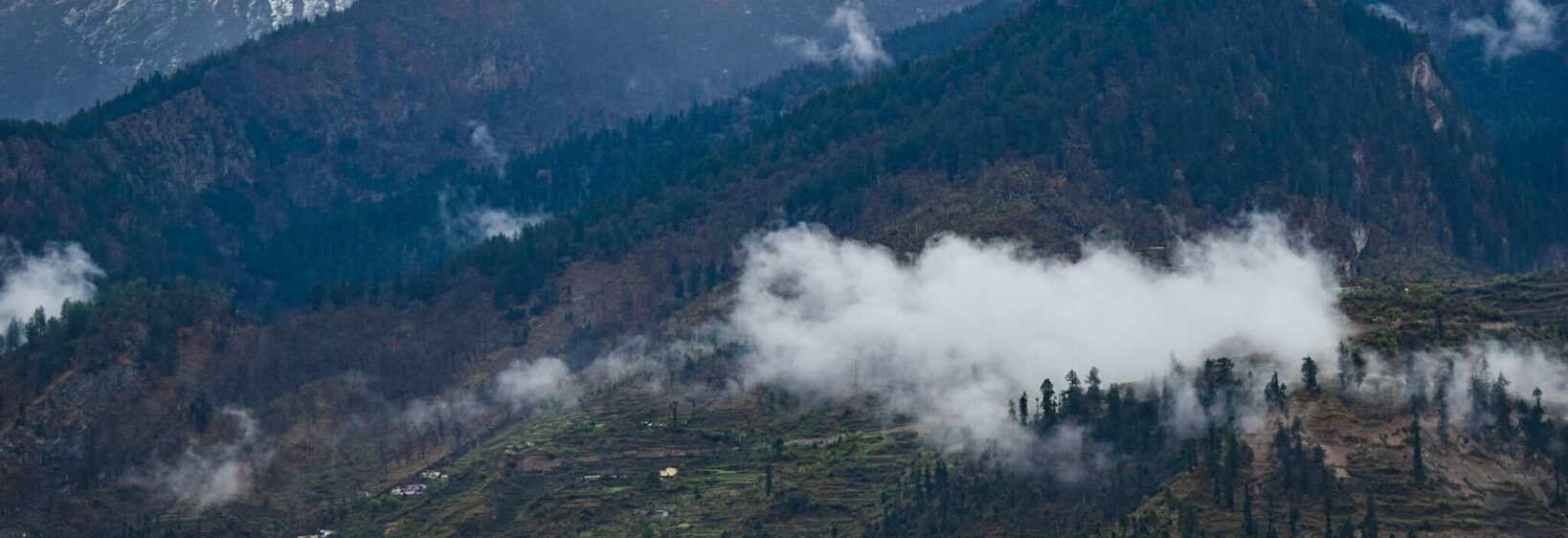
Kalpeshwar cave temple: the sacred heart of Panch Kedar
Perched above Helang village in Uttarakhand's Chamoli district, Kalpeshwar Temple sits inside a narrow rocky fissure that visitors must crawl through. This fifth and final Panch Kedar shrine is a living cave where a small Shiva lingam appears to grow from the rock wall, kept wet by ceaseless dripping water. Travellers who have ticked off the other four kedars say Kalpeshwar feels the most intimate.
For Australian pilgrims, the journey is long but manageable. Sydney or Melbourne to Delhi takes twelve to fourteen hours, with a one-stop via Singapore or Kuala Lumpur adding comfort without a punishing price tag. Travellers from Brisbane or Perth often add a Changi stopover for an Indian SIM before the domestic hop to Dehradun.
Panch Kedar routes have grown popular among Australian spiritual travellers, partly because the local diaspora keeps strong ties to Uttarakhandi heritage. Yoga retreats from Byron Bay to Fremantle have introduced a generation of Aussies to the broader circuit of Shiva temples, and Kalpeshwar's remoteness appeals to those after something quieter. The five-temple circuit typically takes ten to fourteen days.
Below is a practical look at how to plan the trip, what the cave itself feels like, and where the journey fits into the wider pilgrimage across the Garhwal Himalaya.
Reaching the temple from Helang village
Helang sits twelve kilometres from Joshimath on the road to Suraithota, reached by shared taxi or jeep from town. The cheapest route from Delhi is the overnight train to Haridwar followed by a bus or hired car, and Australians used to long drives will find the hairpin bends familiar after a day on the Great Ocean Road. The twelve-hour ride to Joshimath costs roughly the same as a return trip from Sydney to Coffs Harbour.
The last stretch is a short uphill walk from Urgam village, around ninety minutes on a stone and dirt trail. Early starts help avoid afternoon cloud build-up and queues at the cave entrance. Pair this visit with photographing the wooden temples of the jageshwar forest, a short detour on the way back to the plains.
Inside the sacred cave
The cave is only a few metres deep, but the low ceiling forces visitors to bend or crawl for the final approach, heightening the sense of entering somewhere secret. The murti inside is a natural rock formation that priests believe emerged when the Pandavas sought Shiva to absolve them after the Mahabharata war. Water drips steadily from the ceiling, keeping the floor slippery in wet weather.
Photography is restricted inside, and visitors leave leather items, phones and bags with attendants outside. The hushed atmosphere, with only a handful of pilgrims present, makes Kalpeshwar stand out from Kedarnath's busy courtyards. Australian Hindus visiting Delhi family often treat this cave as the place to quietly complete the circuit.
Why this is the fifth Kedar
Panch Kedar refers to five self-manifested Shiva shrines across the Garhwal Himalaya, and Kalpeshwar completes the pilgrimage because it represents Jata, the matted locks of Shiva. Kedarnath covers the hump, Tungnath the arms, Rudranath the face, Madhyamaheshwar the navel, and Kalpeshwar the hair. Completing all five is essential for full spiritual merit, which is why even short itineraries include this cave as the closing chapter.
The legend ties back to the Pandavas, told that only Shiva could forgive the sin of fratricide, but the god hid as a bull and dived into the ground at Kedarnath. Parts of his body reappeared at each site, and the hair alone remained to be worshipped here. Pilgrims describe the cave as the place where the story finally settles, with dripping water symbolising the eternal flow of Ganga from Shiva's locks.
Best season and weather
The temple is open April to November, with heavy winter snow closing both cave and road. May and June offer rhododendron blooms and long daylight, while September and October give clear mountain views once the monsoon clears. Australians used to alpine conditions in the Snowy Mountains should still expect thinner air at 2,200 metres.
Monsoon rain between mid-June and August can trigger small landslides, so flexible bookings are worth the extra spend. Travel insurance covering trekking and emergency evacuation is widely available from Australian providers and is fair dinkum value for the full circuit. Pack a lightweight rain jacket, even in late spring.
Trekking preparation and gear
The walk from Urgam is short, but rocky steps demand decent footwear and a walking pole if you are not used to uneven terrain. Australians often train on the trails around Mount Wellington in Tasmania or the Grand Canyon track in the Blue Mountains to build leg strength. A small daypack with two litres of water, dry snacks and a warm layer is plenty for this stage.
Hiring a local Urgam guide is recommended for safety and to support the trail communities. Most speak enough Hindi and English to explain the rituals, and the customary tip matches what you might hand a day guide at Uluru. Those wanting a fuller photographic record of Uttarakhand's sacred architecture can browse the UK Photos Gallery archive, which covers nearby temple sites and mountain landscapes.
Where to stay and eat
Urgam has a cluster of guesthouses and dharamshalas catering to pilgrims, with basic rooms and hot meals. Joshimath, an hour down the valley, offers wider choices from budget lodges to mid-range hotels with hot showers and Wi-Fi. Booking ahead is straightforward, and Australians will find the rupee stretches further, with a private room often costing about the same as a Melbourne hostel night.
Meals are simple and vegetarian, with thalis of rice, dal, sabzi and roti served at most lodges. Carry a reusable water bottle with a filter, as anyone who treks back home is already in the habit of avoiding single-use plastic. The warmth of the locals in Urgam matches the spirit of the cave, making Kalpeshwar a fitting close to the Panch Kedar journey.