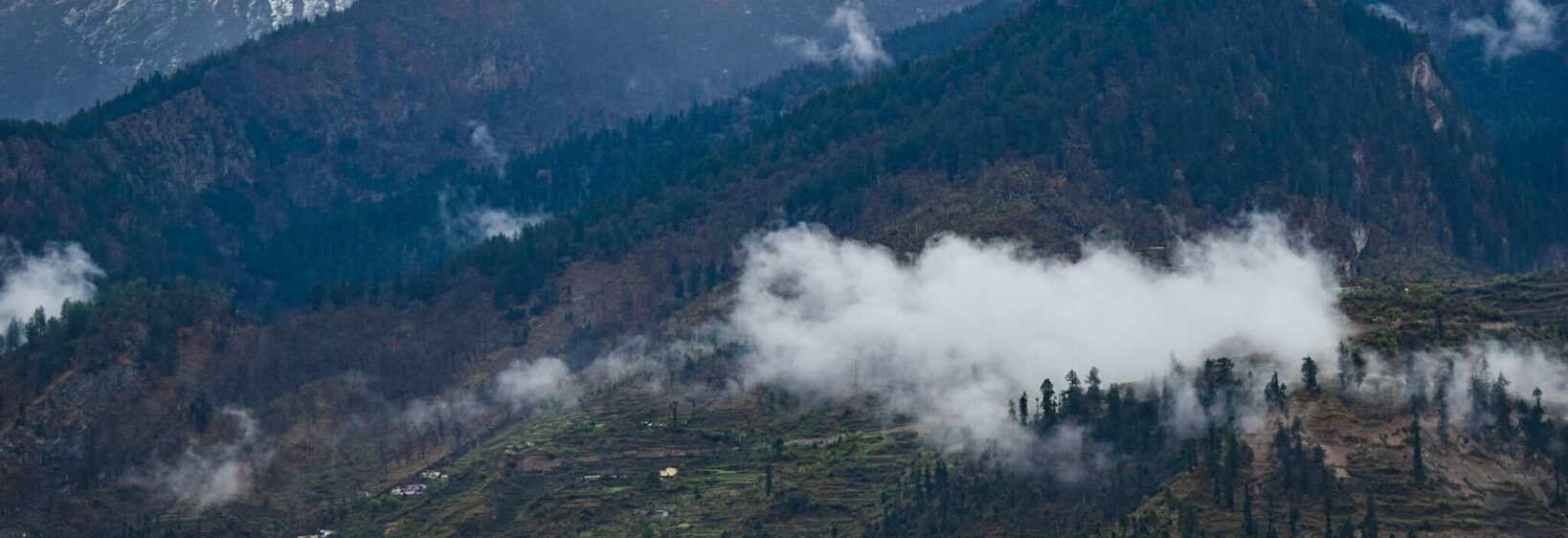
The Chakrata Tiger Falls: Cascading Waterfall and Forest Picnic Spots
Hidden among the pine and deodar forests of Uttarakhand, Tiger Falls is one of the most rewarding short excursions from Chakrata. Water drops in a tall silver ribbon over dark rock before collecting in a clear pool, creating a peaceful setting for photography, woodland walks and a simple picnic.
The journey suits travellers who want a quieter Himalayan experience rather than a busy hill-station itinerary. From the forested roads around Chakrata to the sound of the stream below the falls, the outing offers a refreshing change from city sightseeing and a memorable addition to an Uttarakhand holiday.
Reaching The Waterfall From Chakrata
Chakrata is in Dehradun district, roughly 90 kilometres from Dehradun by road. Travellers usually reach the cantonment town through Vikasnagar and then continue towards the Tiger Falls route by taxi or private vehicle. The final approach passes through wooded slopes, small villages and open mountain viewpoints.
The road can be narrow, uneven and affected by landslides during the monsoon. A local driver is useful because navigation signals may be unreliable and parking arrangements can change. From the usual vehicle point, visitors walk down a forest trail for approximately a kilometre, although the exact distance and condition vary with road access and seasonal repairs.
Walking Through Pine And Deodar Forests
The path to Tiger Falls is part of the attraction. Tall conifers shade sections of the trail, while exposed stretches reveal ridgelines and valleys across the Chakrata region. The walk is moderate, but the return climb can feel strenuous at altitude, particularly after spending time beside the water.
Comfortable walking shoes with firm grip are more suitable than sandals. Carry drinking water, a light rain jacket and a small first-aid kit. Visitors travelling from Sydney or Melbourne may recognise the relaxed bushwalking rhythm, but Himalayan trails can have loose stones, muddy sections and sudden weather changes that deserve extra care.
Picnic Time Beside The Cascade
The stream and surrounding clearings provide attractive places for a quiet meal, provided visitors stay away from the strongest current and slippery rocks. A packed lunch, fruit and hot tea from Chakrata make an easy picnic, while local snacks bought from small shops support the nearby community. Plastic wrappers and food waste should be carried back rather than left in the forest.
Swimming may look inviting in the pool, yet water depth, submerged rocks and changing flow make caution essential. Children should remain within close reach of adults, and visitors should avoid climbing the wet cliff face. The sound of falling water is best enjoyed from a stable viewpoint where photographs can be taken safely.
Best Seasons And Practical Costs
The waterfall is attractive through much of the year, though the surrounding scenery changes with the season. Spring and early summer bring pleasant walking conditions, while the post-monsoon months often offer fresh greenery and clearer mountain air. During heavy rain, the trail may become muddy and the approach road more difficult. Winter mornings can be cold, so warm layers are worthwhile.
Budget for transport from Chakrata, food, and any local parking or guide charges in Indian rupees. Card payments may not work in remote areas, making cash important; an Australian traveller should exchange some AUD before leaving Dehradun or use a reliable ATM in a larger town. Mobile coverage can also fade along the forest route, so download maps and share travel plans before setting out.
Combining Tiger Falls With A Wider Trip
Tiger Falls works well as a half-day outing, leaving time to explore Chakrata’s viewpoints, markets and nearby forest roads. Travellers with an extra day can visit Deoban for wide Himalayan panoramas, while quieter village walks offer glimpses of local farming and mountain life. Early starts are helpful because mist, traffic and afternoon showers can slow the return journey.
Those planning a longer trek can compare the landscape with the Har Ki Dun guide, a much more demanding valley journey. Temple etiquette and local customs also matter across Uttarakhand: dress modestly near religious sites, remove shoes where requested and ask before photographing residents. For destination ideas, seasonal travel notes and regional images, the Uttarakhand photo archive provides useful inspiration before building an itinerary.