Patal Bhuvaneshwar Cave: Limestone Formations And Mythological Passages
Hidden in Uttarakhand’s Kumaon region, Patal Bhuvaneshwar Cave is an atmospheric destination where geology, folklore, and pilgrimage meet. The cave lies near Gangolihat in Pithoragarh district, surrounded by pine-covered hills and quiet villages far from the busier circuits of Nainital and Mussoorie.
Visitors descend through a narrow entrance into a remarkable underground world of limestone chambers, mineral deposits, hanging formations, and naturally sculpted passages. Local belief connects these shapes with Hindu deities and sacred stories, giving the cave a spiritual character that is just as important as its geological appeal.
For travellers from Australia, the journey rewards careful planning. Reaching the site involves mountain roads, changing weather, and a slower pace than a city break in Sydney, Melbourne, or Brisbane. In return, visitors encounter a distinctive side of Uttarakhand, with village life, temple traditions, and landscapes that feel genuinely remote.
Location And Mountain Setting
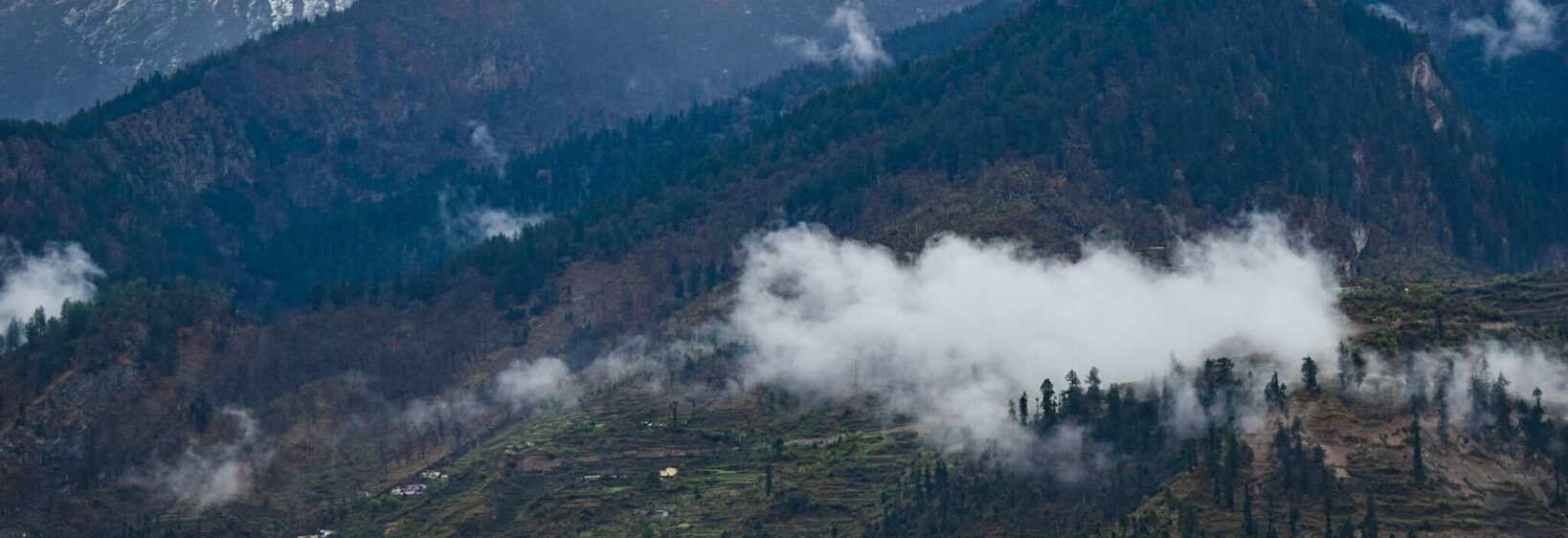
Patal Bhuvaneshwar is located at roughly 1,350 metres above sea level, although the surrounding Kumaon landscape rises and falls dramatically. Gangolihat is the nearest major settlement, while Almora, Pithoragarh, and Bageshwar can serve as useful stops on a wider itinerary.
The approach passes through terraced fields, oak and pine forests, roadside shrines, and small market areas. Unlike the heavily visited roads around Rishikesh, the region has a quieter rhythm. Shops may close early, public transport can be infrequent, and mobile coverage is not guaranteed in every valley.
Limestone Chambers And Natural Formations
The cave is formed from limestone, a rock that dissolves gradually as water moves through cracks beneath the surface. Over long periods, this process creates chambers, grooves, stalactites, stalagmites, and unusual textures that resemble figures or animals under the cave’s subdued lighting.
The route inside is narrow and uneven in places. Railings, steps, and electric lights make the pilgrimage route more accessible, but the underground passage remains physically demanding for some visitors. The floor can be damp, so sturdy footwear is more practical than sandals or smooth-soled trainers.
Useful Items For The Cave Visit
- Shoes with reliable grip
- A light jacket for the cool interior
- Small cash for local purchases
- A compact camera with low-light settings
The cave’s formations should be viewed carefully rather than touched. Oils from hands can damage delicate mineral surfaces, while following local instructions helps preserve this unusual natural site for future pilgrims and travellers.
Mythological Passages Beneath The Earth
Patal Bhuvaneshwar is associated with several Hindu legends. The name is often interpreted as a reference to an underground realm and Lord Shiva, while local tradition connects different rock shapes and chambers with deities, serpents, and episodes from the Mahabharata and other sacred narratives.
These interpretations are part of the living pilgrimage experience, not simply decorative stories added for tourists. Guides often point out formations believed to represent divine symbols. Their explanations may vary, reflecting the region’s oral traditions and the way religious knowledge is passed through families and temple communities.
The cave’s spiritual atmosphere is strengthened by chants, lamps, flowers, and nearby shrines. Visitors interested in Himalayan heritage may also enjoy reading about the wooden temples of Jageshwar, another Uttarakhand setting where architecture and devotion are closely connected.
Planning A Visit From Australia
Travellers flying from Australia will generally connect through Delhi or another major Indian hub before continuing by road into Kumaon. A realistic itinerary may combine Delhi with Almora, Pithoragarh, or nearby temple sites rather than attempting the cave as a quick side trip. Allow extra time for mountain traffic and weather delays.
Australian visitors should carry Indian rupees in smaller denominations, as card facilities may be limited in rural markets. Prices are usually modest compared with Sydney or Melbourne, but transport costs rise when hiring a private vehicle for long mountain routes. Booking a local driver or guide through a reputable operator can make the journey easier.
The most comfortable travel periods are generally spring and autumn, when conditions are cooler and roads are more manageable. Australian school-holiday travel can increase demand for flights and accommodation, while monsoon months may bring slippery roads, landslides, and disrupted transport.
Local Etiquette And Practical Comfort
Patal Bhuvaneshwar is a religious place, so modest clothing and quiet behaviour are appropriate. Visitors may be asked to remove shoes in temple areas, and photography can be restricted inside sacred sections. Ask permission before photographing priests, pilgrims, or villagers, especially during ceremonies.
Sun protection is still useful before and after the descent. A wide-brimmed hat, sunscreen, and reusable water bottle suit the strong mountain light familiar to travellers from Perth or Adelaide, while a breathable layer helps when temperatures drop inside the cave. Avoid relying on Australian-style tap-water assumptions; use sealed or properly filtered drinking water.
Sensible Travel Habits
- Check road conditions before departure
- Keep valuables secure in crowded markets
- Eat freshly prepared food from busy local stalls
- Respect signs, guides, and shrine boundaries
Accommodation near Gangolihat is simpler than a resort stay in Queensland or a boutique hotel in Melbourne. Guesthouses and basic lodges may provide clean rooms and warm hospitality, but advance confirmation is wise. Local meals often include rice, lentils, vegetables, and Kumaoni specialities rather than extensive international menus.
Photography And The Wider Kumaon Journey
The cave offers a challenging photography environment. Dim lighting, reflective surfaces, and narrow walkways make a phone camera more convenient than bulky equipment. A small tripod may be impractical, and flash use should follow local rules because it can disturb other visitors and affect the devotional mood.
Outside the cave, the surrounding hills provide broader visual opportunities: terraced farms, forest ridges, village homes, and changing layers of blue mountains. Combining Patal Bhuvaneshwar with Jageshwar, Almora, or Munsiyari creates a richer Kumaon itinerary focused on temples, folk culture, landscapes, and everyday Himalayan life.
This destination is best approached as a cultural and geological experience rather than a conventional sightseeing attraction. The limestone passages reveal the patient work of water and time, while the myths give the underground world meaning for generations of worshippers. Together, these elements make the cave one of Uttarakhand’s most memorable lesser-known journeys.