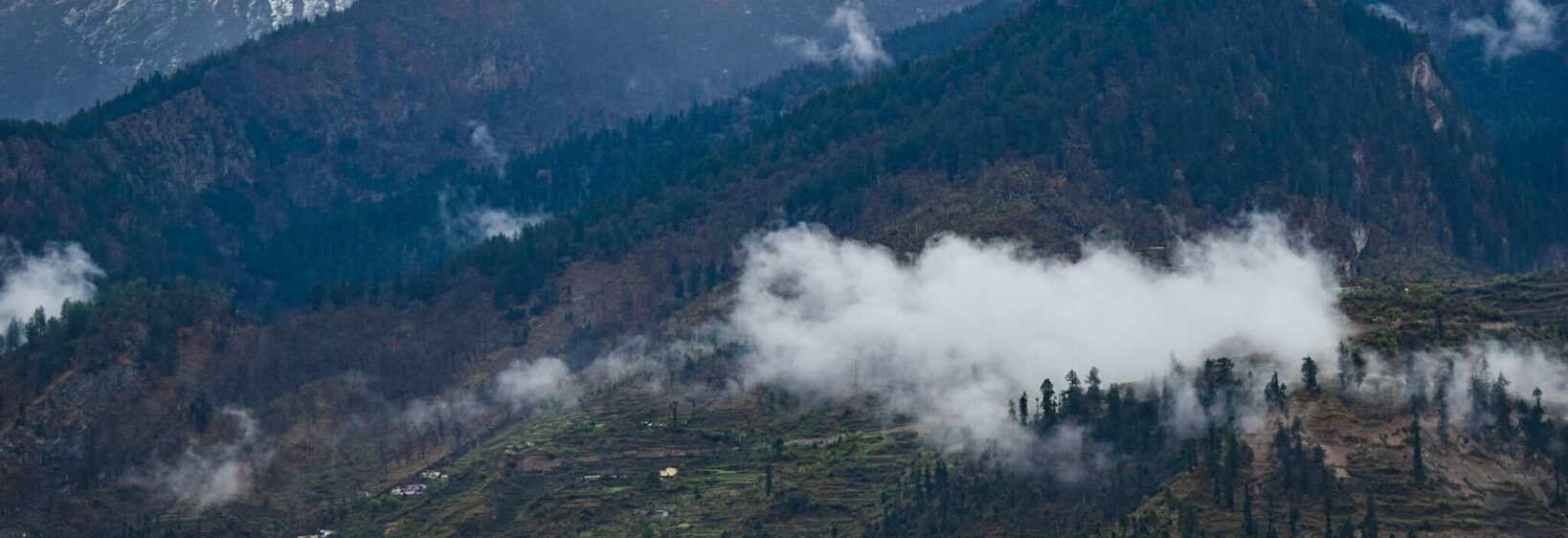
Photographing the Saryu River in Bageshwar at Evening
The Saryu River gives Bageshwar a rhythm that is easy to feel before it is easy to photograph. Water moves past stone ghats, temple steps and old bridges, while the surrounding Kumaon hills catch changing layers of blue and green. Near the meeting point of the Saryu and Gomti rivers, Bagnath Temple and the town’s riverside activity create a setting filled with small, authentic scenes.
For visitors from Australia, this is a gentle contrast to a coastal walk in Sydney, a riverside stroll in Brisbane or a weekend beside the Yarra in Melbourne. The pace is slower, the light is sharper, and everyday life remains closely connected to worship, farming and local trade. The Uttarakhand travel archive offers further visual context for planning a journey through the region.
Reading the river through a camera
The best riverside photographs usually begin with observation rather than equipment. Watch how the Saryu bends around the town, where sunlight lands on the water and how people use the ghats. A wide-angle lens can include the river, temple architecture and forested slopes, while a short telephoto lens is useful for bells, prayer offerings, textured stone and distant ridgelines.
Early evening often produces a balanced mixture of warm light and cool shadow. Reflections become more noticeable when the wind drops, and the river can act as a leading line towards the hills. Try slower shutter speeds only from a stable position, since uneven steps and low light make a tripod useful. Keep the river’s movement visible rather than smoothing every frame into an abstract blur.
Finding the most expressive light
Begin near the ghats while there is still enough daylight to identify safe paths and interesting viewpoints. The stone steps, bridges and riverside walls provide layers for composition, especially when a person, bicycle or temple flag adds scale. Look for details such as marigold petals, wet stone, carved surfaces and the changing colour of the current.
As the sun lowers, the town develops a softer atmosphere. Temple bells, lamps and distant calls can suggest the character of the scene even in a silent image. A respectful distance matters around worshippers, and it is better to ask before photographing individuals closely. Avoid placing cameras or feet on ritual objects, and do not block steps used by pilgrims.
Walking with the town’s daily life
An evening walk beside the Saryu is more than a scenic outing. Shopkeepers begin closing displays, families pause near the water, and visitors move between the market, temple and nearby streets. The scene may include schoolchildren, priests, flower sellers and travellers returning from other parts of Kumaon. These ordinary transitions often make stronger photo stories than posed views.
Bageshwar’s local food culture can also become part of the visual record. Small stalls serve tea and simple snacks, and a warm drink is welcome as temperatures fall after sunset. A related tea-stall photo story shows how roadside hospitality and travel photography can work together without turning local life into a backdrop.
Planning the journey from Australia
Australian travellers are familiar with outdoor preparation, yet Himalayan conditions require extra care. Someone leaving from Melbourne or Perth may arrive expecting a relaxed walk but find steep edges, uneven paving and sudden weather changes. Carry a refillable bottle, sun protection and a small torch; the Australian habit of packing water for a walk is especially useful here. The UV can be strong even when the air feels cool.
The Australian travel market often favours online bookings, flexible itineraries and school-holiday planning, while transport in Uttarakhand can take longer than map distances suggest. Arrange accommodation in Bageshwar or nearby towns before busy pilgrimage periods, and allow time for road delays. If bringing a drone, check India’s current permissions and local restrictions rather than relying on Australian expectations. CASA rules in Australia require recreational pilots to keep drones within visual line of sight, below 120 metres and away from people; local Indian rules and temple-area restrictions may be stricter.
Simple ways to plan the outing
A thoughtful visit keeps the walk comfortable, respectful and photographically productive. These practical choices help preserve attention for the river and the people who live beside it:
- Arrive before sunset to explore the ghats safely in daylight.
- Wear shoes with firm grip for damp stone and uneven paths.
- Use a small camera bag, spare battery and lens cloth rather than bulky equipment.
- Ask permission for close portraits, particularly near temples and private ceremonies.
- Keep clear of the water’s edge, never swim in unfamiliar currents and follow local advice during monsoon conditions.