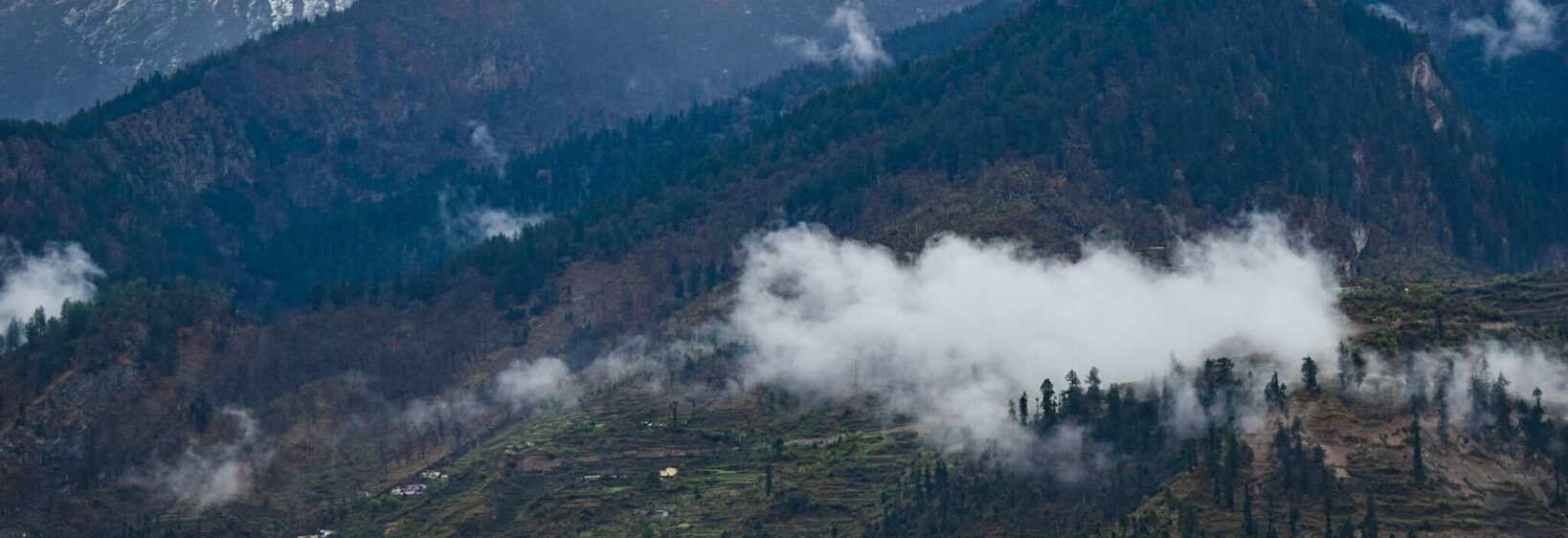
The Mana Village: Last Inhabited Village Near the India-Tibet Border
Mana sits high in Uttarakhand’s Chamoli district, around 3,200 metres above sea level and only a few kilometres from Badrinath. Long known as India’s last inhabited village near the India–Tibet border, it is now also promoted on signs as the “first village of India”. The settlement combines dramatic Himalayan scenery with a living Bhotia heritage.
For Australian travellers, Mana offers a very different mountain experience from the Blue Mountains near Sydney or the alpine towns of Victoria. The air is thin, roads are seasonal, and weather can change quickly. A visit is best planned as part of a broader Badrinath, Joshimath, or Valley of Flowers itinerary rather than as a quick stop on a long driving day.
Location And Mountain Setting
Mana lies at the end of the road beyond Badrinath, close to the Saraswati River and the high border region. Snow-covered summits, steep valleys, and exposed rock give the landscape a stark beauty. During the warmer months, the road from Joshimath and Badrinath is generally accessible, although landslides, roadworks, and heavy rain can cause delays.
The altitude matters. Visitors arriving from Delhi, Mumbai, or coastal Australian cities such as Brisbane may need time to adjust before walking far. Short strolls, plenty of water, warm layers, and protection from intense mountain sunlight are sensible. The village can be cold even when lower Himalayan destinations feel comfortable.
Bhotia Culture And Village Life
Mana has traditionally been associated with the Bhotia community, whose trade and seasonal movement connected the Himalayan valleys with Tibet. Local homes, woollen products, prayer flags, small cafés, and roadside stalls reflect a culture shaped by high-altitude farming, pilgrimage, and mountain commerce.
Tourism is now an important source of income, but Mana remains more than a scenic photo stop. Visitors should ask before photographing residents, homes, animals, or religious spaces. Buying locally made woollens, snacks, and handicrafts supports the village economy more directly than treating the settlement as a backdrop for social media.
Sacred Caves And Riverside Walks
Several attractions near Mana are connected with Hindu epics and pilgrimage traditions. Vyas Gufa is associated with the sage Vyasa, while Ganesh Gufa is linked with Lord Ganesha. The Saraswati River rushes through a narrow rocky channel, and the famous Bhim Pul is a natural stone bridge traditionally connected with the Mahabharata.
The walk towards Vasudhara Falls begins from the wider Mana area and becomes increasingly demanding. Conditions can be uneven, and the route is unsuitable for casual footwear in wet weather. Travellers from Melbourne or Canberra who are used to marked bushwalking tracks should remember that Himalayan paths may have fewer barriers, signs, and emergency facilities.
Wildlife And Himalayan Photography
The surrounding mountains support a range of high-altitude birds and animals, although sightings are never guaranteed. The Himalayan monal, with its brilliant metallic plumage, is one of Uttarakhand’s most attractive species. Anyone interested in wildlife photography can learn about spotting the monal before travelling, particularly when visiting nearby protected landscapes.
Early morning light is often ideal for photographing ridgelines, rivers, and village architecture. A telephoto lens is useful for birds, while a wide-angle lens captures the scale of the valley. Avoid chasing wildlife or using loud calls to attract it. Keep the riverbanks clean and carry rubbish back, as waste collection is limited in remote mountain settlements.
Best Time And Practical Travel Advice
The usual travel window runs from late spring to early autumn, with the clearest access generally between May and October. Winter brings heavy snow and severe cold, and many facilities close. Monsoon months can bring unstable roads, rockfall, and delays, so flexible bookings are valuable. This is especially relevant to Australian visitors arranging flights, accommodation, and leave well in advance.
Buses and shared jeeps connect the region with Joshimath, while private taxis offer greater flexibility. Accommodation is available in Badrinath and nearby towns, with simple guesthouses and small hotels more common than resort-style properties. Carry cash because card and mobile payment services may be unreliable, much as they can be in remote areas outside Australia’s major cities. Respect army and border restrictions, follow local instructions, and avoid photographing security installations.