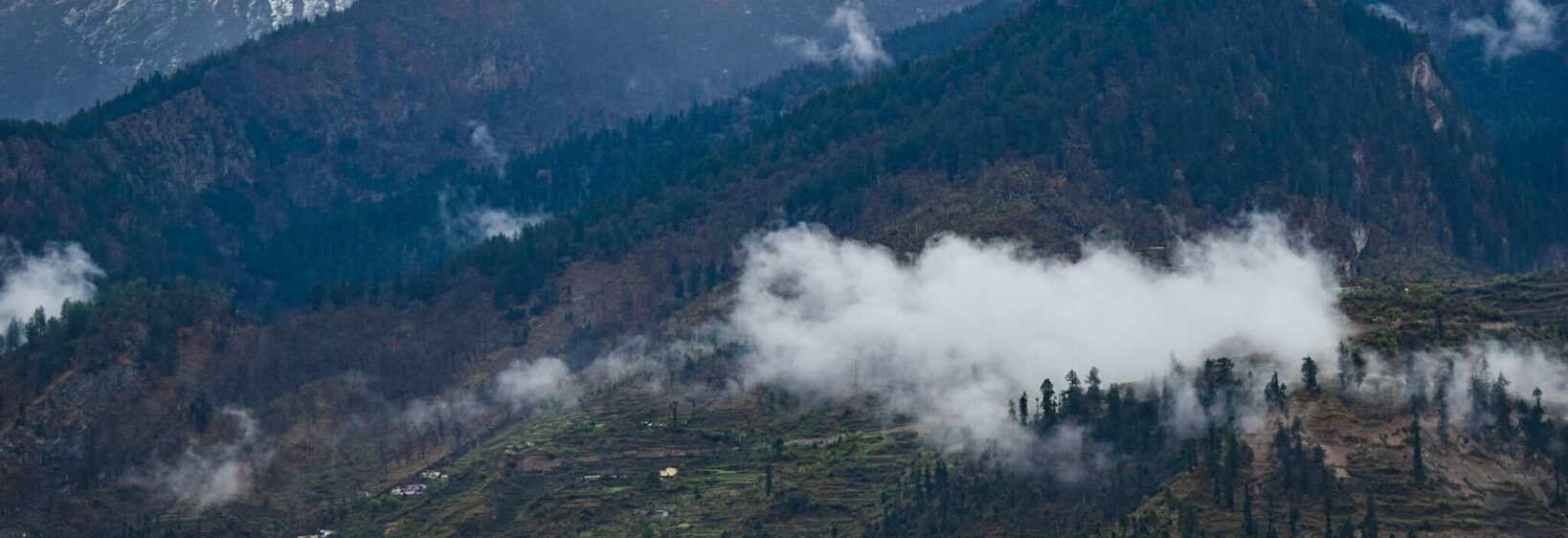
Capturing the Nanda Devi Sanctuary view from the Ghat trek
The Nanda Devi Sanctuary is one of the most tightly ringed glacial basins in the Garhwal Himalaya, and reaching it from the Ghat side means committing to a route few cameras ever see clearly. Photographers travelling from Australia usually arrive with two goals: a clean wide-angle composition of the inner sanctuary and an honest record of what the trek feels like underfoot. The result is a punishing mix of thin air, unpredictable weather and shutter speeds that must be guessed at because the light changes every ninety seconds.
Most visitors begin their Indian visa through the Australian Government Department of Home Affairs portal, juggling e-visa fees alongside the GST a Sydney camera shop attaches to a hired body. Altitude rules apply whether you trained on the Overland Track in Tasmania or the Kokoda side trails in PNG. The UK Photos Gallery archive gathers the broader trail notes Australian readers check before booking a porter or hotel in the Garhwal towns.
What follows is a field account of the Ghat trek from the photographer's side of the lens, from the first frame at Lata Village to the final ridge that reveals the sanctuary. It blends practical trekking tips with the technical notes that come from carrying two kilos of glass and a battered tripod across scree and snow.
Approaching the sanctuary from the Ghat side
The Ghat trek begins at Lata Village and climbs through oak and rhododendron forest before spilling onto open meadows below the outer rim. The path is rarely graded like a Tasmanian day-walk; it switches between root-stitched trail, loose shale and short snow patches that linger into May. Most Australian trekkers arrive after a season of early-morning shoots at Bondi or sunrise sessions at the Twelve Apostles, and they are rarely prepared for the vertical exposure once the tree line falls away.
Within two days the route reaches the camping flats at Belta and a high meadow photographers call "the balcony" because it is the first place where the eastern wall catches the morning sun. The main summit stays hidden, but Nanda Kot and the south glaciers rise above the ridge like a curved white theatre. Tripods are optional; the wind is stable before nine a.m., and the light suits both full-frame and crop bodies.
The third day is where patience is tested. The sanctuary opens in stages, with each new ridge revealing another wall of ice and granite, and the composition shifts every time a cloud lifts. Australian bushwalking etiquette emphasises leaving campsites clean, and the same courtesy applies on the Ghat; every wrapper, cable tie and spent UV filter must be packed out, because the inner zone falls under strict Indian national park rules.
Light, weather and the short shooting window
Weather inside the sanctuary is its own animal. Mornings can be postcard clear while afternoons fill with a cold cumulus build-up that swallows the peaks by two p.m. The most reliable window is the ninety minutes after sunrise, when the snowfields glow pink and the wind has not picked up. After that, exposure becomes a guessing game: shutters under 1/250 of a second are risky without a tripod, and polarisers behave differently at 4,000 metres because the air is drier than anything a Sydney Harbour photographer has framed.
A useful habit, borrowed from Australian commercial studios that work with shifting natural light, is to bracket every important frame. Shoot at -1, 0 and +1 EV, then pick the cleanest file on a laptop powered by a power bank. Altitude saps batteries faster than cold alone, and lithium cells that last a full wedding shoot at home can die in three hours on the ridge. Many Australians pack a small 10,000 mAh brick, which sits within the Australian Civil Aviation Safety Authority carry-on limits.
The best snowfield light comes after a fresh fall, when the surface scatters the sun and removes harsh shadows. On those days the sanctuary looks almost lunar, and the temptation to shoot wide open is strong; resist it. Stop down to f/8 or f/11, focus a third of the way into the frame, and let the foreground rocks carry the depth the snow refuses to give.
Gear, glass and the weight problem
Every kilogram matters on the Ghat, and Australian photographers who travel light on a domestic assignment quickly discover that a full-frame mirrorless kit, three lenses and a carbon tripod weighs more than a porter's daily food allowance. A sensible kit is a single body with a 24–70 mm zoom for broad sanctuary frames and a 70–200 mm for compressed ridge lines. Leave the 16–35 mm at home unless you are committed to stitched panoramas, because changing lenses in gusts above the tree line invites dust and snowflakes onto the sensor.
Filters should be limited to a circular polariser and a 6-stop ND. Graduated NDs are tempting for the bright snowfields, but the dynamic range of modern sensors handles the scene better than any soft-edge filter. Australian photographers working under the Australian Consumer Law one-year warranty rules should register every serial number before leaving home, because gear failure at altitude is rarely covered by travel insurance.
For anyone curious about the patience required to wrestle with raw files after a punishing shoot, the long-form notes behind scratchy offer a parallel obsession, although the subject is log analysis rather than mountain light. The discipline of sifting noise from signal is identical.
Editing and the honest frame
Post-processing is where most sanctuary photographs either earn their place in a portfolio or quietly fade into social media oblivion. The temptation is to push the saturation, to turn the snow a touch more blue and the granite a touch more golden. Resist that instinct. The sanctuary reads as a quiet, almost monochrome place, and an honest edit keeps the palette close to what the eye saw through the viewfinder.
Australian photographers used to delivering contrasty prints for café walls in Fitzroy or Surry Hills often struggle with the gentleness of high-altitude light. The trick is to lower global saturation by around fifteen percent, add a faint cool tint to the shadows and warm the highlights just enough to keep the snow from looking dirty. Sharpen only the ridges; the snow does not need it and will only pick up unwanted grain.
Continuing the journey across Uttarakhand
The Ghat trek is one piece of a wider visual conversation across Uttarakhand, and the same patience that wins you a clean sanctuary frame will serve you on rock shelters, river terraces and pilgrim towns a few valleys away. The foothills are where the practice is built.
Readers who want to extend that conversation will enjoy a quiet photo walk through the Bhimbetka-style shelters that the region is quietly famous for. The sanctuary remains the prize, but the foothills are where the practice is built.