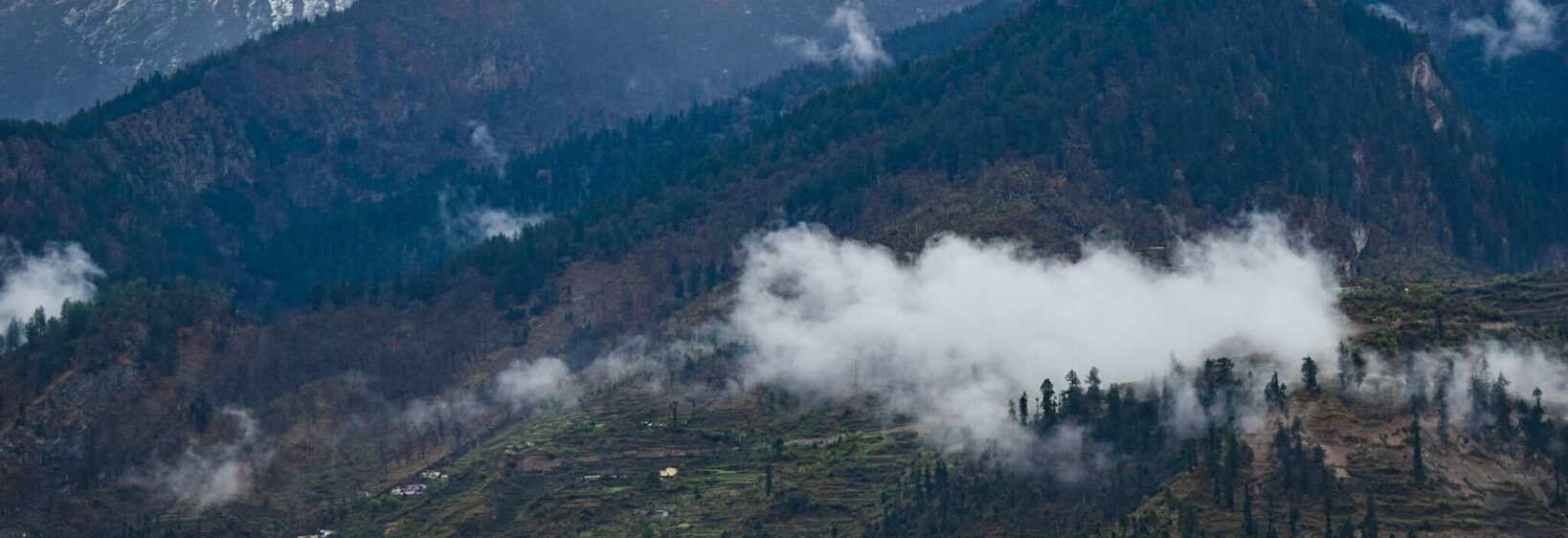
Rajaji National Park: elephants beneath the sal canopy
Rajaji National Park is one of Uttarakhand’s most rewarding wildlife destinations, stretching across the Shivalik foothills near Haridwar, Rishikesh and Dehradun. Its river valleys, grasslands and dense sal forests create a dramatic setting for seeing Asian elephants in the wild.
An elephant safari here is less about ticking off a guaranteed sighting and more about reading the forest. The landscape changes from open riverbeds to shaded woodland within minutes, while alarm calls, fresh tracks and broken branches can reveal animals before they appear.
For visitors travelling from Australia, Rajaji fits naturally into a broader Uttarakhand itinerary. It can be combined with yoga and rafting in Rishikesh, temple visits in Haridwar, or a longer mountain journey towards Mussoorie, Joshimath and the high Himalayan valleys.
The best experience comes with patience, practical clothing and respect for wildlife rules. Early starts, quiet observation and a reliable local naturalist usually matter more than expensive camera equipment.
Where the park lies
Rajaji National Park occupies a large corridor between the Ganges and the Shivalik hills. The Chilla, Motichur and Ranipur ranges offer different combinations of forest, meadow and water, although access arrangements and safari routes vary by season and gate.
Chilla, across the Ganges from Rishikesh, is particularly associated with elephant sightings and broad forest roads. Haridwar is convenient for travellers arriving by train, while Dehradun and Jolly Grant Airport can work better for visitors connecting with other parts of northern India.
The world of the Asian elephant
Asian elephants are the park’s best-known residents, and herds may be seen moving between feeding areas, water sources and shaded woodland. Females and calves commonly travel together, while adult bulls may appear alone or at the edge of a herd.
Sightings remain unpredictable. A safari vehicle can pass fresh dung, footprints and snapped bamboo without seeing an animal, then encounter a herd crossing the road moments later. Keeping voices low and avoiding sudden movement helps protect the calm behaviour that makes such encounters special.
Safari timing and access
Jeep safaris generally operate during cooler morning and afternoon periods, subject to forest department permissions, weather and seasonal closures. Winter mornings can be cold, while summer afternoons become intensely hot, so light layers, a hat and sun protection are useful.
Australians accustomed to early bushwalks around Melbourne or Sydney will recognise the value of starting before sunrise. Bookings, identification requirements and entry procedures should be checked through authorised operators, as unofficial promises of close elephant encounters are a warning sign.
Sal forests and river country
Sal trees dominate many parts of the park, forming tall stands with filtered light and a dry leaf-covered floor. Their presence gives Rajaji its distinctive woodland character, while khair, sissoo and riverine vegetation appear closer to streams and floodplains.
The Ganges and smaller seasonal waterways support birds, deer, wild boar and smaller mammals. In clear conditions, photography can capture shafts of light between the trunks, but dense foliage often rewards observation through sound rather than a wide landscape view.
Wildlife beyond elephants
Rajaji is also home to leopards, Himalayan black bears, deer, wild elephants and numerous bird species. Chital may be visible in open clearings, while sambar often stay near thicker vegetation. Langurs and rhesus macaques are common, though they should never be fed.
Birdwatchers may find hornbills, kingfishers, drongos, eagles and colourful woodland species. A telephoto lens is helpful, but binoculars can be more practical for scanning distant movement without disturbing animals.
Photography and responsible travel
A long lens, spare batteries and a dust-protective bag are valuable on forest drives. Neutral clothing reduces visual disturbance, and a beanbag or compact support can steady a camera inside a jeep. Avoid flash photography, loud playback and attempts to attract an animal’s attention.
The wider Uttarakhand landscape also suits patient image-making; ideas for framing mountain light can be found in this guide to Trishul peak photography. In Rajaji, the strongest photographs often show habitat and distance rather than forcing a close portrait.
Practical notes for Australian visitors
Travel insurance should cover wildlife activities, road transfers and medical care, while Australian visitors should retain digital and printed copies of passports, visas and bookings. India’s protected-area rules prohibit feeding wildlife, leaving vehicles on safari routes and collecting plants, feathers or other natural items.
Australians are familiar with strict biosecurity at home, including declarations for food, soil and outdoor equipment; similar care is sensible when moving between regions in India. Pack modest, breathable clothing, carry a reusable water bottle and use tap-and-go cards or cash where available, since smaller forest-side businesses may not accept Australian cards.
Accommodation ranges from camps and forest lodges to hotels in Rishikesh and Haridwar. Local tourism follows Indian school holidays and festival peaks rather than Australian public holidays, so prices and availability can shift quickly. Responsible evening dining also matters: understanding the cultural history behind an ancient drinking saying is very different from treating a wildlife destination as a party stop. Quiet nights support early safaris and respect nearby communities.