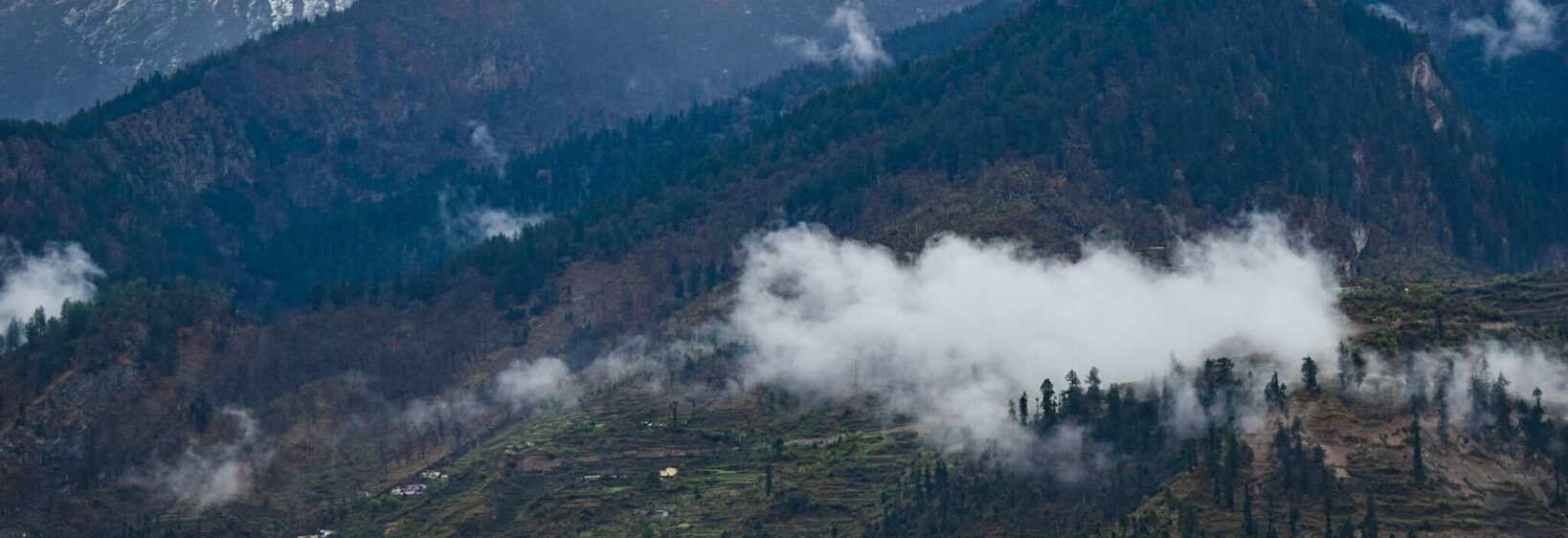
Garhwali Folk Music and Dance in Mountain Villages
The Himalayas hold many secrets, but few are as vibrant as the folk traditions of Garhwal. When travellers from Sydney or Melbourne book a flight to Delhi and then make their way north, they discover a region where every village has its own song, its own rhythm, and its own way of moving to the beat of the mountains. Garhwali folk music and dance are not museum pieces; they breathe with the seasons, the harvest, and the weddings that bring entire communities together.
Photography enthusiasts planning a trip from Australia will find that the light in Uttarakhand shifts similarly to the golden hour glow over Bondi Beach at dawn, except here it filters through deodar forests and settles on terraced fields. Capturing these performances requires patience, cultural sensitivity, and a willingness to let the music guide the camera rather than the other way around.
This article explores how to find, photograph, and appreciate the local performances that define Garhwal's cultural landscape, from the instruments in a musician's hands to the stories woven into every step.
The Heartbeat of the Hills
Garhwali folk music is deeply tied to the rhythms of daily life. Songs accompany planting and harvesting, celebrate the arrival of spring, and mark the departure of loved ones. The lyrics, often composed in local dialects, speak of rivers like the Alaknanda and Bhagirathi, of peaks shrouded in mist, and of deities who watch over the valleys.
For visitors arriving from Brisbane or Perth, the experience can feel like stepping into a living painting. The beats are driven by instruments such as the dhol, damau, and thali, each producing a sound that carries across stone courtyards. Musicians rarely perform for an audience; they perform with the community, and outsiders who wish to photograph must first be invited into the circle.
Instruments That Tell Stories
The traditional Garhwali orchestra is modest but expressive. The hurka, a small handheld drum, sets the tempo, while the ransingha, a curved brass horn, adds a haunting call that echoes off the hillsides. String instruments like the taus and the dilruba bring melody, often played by elders who learned the craft from their grandparents.
Australian travellers familiar with the didgeridoo will recognise a similar connection between instrument and landscape. Just as the didgeridoo carries the sound of the Australian bush, the ransingha carries the wind of the Himalayas. Both instruments are not merely played; they are conversations with the environment.
Dance Forms and Their Meanings
Dance in Garhwal is as varied as the terrain. The choliya dance, performed with swords, traces its origins to the warrior traditions of the region, while the jhora dance brings villagers together in a circle, clapping and moving to fast-paced rhythms. Weddings feature the thadya, a graceful dance where women balance brass pitchers on their heads.
In comparison, Australian cultural events such as the Yirrkala Bark Petitions commemorations or the dances at the Garma Festival share a similar communal purpose, though the settings differ greatly. The lesson for photographers is to look beyond the spectacle and capture the relationships between performers, the way hands meet, the glances exchanged, and the quiet smiles of older generations watching the young.
Photographing Performances Respectfully
A good photograph of a Garhwali performance tells a story without interrupting it. The best approach is to spend time in the village first, share a meal, and let curiosity turn into conversation. When permission is granted to take photos, using a silent shutter mode or a mirrorless camera helps avoid disturbing the music.
Just as visitors to the Queen Victoria Market in Melbourne respect the vendors' space and ask before photographing their stalls, the same courtesy applies in Garhwal. A smile, a nod, and a few words in Hindi or the local dialect go further than any camera setting. Photographers who build trust often find themselves invited to private rehearsals and family gatherings, where the most authentic moments unfold.
Village Festivals Worth Witnessing
Timing is everything. The Harela festival in July celebrates the harvest, with dancers moving through fields at sunrise. The Nanda Devi Raj Jat, held every twelve years, draws pilgrims from across the region, and along the route, folk performances erupt spontaneously in village squares.
Travellers coming from Adelaide or Hobart should plan their itineraries around these events, as they offer a concentrated glimpse of Garhwal's living traditions. Local homestays often coordinate visits to nearby performances, and the warmth of a Garhwali host is comparable to the hospitality found in regional Australian towns where guests are treated like family.
Travel Tips from Australia to the Garhwal
Most Australian visitors fly into Delhi, then take a connecting flight to Dehradun or Rishikesh before driving into the hills. The journey is long, roughly comparable to flying from Sydney to Cairns and then driving to a remote outback town, but the reward is access to villages that feel worlds away from the capital.
Pack layers, as mountain evenings can be cool even in summer. Carry a modest camera kit, since lugging heavy gear up narrow village paths is impractical. Australians accustomed to bushwalking in the Blue Mountains will find the Garhwal trails familiar in spirit, though the altitude and terrain demand respect.
Preserving Traditions Through Imagery
Photography is a powerful tool for cultural preservation, but it must be paired with storytelling. Images shared online can inspire other travellers, support local economies, and keep traditions visible to younger generations of Garhwali themselves. Pairing a photo essay with notes about the instruments, the songs, and the people creates a record that lasts longer than a single visit.
For those who fall in love with the region, exploring other aspects of Uttarakhand's heritage, such as honey production in Uttarakhand, offers another way to connect with the land and its people. The mountains give much, and those who listen closely will always hear another song waiting to be sung.