The Rudraprayag to Kund Road: Gorge Views and Riverside Aarti
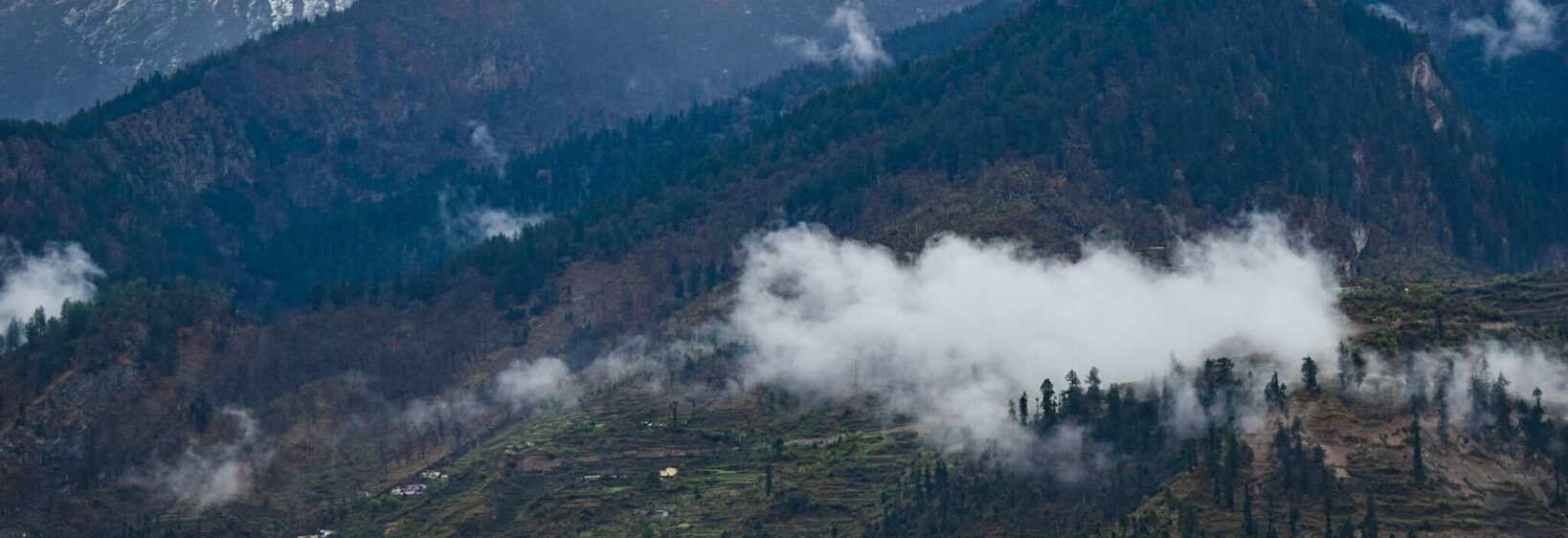
The road from Rudraprayag towards Kund follows the Mandakini valley through steep Himalayan terrain, where slate-roofed villages, forested slopes and deep river bends shape the journey. It is a scenic route for travellers who prefer observing the landscape slowly rather than treating the drive as a quick transfer between destinations.
Along the way, the river appears and disappears below the road, while shrines, suspension bridges and small market towns provide natural pauses. The most memorable moments often come at the ghats, where evening lamps, temple bells and the sound of flowing water create a peaceful contrast to the rugged gorge.
Reading the valley between Rudraprayag and Kund
Rudraprayag is built around the meeting of the Alaknanda and Mandakini rivers. From the town, the road follows the Mandakini towards Tilwara, Agastyamuni and further into the valley before reaching Kund. The route includes winding sections, narrow shoulders and stretches where the mountains rise sharply from the river.
In clear weather, the gorge views are dramatic: pale rock faces, pine-covered ridges and cultivated terraces appear in layers above the water. Monsoon travel can bring landslides, loose stones and delays, so checking road conditions locally is essential. A driver familiar with hill roads is a valuable part of any itinerary.
Ghats, temples and the evening lamps
Rudraprayag Sangam is the most significant riverside stop for aarti. As daylight fades, visitors gather near the steps to watch lamps being offered to the rivers. The ceremony may be simple rather than grand, with devotional singing, bells and families standing quietly beside pilgrims.
Smaller ghats and riverfront shrines along the valley can offer a more intimate experience, although their facilities and ceremony times vary. Ask at a nearby temple or guesthouse before planning an evening visit. Dress modestly, keep footwear where requested and avoid placing plastic, food wrappers or synthetic offerings in the river.
A practical road trip for Australian travellers
For visitors from Australia, this drive suits the same mindset as a scenic Blue Mountains or Great Ocean Road outing, but the conditions are considerably more demanding. Distances that look short on a map can take hours because of bends, traffic, roadworks and animal crossings. Build in daylight travel, regular breaks and flexibility rather than packing the itinerary tightly.
Australians may hear “arvo” used casually by fellow travellers, but local conversations are more likely to involve road conditions, weather and pilgrimage traffic. Carry small Indian rupee notes for tea stalls, temple donations and parking, while UPI payments are increasingly common in towns. International cards may work at larger hotels but should not be relied on in remote stretches.
Food, stays and responsible photography
Tilwara, Agastyamuni and Rudraprayag provide basic hotels, lodges, cafés and general shops. Rooms can fill quickly during pilgrimage seasons, weekends and school holidays. Australian travellers accustomed to booking through major platforms should also call smaller properties directly, as local availability is sometimes better than online listings.
Photographers will find strong compositions at dawn and late afternoon, when light reaches the opposite cliffs and reflects on the Mandakini. A compact camera or phone is easier to manage on uneven paths. Ask permission before photographing worshippers, sadhus, shopkeepers or private homes, and keep a safe distance from the river edge.
Travellers comparing this route with other Himalayan experiences may enjoy these travel planning notes before choosing transport, accommodation and walking distances. The same preparation is useful for anyone extending the journey towards Guptkashi or Kedarnath.
Extending the journey beyond Kund
Kund is a useful junction for exploring the upper Mandakini region, including routes towards Ukhimath, Guptkashi and nearby mountain villages. The landscape becomes quieter as traffic thins, though services also become less frequent. Fuel, cash, medicines and charged devices should be organised before leaving the larger towns.
Those interested in longer mountain walks can compare the road journey with the demanding Kafni Glacier trek, while travellers wanting a gentler hill-town contrast may consider a separate visit to Lansdowne through this quiet cantonment guide. Together, these experiences show how varied Uttarakhand can be, from river ceremonies and dramatic gorges to forest roads and high-altitude trails.