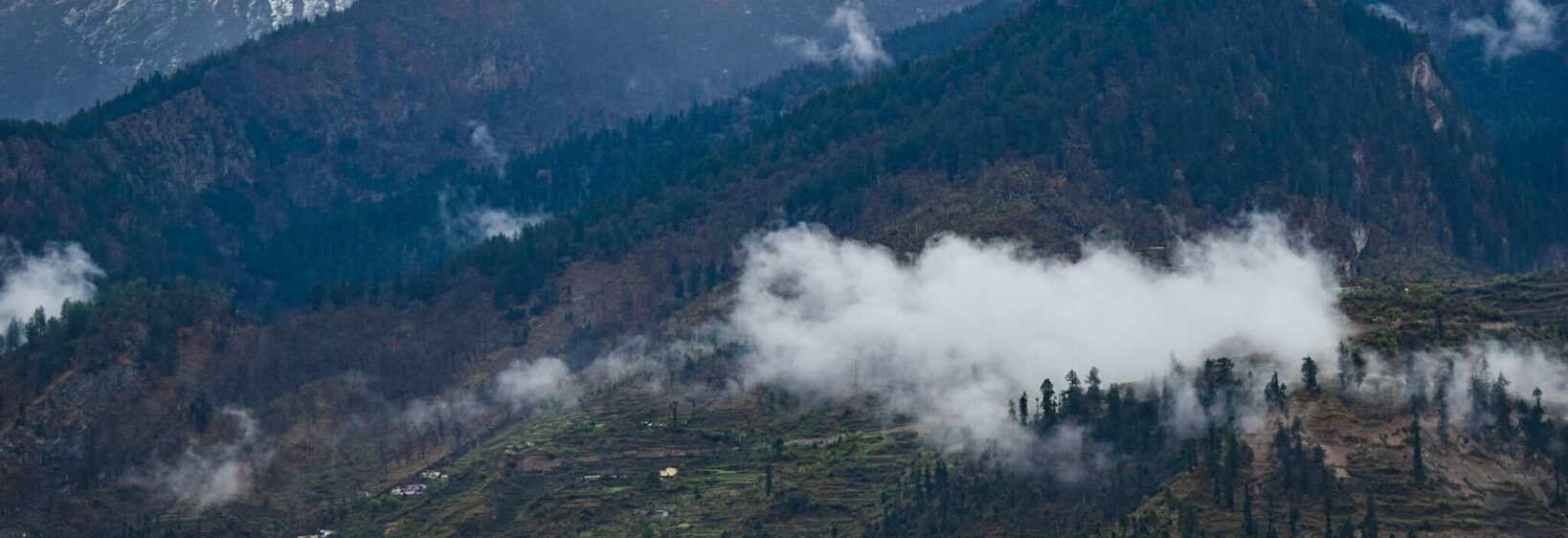
Photographing the Kumbh Mela at Haridwar's sacred ghats
When the sun slips behind the Siwalik foothills and conch shells echo along the Ganges, Haridwar transforms into the world's most photographed riverbank. The Kumbh Mela, held every twelve years at this ancient pilgrimage site, draws tens of millions of sadhus, families, and tourists who wade into the cold water for ritual immersion. Photographers arrive alongside them, chasing saffron-clad nagas, flaming diyas, and the geometric patterns of floating offerings.
Har Ki Pauri and the surrounding ghats form a stage of stone steps, timber platforms, and crowded alleys where every frame contains motion, ritual, and devotion. The scale overwhelms even seasoned professionals who have covered large music festivals or major sporting events. Between dips, pilgrims trade glances with lenses, while the evening Ganga aarti turns the river into a corridor of fire that reflects off camera bodies and wet saris.
Photographers based in Sydney or Melbourne increasingly slot Haridwar into their Asian circuits, often pairing it with a stopover in Singapore or a direct flight from Tullamarine. Travelling from Australia means factoring in visa paperwork, monsoon-season dengue precautions, and the logistical reality of carrying professional gear through dense crowds. The expense is significant, but the visual payoff rivals any assignment on the calendar.
This guide covers legal preparations for Australian residents, equipment for both aerial and crowd-level work, vantage point selection, ethical considerations, and post-production workflows. Whether you are a hobbyist with a mirrorless body or a licensed ReOC operator, the festival rewards planning as much as patience.
| Vantage point | Best subject | Access difficulty | Permits required |
|---|---|---|---|
| Drone under 120 m | Aerial panoramas, river curves | High | Indian DGCA, local police, CASA rules for Australian operators |
| Har Ki Pauri steps | Priests, ritual bathing | High (crowded) | None, but arrive before dawn |
| Mansa Devi ropeway | Wide establishing shots | Medium | Standard ropeway ticket |
| Rooftop cafés across the river | Compressed crowd layers | Low | Café purchase, no formal permit |
| Ganges bridge at sunset | Silhouettes and traffic | Low | None |
Understanding the spiritual and visual scale
Haridwar sits where the Ganges leaves the Himalayas, and during Kumbh the city doubles in size within hours. Pilgrims camp in tent cities, on rooftops, and along railway platforms. For a photographer this density offers something rare, a scene that changes every second. The challenge is not finding a frame but protecting your gear from sandalwood paste, vermillion, and the occasional elbow.
Timing matters as much as technique. The most arresting shots cluster around the shahi snan days, when different akharas process into the water in sequence. Knowing the published almanac of bathing dates, and arriving two hours early, often separates a forgettable sequence from a portfolio-defining one. Many Australian photographers also cross-reference the Indian festival calendar with Australian daylight savings, because a 5:30 am Haridwar sunrise corresponds to a 10 am Melbourne brunch.
Navigating Australian drone regulations at Haridwar
Drone work over the ghats is not a casual decision. In India, the Directorate General of Civil Aviation restricts flights near religious gatherings, and local Haridwar police issue temporary no-fly zones each Kumbh year. Australian photographers must also satisfy CASA requirements before departure, including drone registration on the myCASA portal and a valid remote pilot licence for any commercial flight.
Operating commercially from Sydney or Brisbane does not exempt you from Indian rules. Most professionals carry a non-commercial drone, register it with Indian authorities on arrival, and restrict flights to daylight hours away from bathing zones. Battery fire risks rise sharply near crowds, so packing LiPo-safe bags and limiting sorties to ten minutes is standard practice. Insurance coverage that includes international third-party liability is worth the premium, especially over a river where a lost drone becomes a hazard to bathers below.
Gear for aerial and crowd photography
Crowd work demands weather-sealed bodies, fast prime lenses, and silent shutters. A 35 mm f/1.4 captures close ritual without intrusion, while a 70-200 mm isolates nagas on distant platforms. Aerial shooters lean on a second body with a wide zoom, plus ND filters to manage the bright river glare.
Pre-trip gear shopping in Tokyo has become a quiet ritual for Australian photographers routing through Haneda, and travellers often spend a day hunting down compact tripods, lens wipes, and film notebooks at specialty shops like those covered in stationery stores in Tokyo. Back home, retailers in Melbourne's CBD and Sydney's Harris Street stock last-minute filters, though prices beat Sydney by twenty percent on most mirrorless lenses.
Choosing your vantage point along the ghats
The Har Ki Pauri steps deliver the most intimate imagery but punish the unprepared. Arrive before sunrise, claim a spot near the upper platform, and shoot facing downstream to catch bathers entering the water. The Mansa Devi cable car offers a slower, cleaner aerial perspective that pairs well with a 24-70 mm zoom.
Across the river, small rooftop cafés near Lalta Bridge serve strong masala chai and unobstructed sightlines. Photographers looking for silhouette work often position themselves on the Ganges bridge an hour before sunset, compressing layers of pilgrims, lanterns, and traffic into a single frame.
Ethical considerations when photographing pilgrims
Haridwar is sacred ground, and the men and women entering the water are not extras on a set. Asking permission, lowering the camera during private prayer, and avoiding telephoto shots into women's sections preserves both dignity and your reputation. Photographers who treat the ghats as a stage often return home with viral images and angry emails; those who treat it as a place of worship tend to get closer, better, and more honest frames.
Some pilgrims welcome portraits and even pose for tips, particularly sadhus who understand the value of a strong image for their ashram. A small gesture of generosity, a chai purchased, a rupee folded into a donation, opens conversations that a long lens never will.
Post-production and visual storytelling
Back in a Perth or Adelaide studio, the editing phase decides whether the trip becomes a chapter or a hard drive. Colour grading should preserve the saffron, vermillion, and brass tones that define the festival rather than flatten them into a teal-and-orange preset. Black-and-white conversions suit the aarti sequences, where flame becomes the only colour left.
Narrative structure matters as much as the frames themselves. Pairing an outdoor dawn bathing shot with an indoor afternoon moment inside a pilgrim tent tells a fuller story than any single hero image. For photographers building an India portfolio, our snow leopard photography guide shows how a similar mix of patience and place shaped another Uttarakhand assignment. Visitors looking for more regional photo essays and travel notes can browse additional routes on UK Photos Gallery.