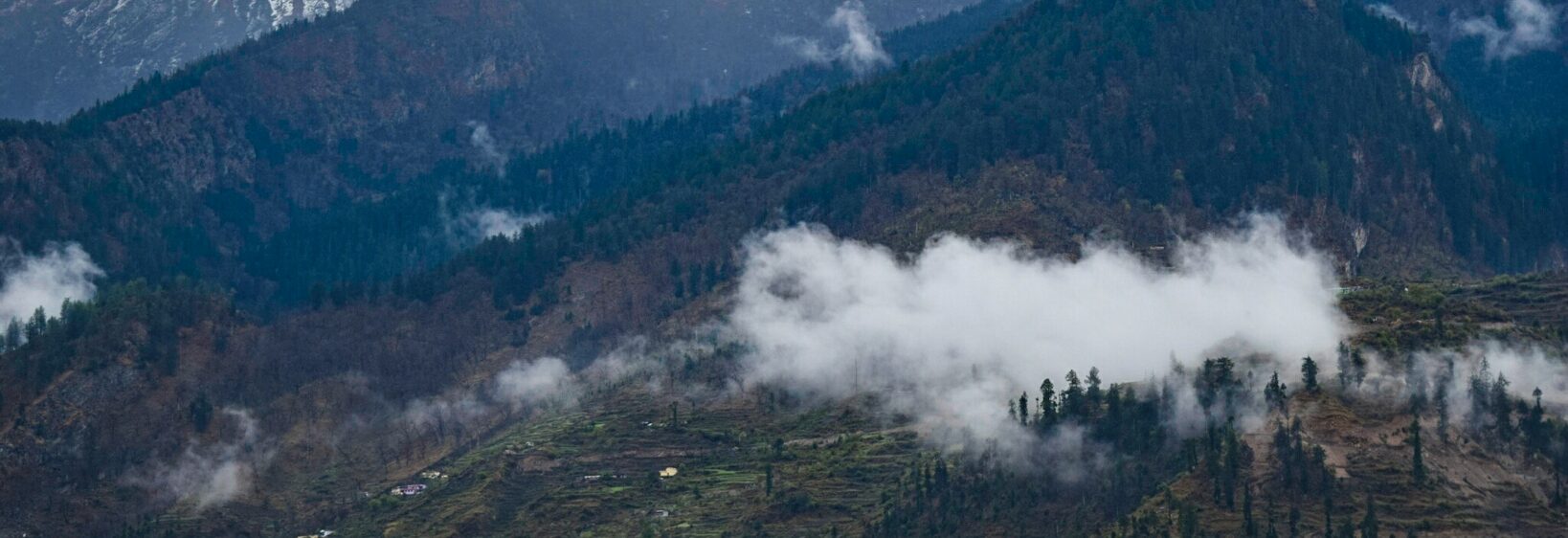
Morning light at Ganges ghats: the best photo timing
Morning light at the Ganges ghats in Rishikesh develops in distinct stages, from cool pre-dawn blue to warm side light and softer reflections. Triveni Ghat, Parmarth Niketan and quieter riverside steps each reveal different layers, making timing as important as location.
The best session starts before sunrise, not when a generic app says the sun rises. At this latitude, blue-hour colour is brief, while official sunrise varies from about 5:15 to 7:05 IST across the year. Check a current local almanac and build the visit around its time.
On quiet weekdays, the ghats feel spacious; festivals, weekends and holiday periods create busier roads and stronger documentary scenes. Bathing, prayer, vendors and boats keep the river active throughout the morning, so the setting never depends solely on empty landscape.
Australian visitors should remember that the seasons run opposite those at home. Christmas and New Year travel falls in Rishikesh’s cool winter, while Australian summer overlaps the monsoon. Photographers familiar with Bondi or Byron Bay will recognise the early-start ritual, but the light, traffic and culture are distinctly Indian.
Find the right dawn window
From October through February, clear winter mornings often provide the cleanest long views. May and June require an early start as heat builds quickly. June to September can bring dramatic cloud, heavy rain and access disruption, so local weather and landslide advice need checking before departure.
Arrive 35–45 minutes before sunrise. That provides time to secure a clear position, handle condensation and watch the river without rushing once colour appears. When cloud hides the mountains, photography field notes can support a texture or silhouette study during the delay.
Work with blue and golden light
Begin with a wide view while the sky is evenly blue and the Ganga remains darker than its surroundings. A single meter reading may lose detail, so check the histogram, stabilise the camera and shoot RAW files. Reflections become strongest when there is little wind.
As the sun rises, side light reveals carved steps, temple details, faces and ripples with increasing warmth. The first 20 minutes are especially useful for low-angle reflections and quiet details. After that, softer light reveals the river’s green-grey colour, distant foothills and activity along the opposite bank.
Choose a ghat and viewpoint
Triveni Ghat offers the broadest river view and easy access to roads, cafés and transport, making it practical for a first visit. Around Parmarth Niketan and Lakshman Jhula, quieter angles can frame the Ganga against the Himalayan foothills. Local access rules and ceremony schedules still need observing.
Walk along nearby side streets before committing to a composition. Look for steps aligned with the river, overhanging trees and clear foreground layers. Keep tripod spots compact and avoid road junctions, bridge approaches and areas needed for boats, rituals or emergency access.
Compare the strongest photo windows
A dependable sequence moves from broad blue-hour landscapes to warm human details and finally to cleaner reflections. Staying for 60–90 minutes gives enough variety without forcing every frame into one narrow type of photograph.
Location context and alternative visual references can be found in the Rishikesh photo journal. Comparing several possible angles beforehand also reduces unnecessary movement between ghats.
| Arrival window | Light and atmosphere | Best subjects | Main consideration |
|---|---|---|---|
| 20–35 minutes before sunrise | Deep blue sky, soft contrast and mirror-like water | Wide river scenes and silhouettes | Very low light requires careful focus and a stable camera |
| Sunrise to 20 minutes after | Warm side light, long shadows and visible texture | Temple details, ritual activity and portraits with consent | Haze or flare can reduce contrast |
| 30–75 minutes after sunrise | Softer colour with increasing street activity | Reflections, boats, ghats and everyday life | Crowds and vendors become more noticeable |
Photograph with ghat etiquette
Ask before photographing individual pilgrims, sadhus, vendors or children. A respectful wide frame often works better than directing someone’s movement. Avoid flash during ceremonies, keep voices low and treat prayer, bathing and offerings as private moments whenever possible.
The current is stronger than it often appears. Use designated bathing areas, follow posted warnings and wear a life jacket where required. Never step into the river simply to improve a reflection or enter water outside supervised zones.
Pack and plan for the ghat
Australian photographers often talk about “chasing the light”, and that description fits this early start well. A small kit is easier to manage while moving between river steps.
- Weather-sealed camera with a versatile wide-to-short zoom
- Spare battery, empty memory card and stabilised support
- Phone for notes, light meter and backup images
- Lens cloth, compact rain cover and sealable camera bag
Allow enough time to finish the wide sequence before moving closer to the water. Scouting two viewpoints prevents a rushed walk along roads that can already be congested.
- Reach the selected ghat before the blue hour begins
- Identify designated river access and ceremony areas
- Keep the camera bag secure near crowded steps
- Leave food packaging and other litter behind
Australian travellers are accustomed to itemised online listings and clear cancellation terms. Rishikesh packages may combine a sunrise visit, transport, rafting or sightseeing, so compare inclusions, guide fees, pickup points and weather policies rather than treating every advertised photography tour as identical.
Connect the river with wider Uttarakhand
A contrasting extension leads toward Joshimath and Nanda Devi National Park, where high-altitude landscapes and Himalayan wildlife create another photographic theme. The Himalayan monal birding experience requires different timing, equipment and altitude preparation.
The river and mountain journeys also demand different planning: Rishikesh centres on accessible ghats, while routes into Nanda Devi may involve long drives, changing weather and trail conditions. That contrast gives the morning both stillness and visual range, making the ghats a strong beginning to a broader Himalayan itinerary.