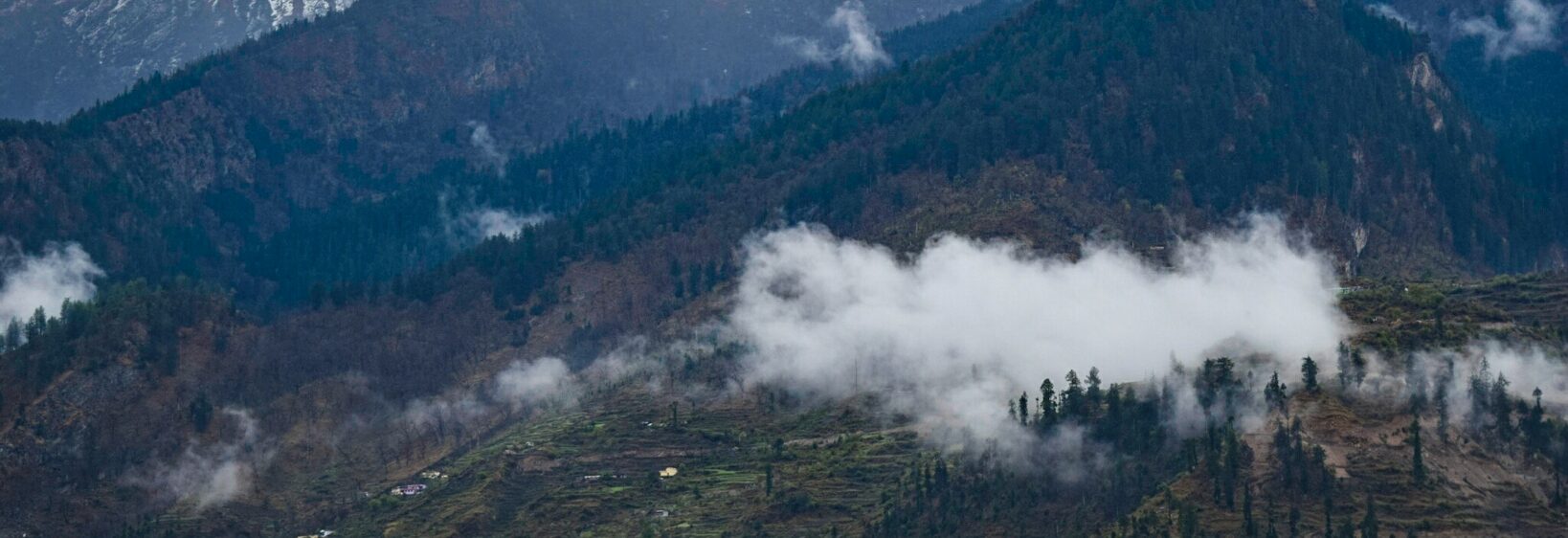
Dharchula at the India–Nepal border
Dharchula sits in Uttarakhand’s Pithoragarh district beside the Mahakali River at the Nepal border. Mountain roads and the checkpoint shape its rhythm, while local residents move between Indian and Nepali communities as part of everyday life.
The Dharchula Markets are more than a place to buy souvenirs. They are meeting points for Kumaoni, Nepali and Tibetan-refugee communities, including the long-established Dharchula Tibetan Colony, with wool, produce, clothing, copperware and household items moving through hands that often span both sides of the border.
Markets shaped by the Mahakali
Trading is strongest on scheduled market days, but access can change with border conditions. Indian spices and fabrics sit beside Nepali food, textiles and everyday goods in narrow lanes, often without a neat separation by country.
| Market feature | Dharchula | Australian counterpart |
|---|---|---|
| Setting | Riverside border bazaar and neighbourhood haats | Weekend markets such as Melbourne’s Queen Victoria Market and Sydney’s Paddy’s Markets |
| Goods | Wool, food, clothing, baskets and metalware | Produce, pantry goods, crafts and flowers |
| Rhythm | Busy market days shaped by local and border schedules | Saturday shopping and farmers’ markets |
| Prices | Often negotiable; confirm before paying | Often fixed, though independent stalls may negotiate |
| Payments | Cash in INR or NPR is safest; cards and UPI vary | EFTPOS and cards are normal; consumer prices include GST |
| Safeguards | Indian and Nepalese import rules apply | ACL enforcement and FSANZ food labelling |
Australian buyers often expect a visible price and receipt; in Dharchula, clarify the amount, currency and material before purchase. Merchants are not obliged to bargain, so a courteous question is usually more productive than haggling.
Crafts that carry place and skill
Textiles are the strongest draw. Look for handwoven woollen bands, blankets, shawls, caps and felted bags, then check whether an item is wool, cotton, a blend or recycled fibre. Basketwork, carved wood and copper or brass vessels reflect household crafts rather than factory-style souvenirs. Provenance matters: “Tibetan” or “Nepali” describes an origin or community, not automatically the maker.
Ask where an item was made, who wove it and what fibre was used. Those details preserve the story behind a purchase and avoid treating village production as anonymous decoration. Collectors of printed labels can apply the same documentary instinct by recording the maker’s mark, fibre content and care label.
Food, language and shared routines
Stalls serve regional meals alongside tea and Nepali snacks such as sel roti. Depending on the season, the spread may include rice, dal, potatoes, greens, pickles and local herbs. Customers often eat standing up, while shopkeepers call out prices, directions or the day’s best arrivals.
Conversation is multilingual. Kumaoni and Nepali are widely heard, with Hindi and Tibetan also in use, so a gesture, translated phrase or notebook can be more useful than assuming everyone shares one language. Traders may switch between currencies, but visitors should establish the rate and denomination before counting out cash.
A cross-border market through Australian eyes
For Australian travellers, the market rhythm will feel familiar. A Saturday at a farmers’ market in Melbourne or Sydney, a browse through Queen Victoria Market or Paddy’s Markets, and checking a stall before buying all have local parallels. Australian consumer prices normally include GST, while Dharchula prices may be quoted in INR or NPR and remain open to discussion.
The legal framework differs. The Australian Competition and Consumer Commission enforces the Australian Consumer Law, including truthful claims and refunds. Packaged food sold in Australia must follow Food Standards Australia New Zealand labelling rules, including allergen information. At Dharchula, ask about ingredients and fibres rather than assuming a “wool” or “herbal” label carries the same regulatory meaning.
Australian Merino’s global reputation adds another layer: “merino” does not guarantee Australian origin. Ask for fibre composition and country of manufacture, just as careful buyers check the maker and material of a handmade rug.
Border rules and respectful photography
Crossing into Nepal requires separate planning. Indian citizens commonly use an accepted passport or government-issued identity document for permitted visits, while foreign visitors normally need a passport and an appropriate Nepal visa or short-stay facility. Rules and permitted crossing points can change, so check official immigration and customs notices for both countries before travel.
Do not treat border officers, security areas or documents as photo props. Ask before photographing people, and avoid drone use near checkpoints or aviation-controlled areas. Keep receipts and declare wildlife products or unprocessed plant material. Money exchangers should provide a rate and receipt; an Australian bank card is no guarantee of acceptance in a small lane-side stall.
The wider Himalayan landscape offers a useful change of pace from the busy crossing. The Jageshwar Dham gallery presents another side of Uttarakhand, where forest paths and ancient temples replace market traffic.
Supporting local makers and slow travel
Travelling slowly rewards the market. Visit outside peak trading hours to see weaving tools and quieter lanes, then return when the bazaar is lively. Choose a locally run guesthouse, guide or driver where possible, and ask before using a craft image in a commercial project. At around 1,800 metres, Dharchula calls for warm layers, while monsoon rain can disrupt mountain roads.
Small purchases create direct value when buyers select unfinished, repairable and locally made objects rather than disposable decorations. Carry a reusable bag, keep local names and stories with purchased work, and respect communities whose daily life sits beside an international boundary. For more visual routes through Uttarakhand, UK Photos Gallery brings together temples, landscapes and travel scenes.
In Dharchula, the market is most rewarding when approached as a living neighbourhood rather than a border spectacle.