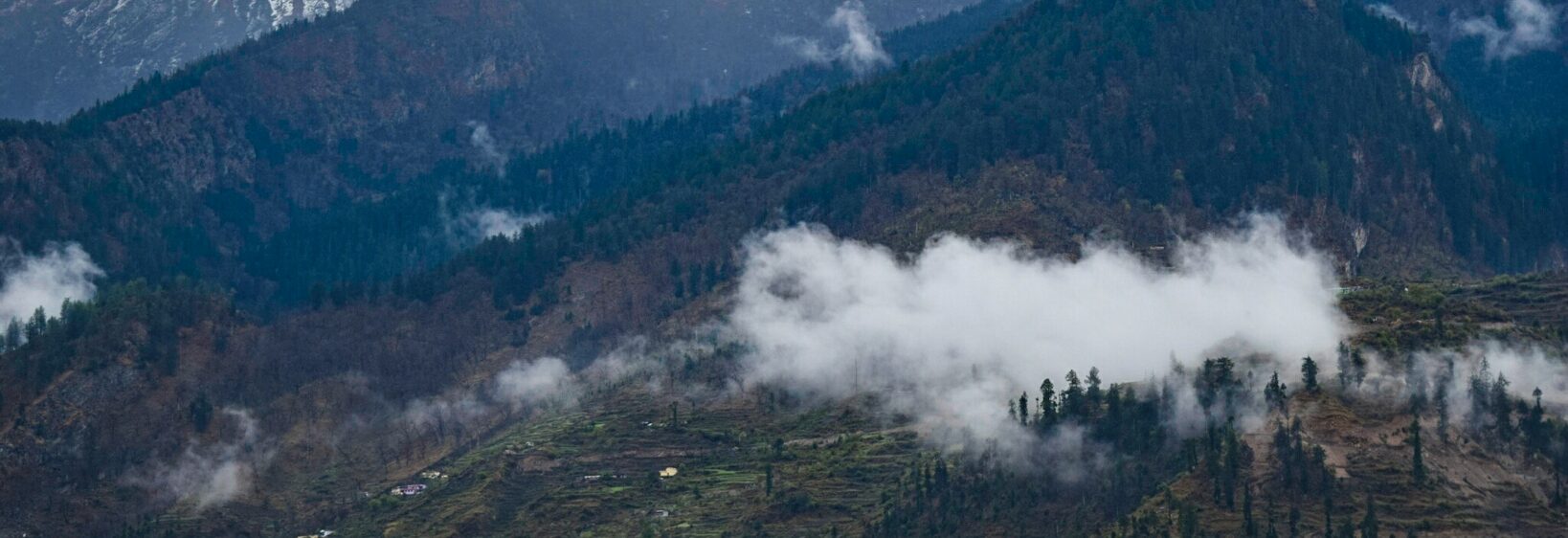
Kanatal village: Apple farming and a quiet mountain retreat
Kanatal Village lies on Uttarakhand’s wooded hillsides between Mussoorie and Deoria Tal. Its apple orchards are surrounded by pine forests, small farms and mountain settlements. Around 20 kilometres from Mussoorie, it offers travellers a quieter base for hiking, photography and experiencing rural life in the Himalayan foothills.
Australian visitors may associate orchard scenery with the Huon Valley in Tasmania or the apple-growing districts around Adelaide. Kanatal offers something different: an intimate village landscape where farming, mountain weather and local traditions shape daily life. The roads are narrower, the elevations higher and the orchards spread across slopes rather than broad, neatly paved rows.
Spring brings flowering trees and clear views, while the main apple harvest usually falls between April and June, depending on variety and elevation. September to November is another pleasant period, with crisp air and colourful mountain vegetation. This makes Kanatal suitable for both an orchard-focused trip and a relaxed retreat away from busier hill stations.
Quiet does not mean fully remote. Kanatal has guesthouses, homestays, cafés and places to stay, but services are fewer than in Mussoorie. Mobile reception can be unreliable in valleys, and public transport is limited. Travellers who value walking, simple food and time outdoors may find this modest setting rewarding.
Apple orchards and the mountain harvest
Kanatal belongs to the wider apple-growing belt around Mussoorie. Orchards produce several varieties, with fruit often protected by paper or fabric bags while it develops. The practice protects apples from insects, bruising and sudden mountain weather, giving the trees a distinctive patchwork appearance during the growing season.
Harvesting is concentrated in a relatively short window from April into June. Farmers pick, grade and pack the crop quickly, while roadside sellers sometimes offer fresh fruit, preserves and apple-based products. The active season offers a chance to see orchard work at close range, although visitors should remain where the growers permit and ask before photographing people at work.
For Australians familiar with orchard sheds around Orange, New South Wales, or the cooler fields of Tasmania, the process has a familiar rhythm. Kanatal’s farms operate under very different conditions, however, with steep terrain, frost and mountain fog influencing each season. Staying beyond the busiest harvest weeks can reveal a quieter side of village life.
Village life beyond the orchards
A day here can involve a walk through lanes bordered by fields, a stop at a small tea shop and a meal at a family-run eatery. Across the surrounding Tehri Garhwal region, Garhwali and Hindi are widely used, while English is common among people working in tourism. Signs may be bilingual, but conversation often becomes more animated when visitors show interest in farming and local food.
Australians often use “arvo” for an unhurried afternoon, a word that suits Kanatal’s pace. Many domestic travellers also plan around long weekends, treating a scenic drive as part of the holiday itself. Kanatal rewards that same road-trip mindset, particularly if a stay includes a walk, a farm visit and an evening with views across the valley.
The village is also a practical base for nearby markets and short excursions. Mussoorie provides more restaurants and supplies, while Deoria Tal and surrounding villages offer a closer look at the landscape. Staying locally rather than making a day trip from Mussoorie allows guests to see how light, weather and harvest schedules affect village routines.
Forest paths and nearby sightseeing
Deoria Tal is the best-known hiking destination near Kanatal. Trail routes pass through pine and broadleaf forest before reaching the ridgeline, where clear mornings can reveal Nanda Devi, Chaukhamba and Swargarohini. The lake and meadow are popular picnic and photography locations, but walkers should carry water and prepare for a cool breeze even during warm months.
For a shorter cultural outing, the Mukteshwar temple carvings pair historic timber sculpture with hilltop views near Mussoorie. Such detours show how temples function as part of the landscape rather than isolated monuments, offering visitors a useful contrast to Kanatal’s orchards and forest paths.
Choosing a stay and reaching Kanatal
Homestays and family guesthies provide the closest experience of village life, while larger hotels and adventure camps suit travellers wanting more structured activities. Ask whether rooms include heating, hot water and reliable electricity, especially between November and February. Some properties also arrange packed meals, taxis or guides for Deoria Tal.
Kanatal is roughly 20 to 25 kilometres from Mussoorie, with the journey taking around an hour in favourable conditions. Private taxis offer the easiest transfer, while local buses can be infrequent and may not follow a fixed timetable. Travellers arriving from Dehradun should allow several hours and check road conditions before departure.
Australia and India both drive on the left and use kilometres per hour, but road behaviour differs significantly. Australian road-trip habits need adjusting around mixed traffic, sudden stops and mountain vehicles. Slow speeds, patient overtaking and avoiding night driving are more important than the familiarity of the distance signs.
Seasons, preparation and village etiquette
March to May combines comfortable temperatures with spring blossoms and the beginning of the harvest. September and November often provide the clearest mountain views. The monsoon from June to September can bring heavy rain, landslides and disrupted transport, while winter mornings may be cold enough for frost or snow on higher routes.
Layers, waterproof shoes, sun protection and a power bank cover most conditions. Offline maps, some cash and a locally activated SIM are useful when shops become busy or mobile coverage weakens, a familiar issue for travellers crossing rural Australia as well. Photography should respect private homes, working farmers and religious customs, and drones require the appropriate permissions.
Kanatal’s appeal comes from this balance of working landscape and unhurried mountain life. The orchards reveal a close connection to seasonal agriculture, while the forest paths, local stays and nearby temples give visitors time to experience the wider Himalayan foothills at a gentler pace.