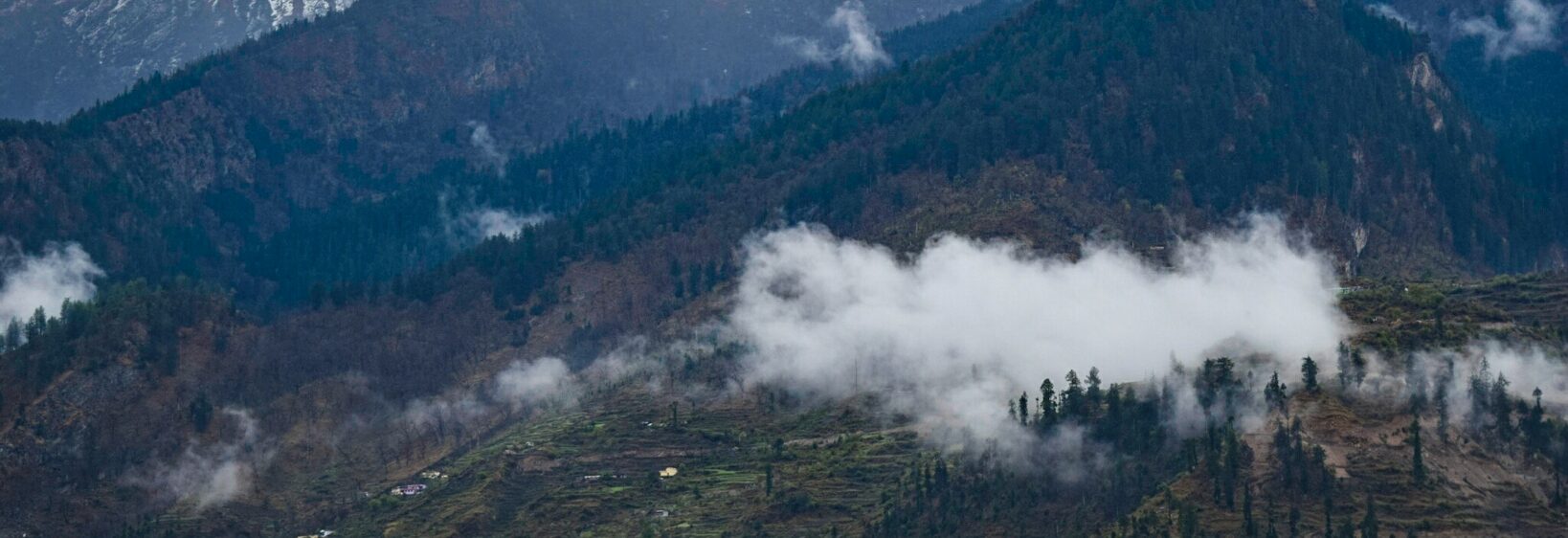
Photographing Pahadi cuisine in the Himalayan foothills
Photographing the Pahadi cuisine of slow-cooked buckwheat and local brews is less about creating a perfect menu shot than recording food shaped by altitude, weather and household custom. In Uttarakhand, grinding grain, tending a fire and waiting for moisture to transform flour into a tender texture can matter as much as the final recipe. The camera can preserve that patience instead of hiding it.
Distinctive visual cues include charred edges, steam against mountain light, brass vessels and glasses marked by use. The strongest frames often come from people, gestures and shared plates rather than arranged props. Australian food photographers can adapt this approach in Sydney’s busy markets or Melbourne’s intimate laneway cafés, where ingredients, diners and daylight each create a different rhythm.
Buckwheat at altitude
Buckwheat is known by names such as gahat and kuttu in different parts of the Himalayan region, with terminology shifting across valleys and languages. Dishes include gahat paratha, sweet rabri and bhatt ki churkani, a dark soybean curry served with buckwheat cakes. A shared subject can therefore reveal geography, while also warning a photographer not to treat regional names as interchangeable.
Slow cooking creates a useful sequence of visual cues: flour dusting the worktop, water clouds the pan, steam softening the light and a dark crust forming at the edge. Photograph the stages rather than treating the finished plate as the only destination. Details of the cookware and hand marks preserve the labour behind the meal.
At altitude, daylight can shift quickly from blue to hard white as cloud passes. Work beside a window or doorway and use a pale cloth as a simple reflector. Keep the camera low beside the pan to include both steam and hands, leaving the surrounding valley softly out of focus.
Building a visual narrative
A useful visual narrative moves from raw ingredients to the cooking vessel, then to the shared table. Wide frames establish texture and setting; close-ups show bubbles in rabri, the pull of a paratha and grains caught in a spoonful. This approach gives a food photograph the rhythm of a real meal.
Style food sparingly and work with what the cook has made. A slightly imperfect stack, a thumbprint in the dough or a splash of ghee can tell more than polished symmetry. Ask before moving plates or adjusting clothing, and keep the cook’s name and the dish’s local name in the notes.
The wider UK Photos Gallery collection offers a useful sense of how landscape, architecture and lived tradition can frame a subject. For a buckwheat story, pair one close food detail with a respectful wide view of the kitchen or market, allowing context to support the dish rather than become a separate postcard.
Photographing local brews
Local alcohol also carries regional vocabulary. Ara is commonly a grain-based distilled spirit, while names such as chang can describe fermented drinks in Himalayan communities; recipes, ingredients and legal status differ. At festivals, a brass pourer or copper vessel may be as photogenic as the drink itself, especially beside food and the hands of the server.
For a bottle or serving glass, side-light the liquid and catch condensation without making every label readable if privacy is an issue. Photograph the ritual of pouring and sharing, not just a full glass. A meter or tripod can help when low light requires a slower shutter, while a small reflector keeps faces separated from the background.
In Australia, the legal drinking age is 18, and licensed venues operate under state and territory rules. Home-brewing permissions and restrictions on distilled spirits also vary by state and local council, so a home setup should not be assumed to match an Australian legal framework. Respect dry-area rules in India and avoid encouraging unsafe drinking or driving.
Markets, light and Australian parallels
At an Australian farmers’ market, a stallholder arranging noodles or jars of flour can provide an accessible way to practise close-up food photography. Weekend market shopping is a familiar habit in Sydney and Melbourne, and Asian grocery shops commonly stock buckwheat flour for pancakes, noodles and gluten-free cooking. Local ingredients make the technique portable.
Mountain markets can be visually dense, so move between wide establishing frames and quiet details of hands, baskets and labels. Keep the horizon level when architecture enters the image, and wait for a customer’s gesture to clear the background. Editing can balance a dim kitchen against a bright exterior, but restrained corrections preserve the meal’s natural colour.
Heritage photography benefits from looking beyond the landmark itself. A close study of Alcatraz’s abandoned prison becomes a story about work, confinement and daily life, not merely an architectural relic. The same principle applies to food: show the miller, trader, cook and eater so the dish remains connected to the community that sustains it.
Respect, context and lasting records
The most responsible images acknowledge the person who cooked the meal. Obtain consent for intimate portraits, avoid turning poverty or intoxication into spectacle, and explain recipes and alcohol with the same accuracy used for ingredients. Attribution and a plain-language caption can carry the cultural context that the frame cannot.
A related visual story, Phool Devi temple guide, shows how a carved figure can hold a folk tale in stone. Food photographs gain similar depth when they connect a recipe with a ritual, seasonal custom or family memory. That context should be verified with local residents rather than inferred from appearance.
A compact field kit supports changing mountain conditions: a weather-sealed camera, a small tripod, spare batteries and a neutral cloth. Cold mornings and sudden rain make backups essential, while a lens cloth protects equipment from drizzle and dust. The resulting photographs can document buckwheat, grain, brew and shared tables with clarity while leaving room for the people and place behind them.